EXAMPLE GAME · PLAY TO SEE YOURS
How long a tune you can hold
Your tone span is the longest melody you repeated correctly. Each bar is one attempt: filled when you got it, outlined when you slipped.
TONE SPAN6Right in the typical range of about 5 to 7 tones.
3
4
5
6
6
7
first attemptnotes in the tunelast attempt
SOUND LAB
What makes a tune easy to remember
Two things matter most: how different the notes sound, and whether the sequence falls into groups. Try both.
Clear: about the spacing of the pads in this game.
WHAT THIS GAME TRAINS
Holding a sequence of sounds
Auditory sequence memory is how you keep a string of sounds in order long enough to repeat it, the same system you use for a melody, a spoken number or an unfamiliar word.
corestrongsomelight
coreAuditory short-term memoryHolding a run of tones after they've finished.
coreSequencingKeeping the notes in the right order.
strongPitch discriminationTelling close notes apart.
someRehearsalHumming the tune in your head while you wait.
THE SAME SKILL, ELSEWHERE
Three places this skill turns up
Each one leans on a different part of what the game trains.
INSIDE YOUR BRAIN
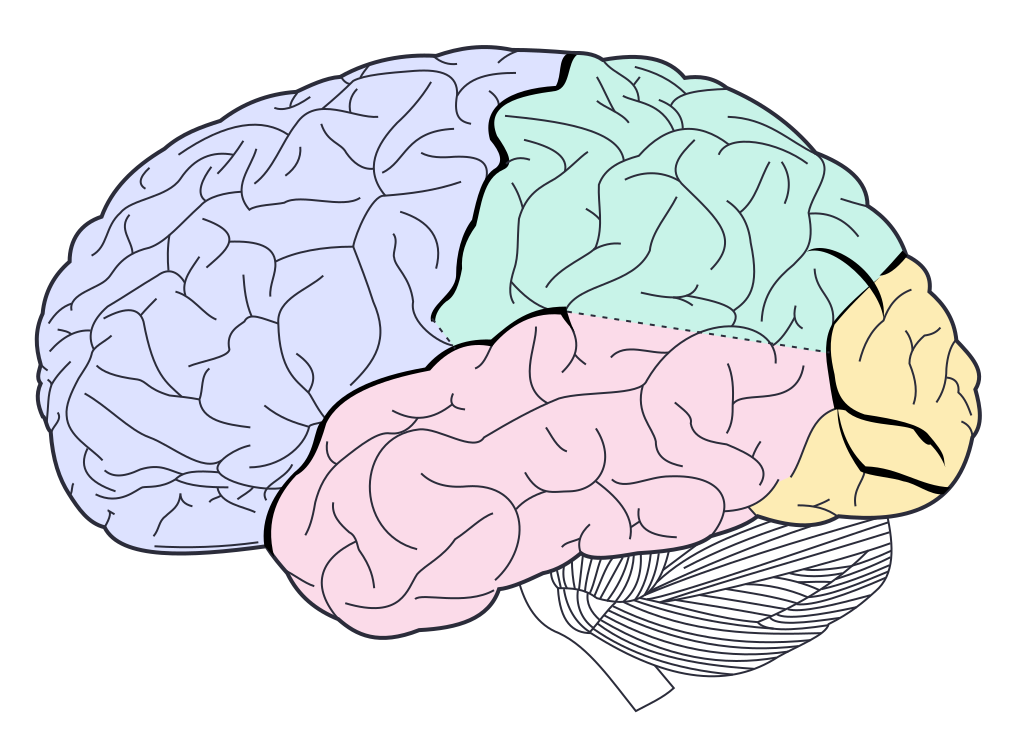
The brain areas doing the work
Step through each area, or tap one below. The matching marker grows on the brain; dashed markers sit deep inside.
1
Based on Gray's Anatomy, fig. 728 (public domain)
AREA 1 OF 4
1Temporal lobe
Handles sound, language and recognising objects and faces. Its inner part links to the hippocampus to store new memories.ALL AREAS
WHERE TO GO FROM HERE
All memory games →Try a sequence with your eyes
Sound and sight are stored partly separately. Compare your tone span with your spans for positions and digits.