EXAMPLE SEARCH · PLAY TO SEE YOURS
How you searched, not just how fast
The line joins your crosses in the order you made them. Clinicians look at this: a tidy, row-by-row path suggests an organised strategy, while a path that jumps around tends to miss more targets.
Search organisation86%Mostly row by row, like reading: the most reliable way to catch every target.
4 / 5found on the left half
5 / 6found on the right half
foundmissedstart and end
IN THE CLINIC
A test that can reveal half the world going missing
After some strokes, usually on the brain's right side, people stop noticing one side of space. It's called hemispatial neglect. They aren't blind there; their attention just doesn't go there. On a cancellation sheet the pattern is unmistakable.
LE
RFLPTE
BBRFZE
ZRTBRLBPFBRLKBRE
E
TZRRRPTE
KZKTFPRTZELFRLBZFE
TKKFE
E
KBFRE
BKE
FFFRE
RPTPFFEPE
RLLFTZRZRKL
6 / 8found on the left
7 / 7found on the right
WHAT THIS GAME TRAINS
Careful, organised scanning
Cancellation tests measure both speed and strategy. Fast players who search systematically find more targets with fewer mistakes than fast players who jump around.
corestrongsomelight
coreVisual scanningSweeping through rows of letters without skipping any.
coreSelective attentionTelling target letters apart from lookalikes.
strongProcessing speedChecking each letter quickly.
strongPlanning and strategyChoosing an organised search path.
OUTSIDE THE GAME
Where you'll notice it in everyday life
INSIDE YOUR BRAIN
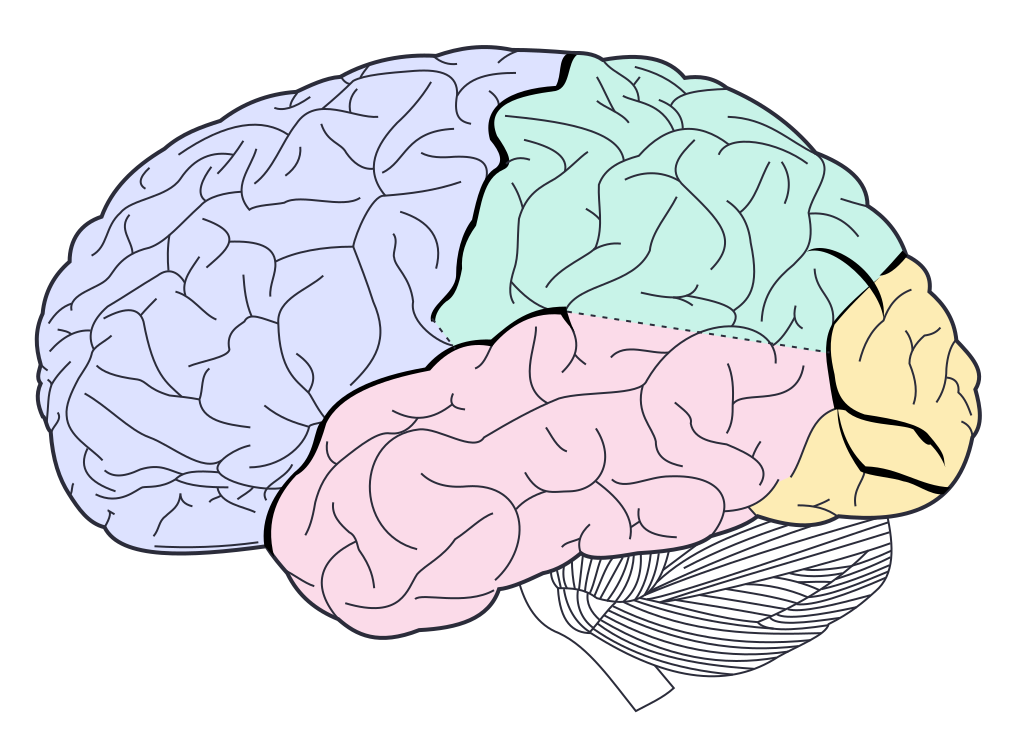
The brain areas doing the work
Step through each area, or tap one below. The matching marker grows on the brain; dashed markers sit deep inside.
1
Based on Gray's Anatomy, fig. 728 (public domain)
AREA 1 OF 3
1Parietal lobe
Combines what you see, hear and touch into a map of where things are. It also handles numbers and directing your attention through space.ALL AREAS
WHERE TO GO FROM HERE
All attention games →From paper to the clinic's modern versions
1895Bourdon testHISTORYThe original: cross out target letters on a printed page.