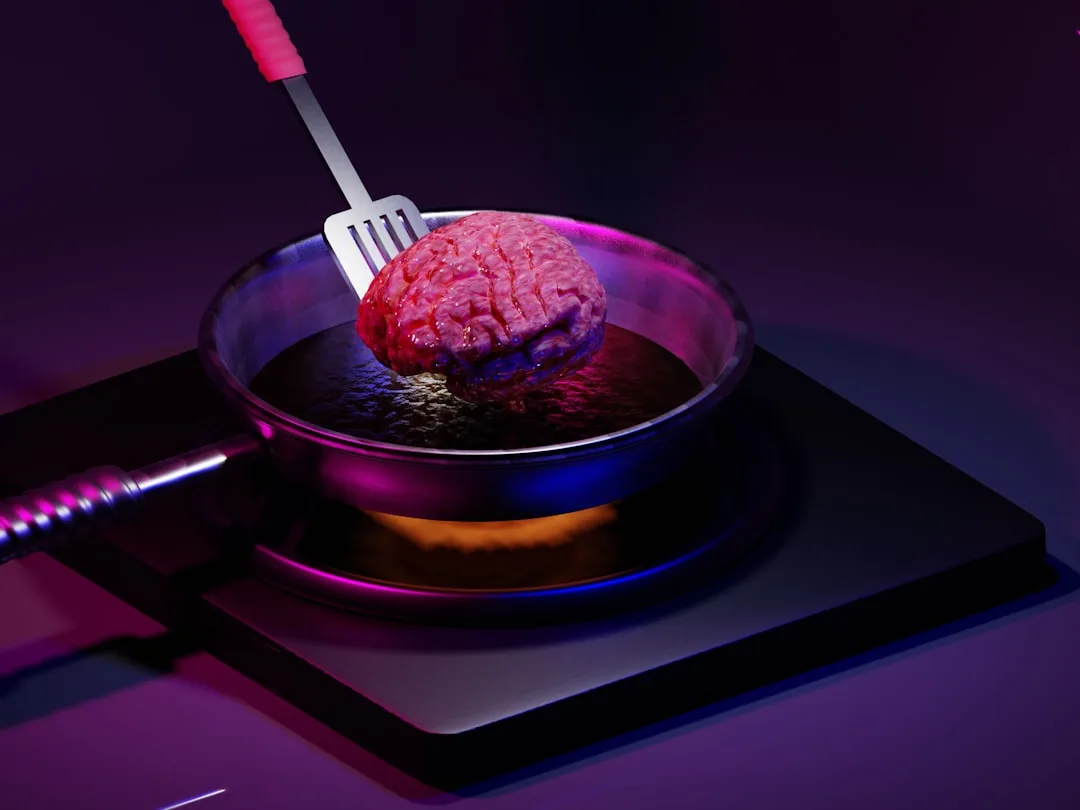
Introduction: Why What You Eat Shapes How You Think
The human brain accounts for roughly 2% of body weight yet consumes approximately 20% of the body's total energy. Every thought you form, every memory you retrieve, and every decision you make depends on a constant supply of glucose, fatty acids, amino acids, vitamins, and minerals delivered through the foods you eat.
The field of nutritional neuroscience has exploded over the past two decades, producing rigorous evidence that specific dietary patterns can measurably improve - or impair - cognitive function.
This is not a vague claim. A landmark 2015 study published in Alzheimer's & Dementia found that strict adherence to the MIND diet (Mediterranean-DASH Intervention for Neurodegenerative Delay) slowed cognitive decline by the equivalent of 7.5 years of aging (Morris et al., 2015). Meanwhile, the Framingham Heart Study demonstrated that participants with the lowest DHA levels had a 47% increased risk of developing dementia over a nine-year follow-up (Schaefer et al., 2006).
"The brain is the most metabolically active organ in the body. It stands to reason that what we feed it matters enormously for how it performs."
- Dr. Lisa Mosconi, neuroscientist and author of Brain Food
Whether you are preparing for a cognitive assessment like our full IQ test or simply want sharper everyday thinking, understanding the science behind brain nutrition gives you a concrete, modifiable lever for improving mental performance.
The Neuroscience of Brain Nutrition
How the Brain Uses Fuel
Unlike muscles, which can burn fat or glycogen, neurons rely almost exclusively on glucose as their primary fuel. The brain processes roughly 120 grams of glucose per day - about 5 grams per hour during rest and considerably more during intense cognitive work. When blood glucose drops too low or spikes too sharply, cognitive performance suffers: reaction times lengthen, working memory falters, and attention drifts.
But glucose is only the starting point. The brain also requires:
- Fatty acids (especially DHA) to maintain the structural integrity of neuronal membranes
- Amino acids (tryptophan, tyrosine, choline) as precursors for neurotransmitters
- B vitamins for methylation reactions critical to neurotransmitter synthesis
- Antioxidants to neutralize reactive oxygen species generated by high metabolic activity
- Minerals (iron, zinc, magnesium) that serve as cofactors for hundreds of enzymatic reactions
"You literally are what you eat - your brain is built from the molecules in your food."
- Dr. Fernando Gomez-Pinilla, UCLA neuroscience professor
The Blood-Brain Barrier and Nutrient Access
Not every nutrient in your bloodstream reaches the brain. The blood-brain barrier (BBB) is a highly selective membrane that controls which molecules enter neural tissue. This selectivity means that nutrient form matters as much as quantity. For example, the omega-3 fatty acid DHA crosses the BBB efficiently via a specific transport protein (Mfsd2a), while many synthetic compounds cannot cross at all. Whole foods tend to deliver nutrients in bioavailable forms that the BBB recognizes.
Top 15 Brain Foods: A Nutrient-by-Nutrient Breakdown
Tier 1: The Omega-3 Powerhouses
Fatty Fish (Salmon, Mackerel, Sardines, Herring)
Fatty fish are the single richest dietary source of EPA and DHA, the two omega-3 fatty acids most critical for brain health. DHA makes up approximately 40% of the polyunsaturated fatty acids in the brain and is concentrated in synaptic membranes where neurotransmission occurs.
Key research findings:
- A 2012 meta-analysis in Neurology found that higher fish consumption was associated with a 36% lower risk of Alzheimer's disease (Zhang et al., 2012).
- The MIDAS trial (2010) showed that 900 mg/day of DHA supplementation for 24 weeks improved episodic memory in older adults with age-related cognitive decline (Yurko-Mauro et al., 2010).
- A 2017 study in PLOS ONE found that individuals eating fish twice per week scored significantly higher on tests of working memory and processing speed.
| Fish Type | DHA per 100g | EPA per 100g | Mercury Risk |
|---|---|---|---|
| Atlantic Salmon | 1,460 mg | 590 mg | Low |
| Atlantic Mackerel | 1,400 mg | 900 mg | Low-Moderate |
| Sardines | 740 mg | 470 mg | Very Low |
| Herring | 1,100 mg | 710 mg | Low |
| Albacore Tuna | 630 mg | 230 mg | Moderate |
"If I could recommend just one dietary change for brain health, it would be to eat fatty fish at least twice a week."
- Dr. Rhonda Patrick, biomedical scientist and founder of FoundMyFitness
Walnuts
Among all tree nuts, walnuts contain the highest concentration of alpha-linolenic acid (ALA), a plant-based omega-3. A 2020 study in Nutrients found that walnut consumption (30-60 g/day) was associated with improved cognitive test scores in adults over 60. Walnuts also provide polyphenols, melatonin, and vitamin E.
Tier 2: The Flavonoid and Antioxidant Champions
Blueberries
Blueberries are often called the quintessential "brain berry" for good reason. They are exceptionally rich in anthocyanins, a class of flavonoids that cross the blood-brain barrier and accumulate in brain regions associated with learning and memory (the hippocampus and prefrontal cortex).
- The Nurses' Health Study, tracking over 16,000 women, found that higher blueberry intake was associated with delays in cognitive aging by up to 2.5 years (Devore et al., 2012).
- A 2017 randomized controlled trial in European Journal of Nutrition showed that a single serving of blueberry juice improved working memory and attention in children aged 7-10.
Dark Chocolate (70%+ Cacao)
Cacao is one of the most concentrated food sources of flavanols, which increase cerebral blood flow and stimulate the production of brain-derived neurotrophic factor (BDNF). A 2020 study in Scientific Reports found that consuming high-flavanol cocoa for 8 weeks improved processing speed on cognitive tests by 14%.
Other Berries and Deeply Colored Fruits
Strawberries, blackberries, acai berries, and pomegranates all provide distinct antioxidant profiles. The key principle is color diversity - different pigments represent different polyphenol families, each with unique neuroprotective mechanisms.
| Food | Key Flavonoid | Primary Brain Benefit | Recommended Intake |
|---|---|---|---|
| Blueberries | Anthocyanins | Memory, learning | 1/2 cup daily |
| Dark Chocolate (70%+) | Flavanols | Blood flow, BDNF | 20-30 g daily |
| Strawberries | Pelargonidin | Anti-inflammatory | 1/2 cup daily |
| Green Tea | EGCG (catechin) | Alertness, neuroprotection | 2-3 cups daily |
| Turmeric | Curcumin | Anti-inflammatory | 1-2 tsp daily |
Tier 3: The Structural Building Blocks
Eggs
Eggs are one of the best dietary sources of choline, a nutrient essential for synthesizing acetylcholine - the neurotransmitter most closely associated with memory and learning. One large egg provides roughly 147 mg of choline (about 27% of the daily adequate intake). A 2011 study in the American Journal of Clinical Nutrition found that higher choline intake was associated with better verbal and visual memory performance.
Leafy Greens (Spinach, Kale, Collard Greens)
The Rush Memory and Aging Project found that individuals consuming approximately 1 serving per day of leafy greens had cognitive abilities equivalent to someone 11 years younger compared to those who rarely ate them (Morris et al., 2018). These greens provide folate, vitamin K, beta-carotene, and lutein - all linked to slower cognitive decline.
Whole Grains (Oats, Quinoa, Brown Rice)
Whole grains provide a slow, sustained release of glucose to the brain, avoiding the spikes and crashes associated with refined carbohydrates. They also supply B vitamins and fiber that support gut-brain axis communication.
Tier 4: Supporting Players
Extra Virgin Olive Oil
The cornerstone fat of the Mediterranean diet, extra virgin olive oil is rich in oleocanthal, a compound with anti-inflammatory properties comparable to ibuprofen. The PREDIMED trial (2015) found that participants following a Mediterranean diet supplemented with extra virgin olive oil showed significantly better cognitive function after 6.5 years compared to controls.
Fermented Foods (Yogurt, Kefir, Kimchi, Sauerkraut)
Emerging research on the gut-brain axis suggests that the gut microbiome influences cognitive function through the vagus nerve, immune signaling, and neurotransmitter production. A 2019 study in Nature Reviews Neuroscience described how short-chain fatty acids produced by gut bacteria support the blood-brain barrier's integrity. Fermented foods provide diverse probiotic strains that support this connection.
Coffee and Green Tea
Caffeine blocks adenosine receptors, temporarily increasing alertness and concentration. Beyond caffeine, coffee contains chlorogenic acids and green tea provides L-theanine, an amino acid that promotes alpha brain wave activity - associated with calm, focused attention. The combination of caffeine and L-theanine in green tea has been shown to improve attention and task-switching more effectively than caffeine alone (Haskell et al., 2008).
The MIND Diet: A Research-Backed Framework
The MIND diet, developed by Dr. Martha Clare Morris at Rush University Medical Center, combines elements of the Mediterranean and DASH diets but specifically targets brain health. It is the only dietary pattern specifically designed and tested for neuroprotection.
MIND Diet Daily and Weekly Targets
| Food Group | Target Frequency | Serving Size |
|---|---|---|
| Leafy greens | 6+ servings/week | 1 cup raw or 1/2 cup cooked |
| Other vegetables | 1+ serving/day | 1 cup raw or 1/2 cup cooked |
| Berries | 2+ servings/week | 1/2 cup |
| Nuts | 5+ servings/week | 1 oz (small handful) |
| Whole grains | 3+ servings/day | 1 slice or 1/2 cup cooked |
| Fish | 1+ serving/week | 3-4 oz |
| Poultry | 2+ servings/week | 3-4 oz |
| Beans | 3+ servings/week | 1/2 cup cooked |
| Olive oil | Primary cooking fat | - |
| Wine | 1 glass/day (optional) | 5 oz |
Foods the MIND Diet Limits
| Food to Limit | Maximum Frequency |
|---|---|
| Red meat | Fewer than 4 servings/week |
| Butter/margarine | Less than 1 tbsp/day |
| Cheese | Less than 1 serving/week |
| Pastries and sweets | Fewer than 5/week |
| Fried/fast food | Less than 1 serving/week |
The critical finding: even moderate adherence to the MIND diet was associated with a 35% lower risk of Alzheimer's disease, while high adherence was associated with a 53% lower risk (Morris et al., 2015).
How Specific Nutrients Influence Cognitive Test Performance
Omega-3s and Fluid Intelligence
Fluid intelligence - the ability to reason through novel problems, a core component of IQ tests - is particularly sensitive to omega-3 status. A 2013 study in Neuroscience found that higher blood DHA levels predicted better performance on tasks measuring abstract reasoning and cognitive flexibility in healthy adults. These are precisely the abilities tested when you take an IQ test.
B Vitamins and Processing Speed
The VITACOG trial (Oxford University, 2010) demonstrated that high-dose B vitamin supplementation (B6, B12, folate) slowed brain atrophy by 30% in older adults with elevated homocysteine levels. Those with adequate B vitamin status showed faster processing speeds and better episodic memory.
| B Vitamin | Key Brain Role | Top Food Sources | RDA (Adults) |
|---|---|---|---|
| B1 (Thiamine) | Glucose metabolism | Whole grains, pork | 1.1-1.2 mg |
| B6 (Pyridoxine) | Neurotransmitter synthesis | Poultry, fish, potatoes | 1.3-1.7 mg |
| B9 (Folate) | DNA repair, methylation | Leafy greens, legumes | 400 mcg |
| B12 (Cobalamin) | Myelin formation | Fish, eggs, dairy | 2.4 mcg |
Iron, Zinc, and Cognitive Development
Iron deficiency remains the most common nutritional deficiency worldwide and is particularly damaging to cognition. A 2014 meta-analysis in The Lancet found that iron supplementation in iron-deficient individuals improved attention scores by 0.48 standard deviations - a meaningful effect size. Zinc, meanwhile, is concentrated in the hippocampus and modulates glutamate signaling critical for learning.
Hydration and Cognitive Performance
Water is arguably the most underestimated brain nutrient. The brain is approximately 75% water, and even mild dehydration (1-2% body weight loss) impairs cognitive performance.
A 2012 study in the Journal of Nutrition found that women who were mildly dehydrated experienced:
- 13% decrease in alertness
- Increased perception of task difficulty
- Impaired concentration and working memory
- Increased headache frequency
Practical hydration targets:
- Women: approximately 2.7 liters total water per day (from food + beverages)
- Men: approximately 3.7 liters total water per day
- During cognitive testing or demanding mental work: sip water consistently rather than drinking large amounts at once
Common Myths About Brain Food
Myth 1: Supplements Can Replace Whole Foods
While targeted supplementation can address diagnosed deficiencies, supplements lack the synergistic nutrient interactions found in whole foods. For example, the vitamin E in almonds is accompanied by fiber, magnesium, and healthy fats that enhance its absorption and function. A 2019 meta-analysis in Annals of Internal Medicine found that most supplements provided no cognitive benefit in well-nourished populations.
Myth 2: Sugar Is Good Brain Fuel
Although the brain runs on glucose, refined sugar causes rapid blood sugar spikes followed by crashes that impair concentration. A 2017 study in Scientific Reports analyzing data from 23,245 participants found that high sugar intake was associated with greater rates of depression and poorer cognitive outcomes. Complex carbohydrates from whole grains provide steady glucose delivery without the crash.
Myth 3: Caffeine Boosts Intelligence
Caffeine temporarily increases alertness by blocking adenosine receptors but does not enhance actual cognitive capacity. Chronic overconsumption leads to tolerance, dependence, and withdrawal-related cognitive impairment. The optimal dose for cognitive performance is approximately 100-200 mg (1-2 cups of coffee), consumed before 2:00 PM to avoid sleep disruption.
"There is no superfood for the brain. It is the overall dietary pattern that matters most."
- Dr. Martha Clare Morris, creator of the MIND diet
A Practical Brain Food Meal Plan
Sample Brain-Boosting Day
Breakfast: Oatmeal topped with blueberries, walnuts, and a drizzle of honey; two scrambled eggs; green tea
Mid-morning snack: A handful of mixed nuts (walnuts, almonds) and dark chocolate (70%+)
Lunch: Grilled salmon salad with spinach, kale, avocado, olive oil dressing, and quinoa
Afternoon snack: Greek yogurt with strawberries; a cup of water with lemon
Dinner: Grilled chicken with roasted broccoli, sweet potato, and a side of sauerkraut; extra virgin olive oil for cooking
Evening: Herbal tea (chamomile) - avoid caffeine after 2:00 PM
Quick Implementation Tips
- Start with one change per week - swap a processed snack for a handful of walnuts or berries
- Batch-cook brain foods on Sunday: bake salmon fillets, wash and prep leafy greens, portion nuts
- Keep a hydration tracker - most people underestimate how little water they drink
- Eat the rainbow - color diversity in fruits and vegetables correlates with antioxidant diversity
- Time your eating - avoid heavy meals before cognitive tasks; a light, nutrient-dense meal is better before taking a practice IQ test
Diet, Brain Health, and IQ Testing
IQ tests measure cognitive abilities including working memory, processing speed, abstract reasoning, and verbal comprehension. While genetics and education are dominant factors, nutrition represents a modifiable variable that can optimize brain function during testing.
Consider these practical implications:
- Before a test: Eat a balanced meal 2-3 hours prior that combines complex carbohydrates, protein, and healthy fats. Avoid sugar-heavy foods that cause energy crashes.
- Hydration matters: Drink water before and during the test. Even 1% dehydration can measurably impair focus.
- Long-term preparation: Weeks of improved nutrition prime the brain by building better neuronal membranes, optimizing neurotransmitter levels, and reducing neuroinflammation.
To measure how your cognitive function responds to dietary changes, consider taking our full IQ test as a baseline, implementing MIND diet principles for 8-12 weeks, and then retesting with a quick IQ assessment to track changes.
Conclusion: Feed Your Brain Like It Matters - Because It Does
The evidence is clear: what you eat profoundly shapes how you think. From the omega-3 fatty acids that build neuronal membranes to the flavonoids that increase cerebral blood flow, every meal is an opportunity to either support or undermine your cognitive potential.
The most effective approach is not chasing individual "superfoods" but adopting a comprehensive dietary pattern - like the MIND diet - that provides the full spectrum of nutrients your brain requires. Combined with adequate hydration, quality sleep, and regular cognitive challenge through activities like our timed IQ test, a brain-healthy diet builds the foundation for lasting mental sharpness.
Your brain processes billions of signals every second. Give it the fuel it deserves.
References
- Morris, M.C., Tangney, C.C., Wang, Y., et al. (2015). MIND diet associated with reduced incidence of Alzheimer's disease. Alzheimer's & Dementia, 11(9), 1007-1014.
- Schaefer, E.J., Bongard, V., Beiser, A.S., et al. (2006). Plasma phosphatidylcholine docosahexaenoic acid content and risk of dementia and Alzheimer disease. Archives of Neurology, 63(11), 1545-1550.
- Yurko-Mauro, K., McCarthy, D., Rom, D., et al. (2010). Beneficial effects of docosahexaenoic acid on cognition in age-related cognitive decline. Alzheimer's & Dementia, 6(6), 456-464.
- Zhang, Y., Chen, J., Qiu, J., et al. (2012). Intakes of fish and polyunsaturated fatty acids and mild-to-severe cognitive impairment risks. Neurology, 78(9), 658-664.
- Devore, E.E., Kang, J.H., Breteler, M.M., Grodstein, F. (2012). Dietary intakes of berries and flavonoids in relation to cognitive decline. Annals of Neurology, 72(1), 135-143.
- Morris, M.C., Wang, Y., Barnes, L.L., et al. (2018). Nutrients and bioactives in green leafy vegetables and cognitive decline. Neurology, 90(3), e214-e222.
- Smith, A.D., Smith, S.M., de Jager, C.A., et al. (2010). Homocysteine-lowering by B vitamins slows the rate of accelerated brain atrophy in mild cognitive impairment (VITACOG trial). PLOS ONE, 5(9), e12244.
- Haskell, C.F., Kennedy, D.O., Milne, A.L., et al. (2008). The effects of L-theanine, caffeine and their combination on cognition and mood. Biological Psychology, 77(2), 113-122.
- Gomez-Pinilla, F. (2008). Brain foods: the effects of nutrients on brain function. Nature Reviews Neuroscience, 9(7), 568-578.
- Valls-Pedret, C., Sala-Vila, A., Serra-Mir, M., et al. (2015). Mediterranean diet and age-related cognitive decline: a randomized clinical trial (PREDIMED). JAMA Internal Medicine, 175(7), 1094-1103.
Frequently Asked Questions
Can eating brain food actually improve my IQ test score?
A single meal will not raise your IQ. However, sustained nutritional improvements over 8-12 weeks can optimize the neural systems that IQ tests measure. The VITACOG trial demonstrated that B vitamin supplementation slowed brain atrophy by 30%, while the Framingham data showed that higher omega-3 levels correlated with better cognitive test scores. The most reliable approach is adopting a comprehensive dietary pattern like the MIND diet.
Combine it with regular cognitive challenge through resources like our practice IQ test.
How quickly do brain foods affect cognitive performance?
Some effects are acute - blueberry flavonoids have been shown to improve working memory within 2-6 hours of consumption (Whyte et al., 2016). Others are cumulative: DHA supplementation typically requires 12-24 weeks of consistent intake before measurable cognitive improvements appear. Hydration effects are the fastest - drinking water when mildly dehydrated can improve attention within 20 minutes.
Are omega-3 supplements as effective as eating fish?
Fish provides DHA and EPA in their natural phospholipid form, which research suggests may be *more bioavailable* than the triglyceride or ethyl ester forms found in most supplements. Fish also provides complete protein, vitamin D, selenium, and iodine that work synergistically with omega-3s. If you do not eat fish, algae-based DHA supplements are the closest alternative, as they provide the same DHA form the brain preferentially absorbs.
Does the MIND diet really prevent cognitive decline?
The evidence is strong but observational. The original Rush University study found that strict MIND diet adherence was associated with a 53% lower risk of Alzheimer's disease and cognitive performance equivalent to being 7.5 years younger. A large-scale randomized controlled trial (MIND-Diet Trial) is providing additional confirmation. Even moderate adherence showed meaningful protection, making the MIND diet a practical and accessible strategy.
Does hydration really matter for mental focus during IQ tests?
Yes, and the evidence is surprisingly strong. A 2012 study in the *Journal of Nutrition* demonstrated that even 1-2% dehydration impaired concentration, increased perceived task difficulty, and reduced alertness. Before taking a timed IQ test or any cognitive assessment, drink water consistently in the hours beforehand rather than consuming large amounts right before the test.
What foods should I avoid for optimal brain health?
The MIND diet research identifies five food categories to limit: *red meat* (fewer than 4 servings/week), *butter and margarine* (less than 1 tbsp/day), *cheese* (less than 1 serving/week), *pastries and sweets* (fewer than 5/week), and *fried or fast food* (less than 1 serving/week).
These foods contribute to neuroinflammation, oxidative stress, and vascular damage that impair long-term cognitive function. Trans fats are particularly harmful - a 2019 study in *Neurology* linked higher blood trans fat levels to a 50-75% increased risk of Alzheimer's disease.
Related Articles



Curious about your IQ?
You can take a free online IQ test and get instant results.
Take IQ Test