Pattern Recognition Questions
Identify the hidden rule in matrix grids and visual sequences. These questions are the core of Raven's Progressive Matrices and Mensa tests.
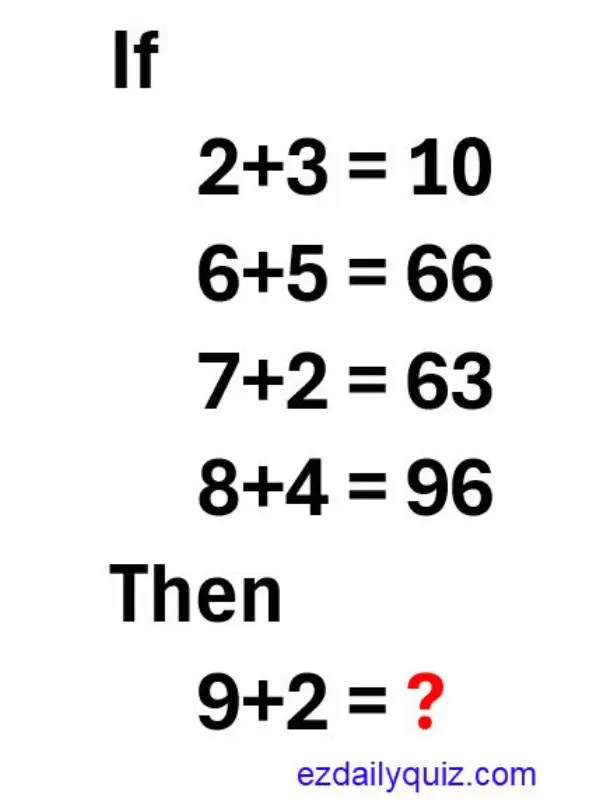 ?
?
Number Pattern in Two Groups: Find the Rule
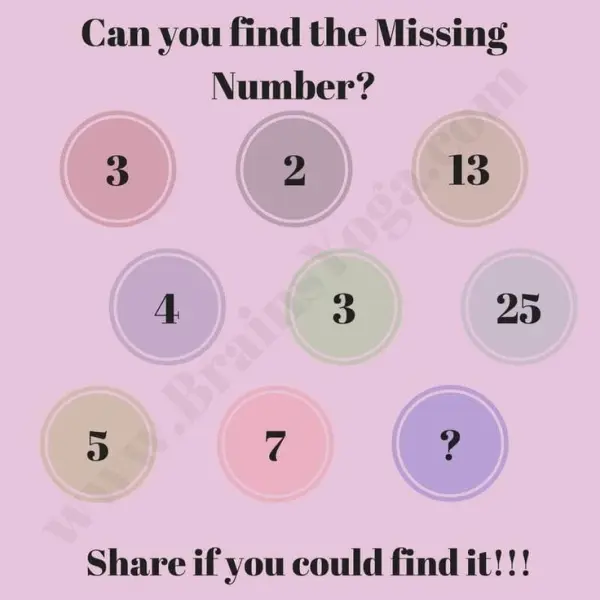 ?
?
Fill in the Missing Numbers on the Poster
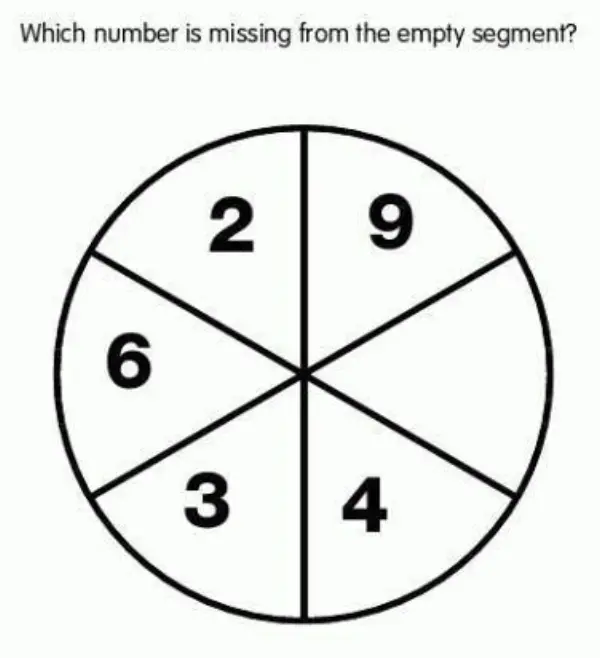 ?
?
Which Number Fills the Empty Segment?
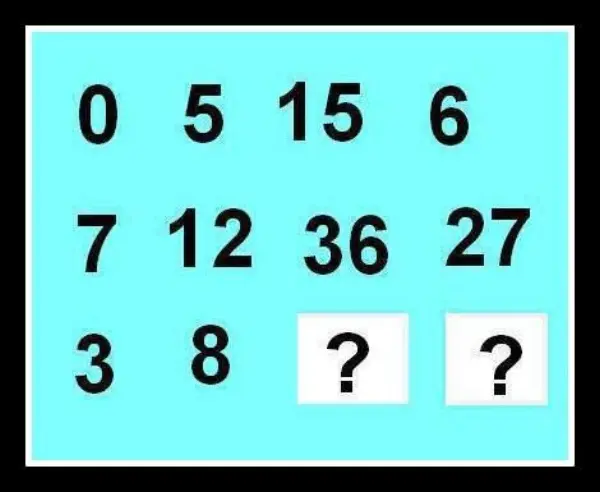 ?
?
Replace the Question Marks in the Sequence
 ?
?
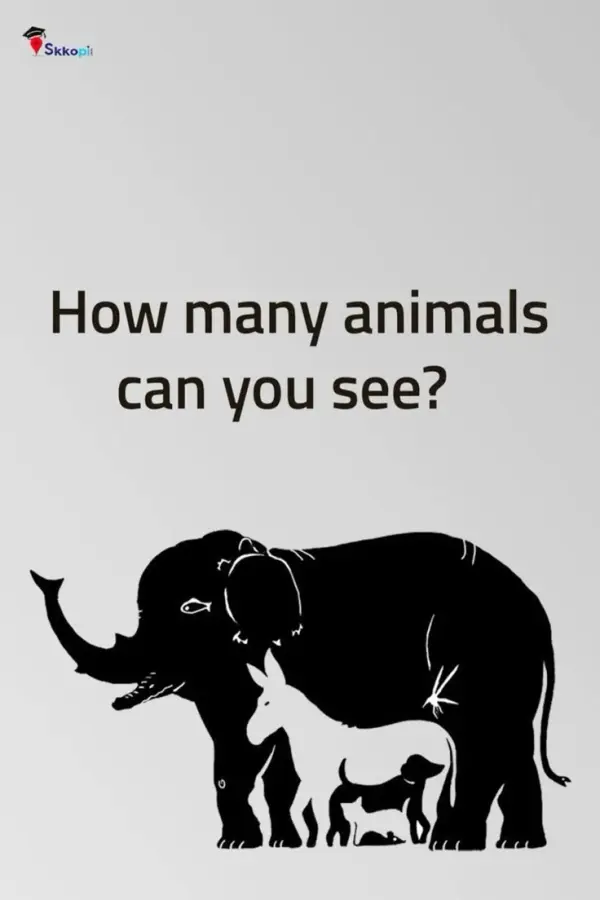
How Many Animals Are Hidden in This Scene?
 ?
?
Alphabet Pattern: Which Letter Comes Next?
 ?
?
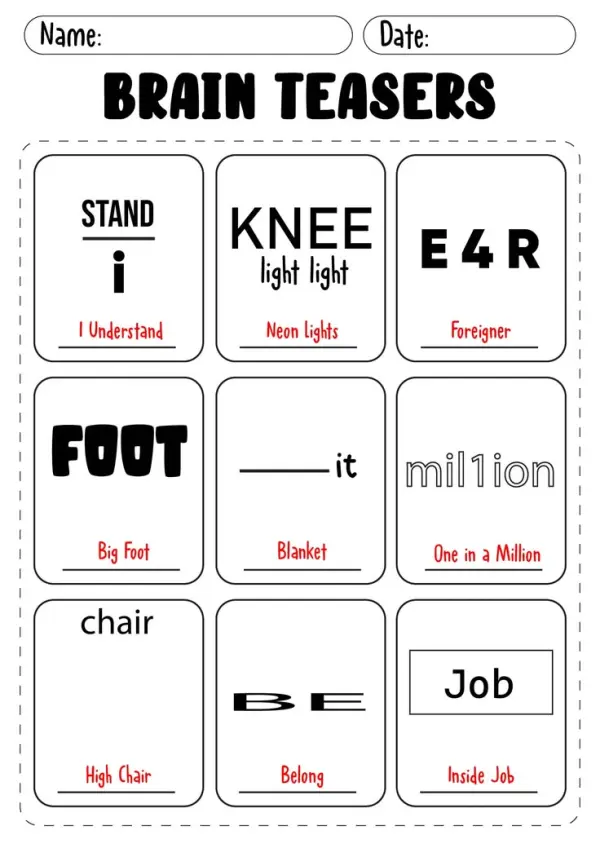
Find the Missing Puzzle Piece
 ?
?
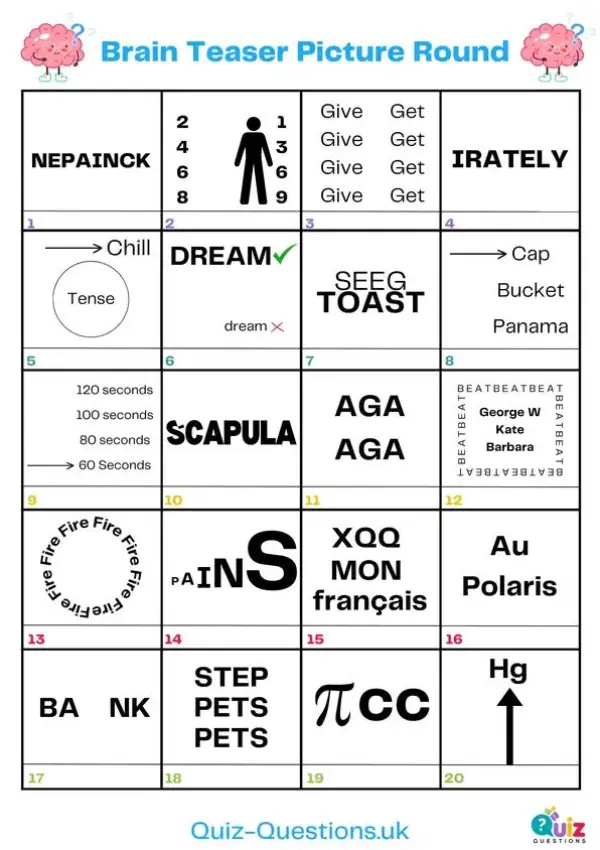
Brainteaser Picture Round: Spot the Pattern
 ?
?
Number and Symbol Sequence: What Comes Next?
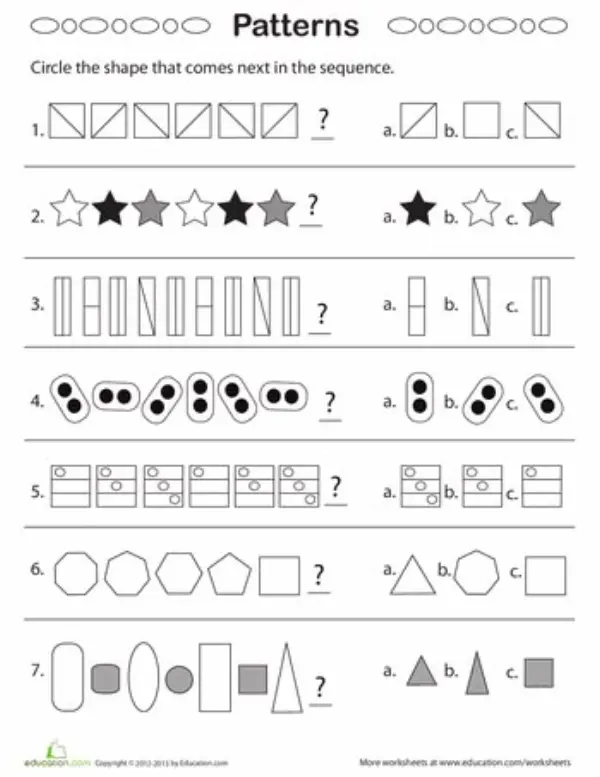 ?
?
Shapes Grid: Find the Odd One Out
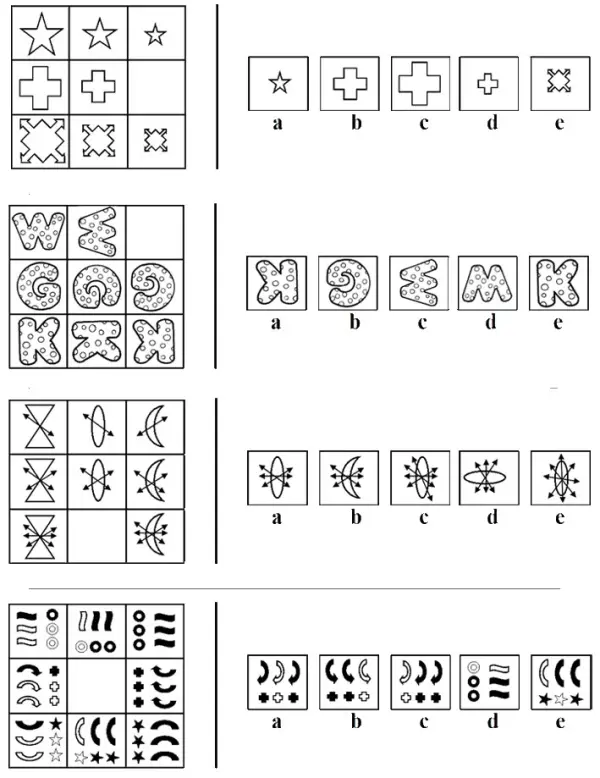 ?
?
Symbol Grid: What Replaces the Question Mark?
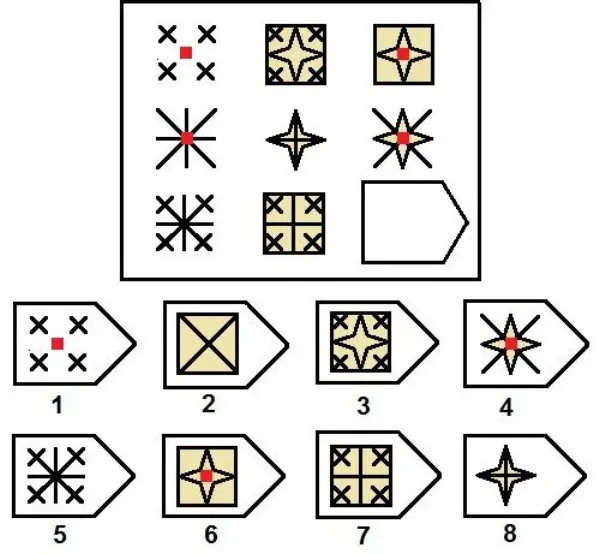 ?
?
Which Shape Completes the Sequence?
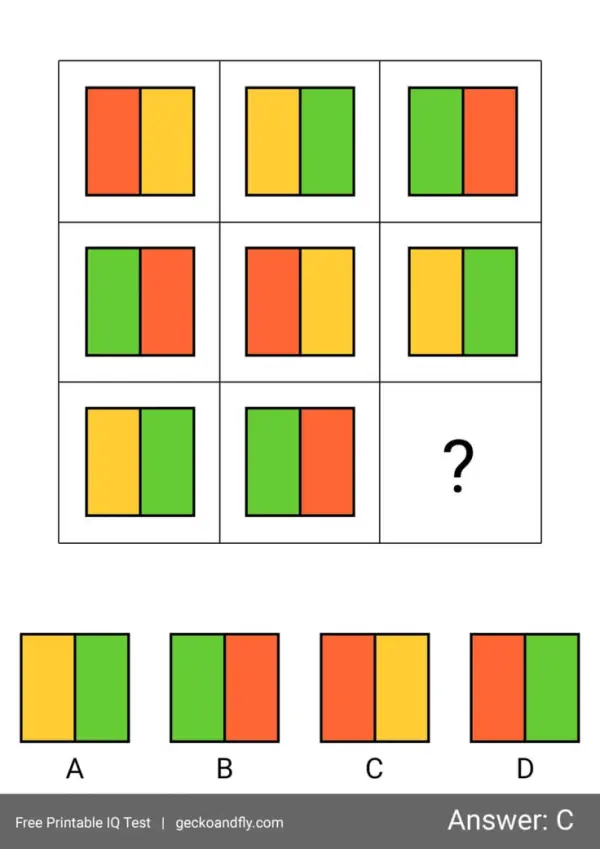 ?
?
Four Colored Squares: Which Comes Next?
 ?
?
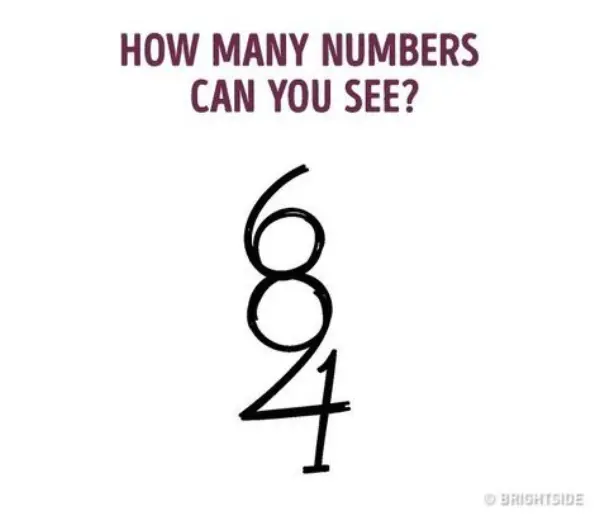
How Many Numbers Can You See?
 ?
?
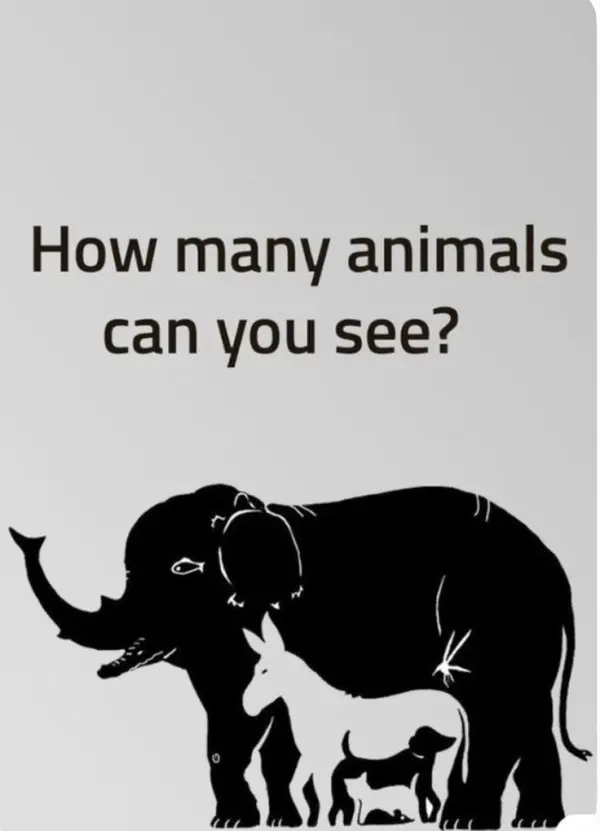
How Many Animals Can You See?
 ?
?
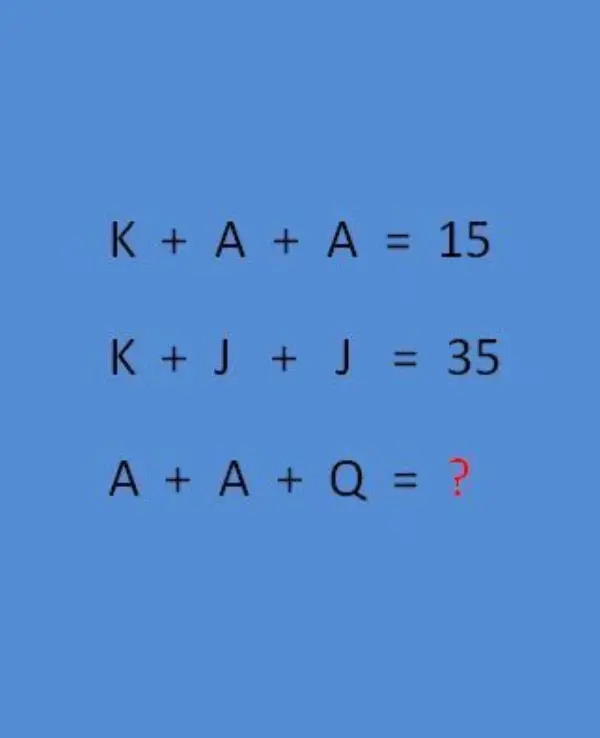
Find the Missing Letter in the Pattern
 ?
?
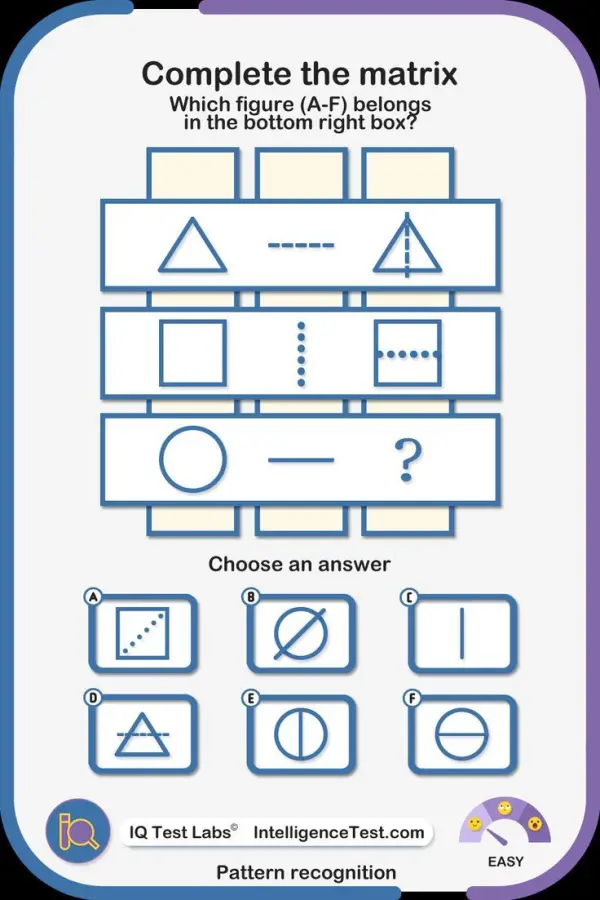
Complete the Matrix: What Goes in the Empty Cell?
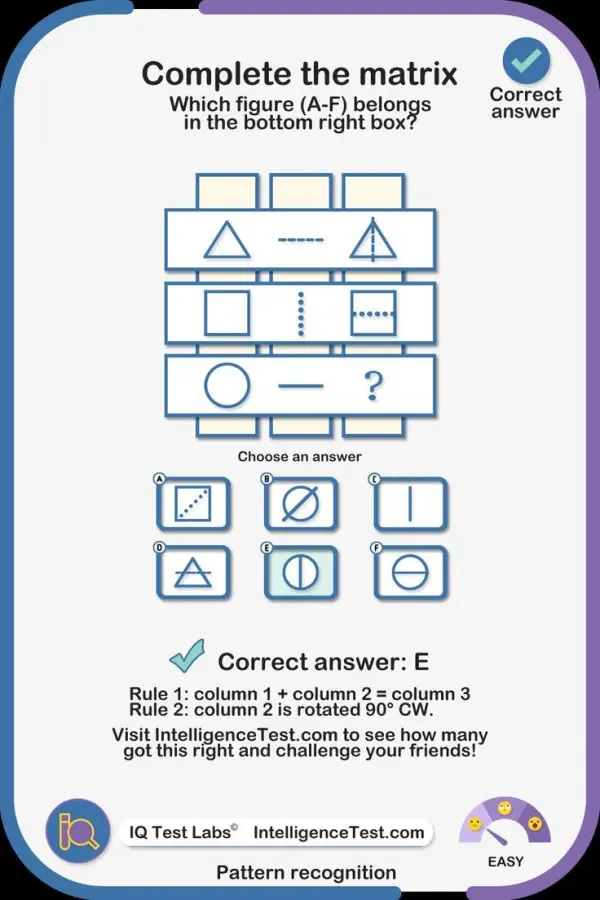 ?
?
Find the Missing Piece in the Matrix
 ?
?
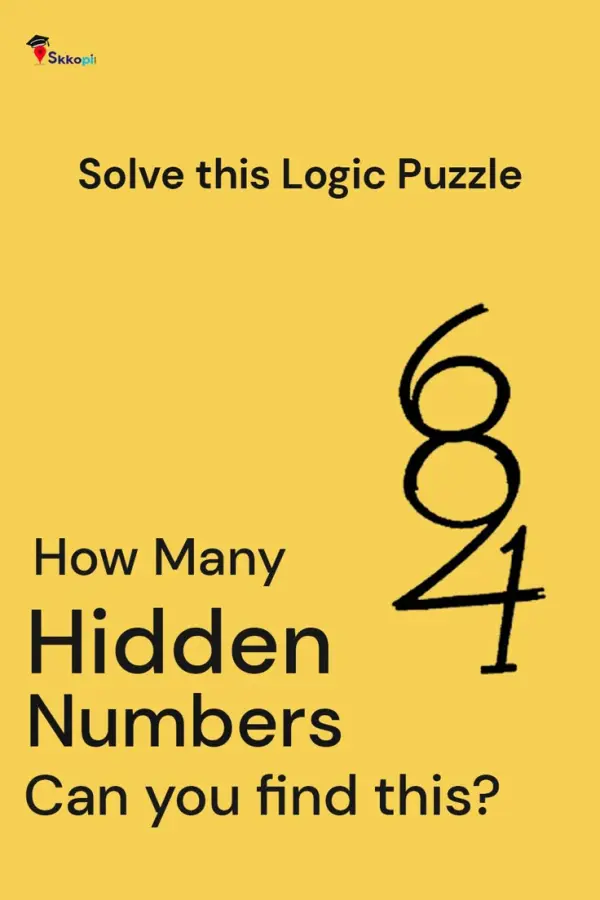
How Many Hidden Numbers Can You Find?
 ?
?
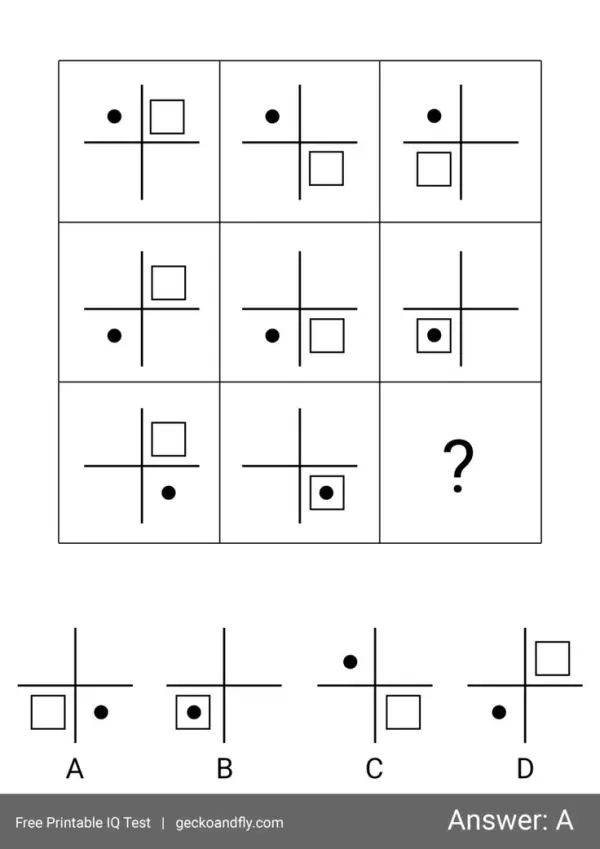
Cross Pattern: Find the Missing Symbol
 ?
?
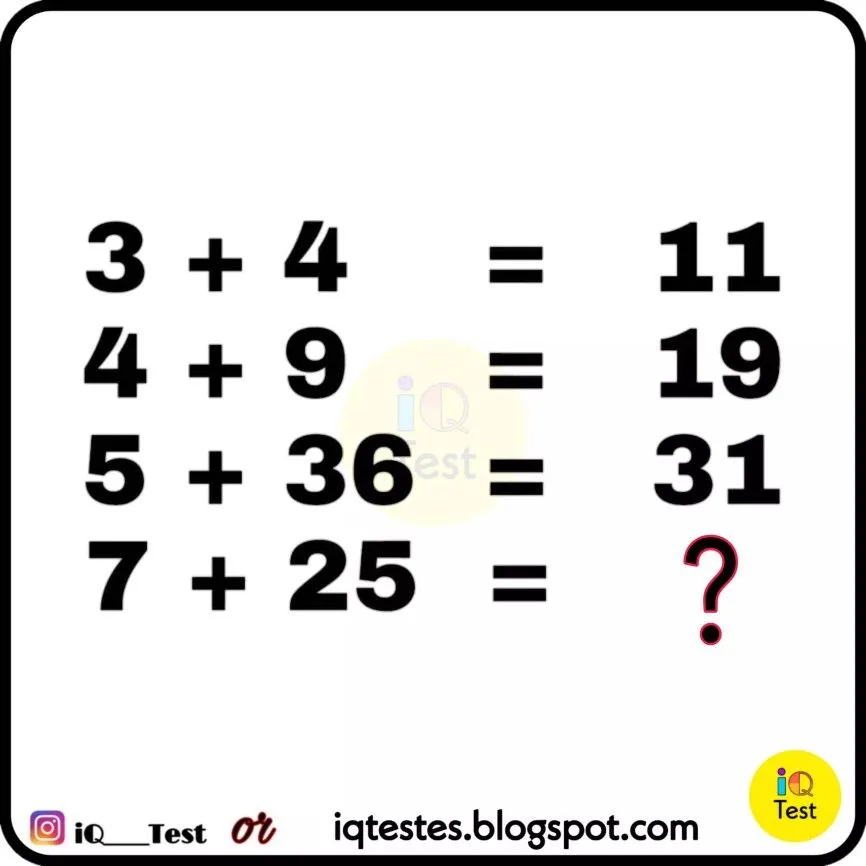
Hidden Math Rule: 3+4=11, 4+9=19 — What is 7+25?
 ?
?
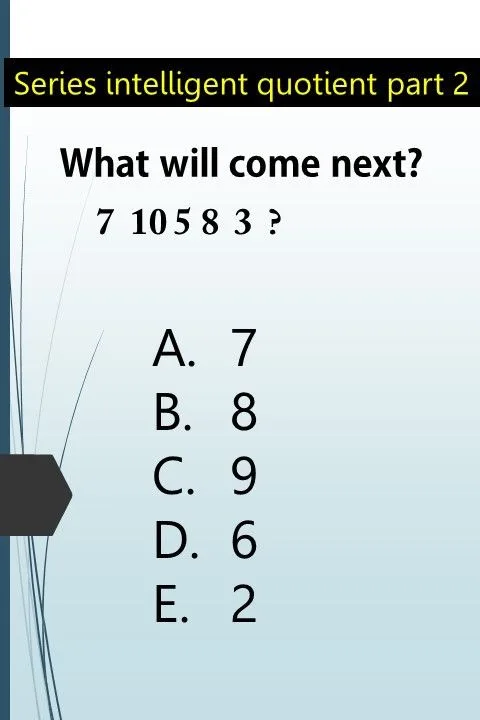
Number Sequence: 7 10 5 8 3 — What Comes Next?
 ?
?
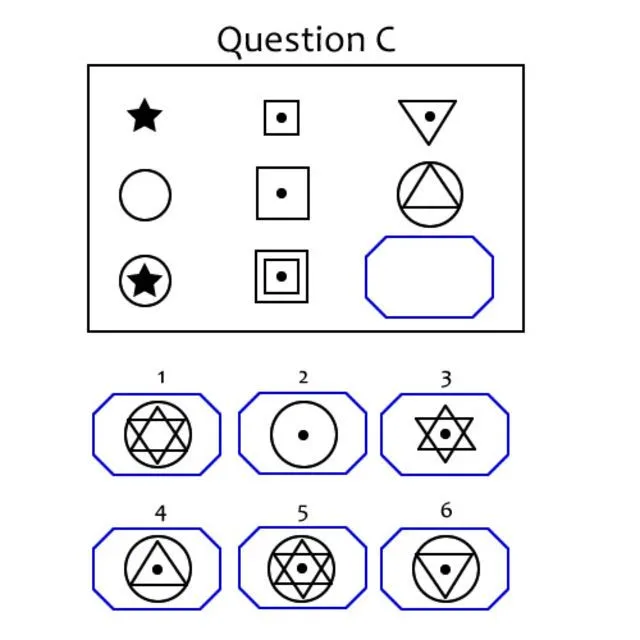
Symbol Matrix: Complete the 3x3 Grid
 ✓
✓
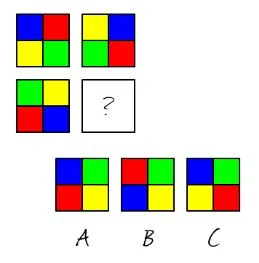
Colour Grid Rotation: What Comes Next?
What Is Pattern Recognition in IQ Tests?
Pattern recognition questions are the defining feature of non-verbal intelligence tests. They present a grid — typically 3x3 or 4x4 — in which shapes, symbols, or figures change according to a hidden rule. Your task is to identify the rule and select or complete the missing element. This format appears in Raven's Progressive Matrices, Mensa admission tests, and most professional psychometric assessments because it measures fluid intelligence almost independently of education or language background.
Fluid intelligence — the ability to reason about novel problems without relying on prior knowledge — is precisely what pattern recognition questions isolate. Each question is a compact experiment: the grid provides the evidence, and the solver's job is to form a hypothesis, test it against every row and column, and confirm or revise it until only one answer remains consistent with all the data.
Common Pattern Types
Rotation and Reflection
A shape rotates by a fixed angle (45°, 90°, 180°) across each row or column. Some questions combine rotation with reflection, flipping the figure horizontally or vertically as well. The key is to track one feature — a notch, an arrow tip, a shaded segment — and follow how it moves through the grid.
Addition and Subtraction of Elements
Each row or column adds or removes a component: lines are added to a shape, dots increase by a fixed count, or segments are subtracted. Identify the delta — how much changes per step — and apply it to reach the missing cell.
Colour and Shading Rules
Shading alternates, inverts, or progresses across the grid. A common rule is XOR shading: wherever two source cells are both filled, the result cell is empty; where only one is filled, the result cell is filled. Recognising XOR patterns requires holding two rows simultaneously in working memory.
Combination Rules
The most complex patterns involve two or more simultaneous rules — for example, a shape that both rotates and loses one segment per step. Approach these by isolating each dimension of change independently before combining them to identify the missing element.
Frequently Asked Questions
How do I get faster at pattern recognition questions?
Speed comes from automating the identification of common rule types. Practice enough questions in this category that you immediately recognise rotation, addition, and shading patterns on sight — then the only cognitive work is confirming the rule and applying it, rather than searching for the rule from scratch.
What if two answers seem equally valid?
A well-formed pattern question has exactly one valid answer. If two seem correct, you have not fully identified the rule — go back and check whether your rule is consistent across every row and every column, not just the one that contains the missing cell.
Are pattern recognition skills trainable?
Yes. Research consistently shows that practicing matrix reasoning tasks improves performance on similar tasks. The transfer to novel patterns is the goal — not memorising specific grids, but internalising the reasoning strategy: hypothesise a rule, test it exhaustively, revise if it fails.
How are these questions scored on real IQ tests?
On Raven's Progressive Matrices, each correct answer contributes one raw point. The raw score is converted to a percentile based on age-normed tables, and from that percentile a standard score (IQ equivalent) is derived. Harder items are weighted identically to easier ones in raw scoring — speed is not measured.