# Neuroplasticity: How the Brain Rewires Itself and What You Can Actually Do About It
For most of the twentieth century, neurology operated under a simple assumption. Brains matured, reached their adult form, and stayed that way. Connections made in childhood were the connections you had for life. Damage to the adult brain was irreversible, and cognitive abilities declined steadily after middle age along paths determined by genetics and early environment. Nothing could be done.
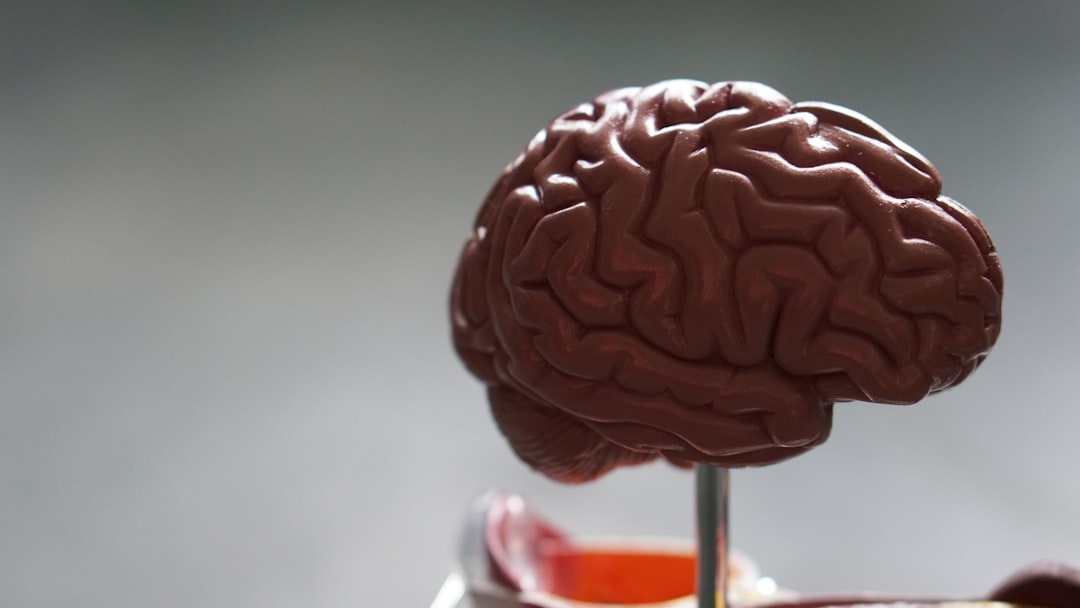
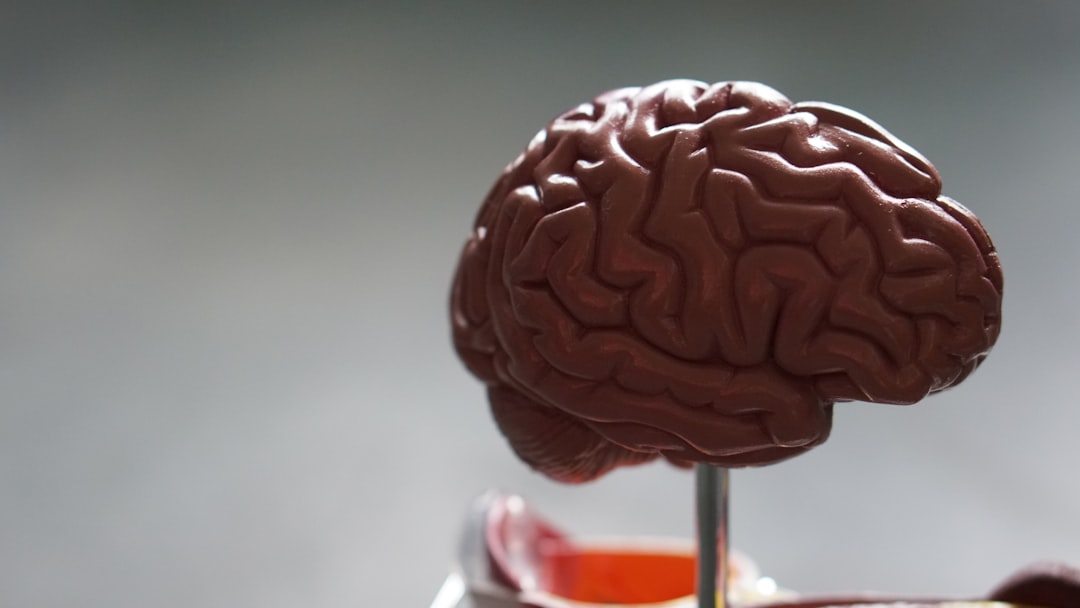
This framework was wrong. The overturning of the static-brain dogma is one of the most important scientific revolutions of the last sixty years. The adult brain changes, continuously and substantially, in response to experience. It strengthens and weakens connections based on use. It reorganizes functional territories after injury. It produces new neurons, in limited regions, throughout life. The machinery of thought is not built and left alone; it is perpetually remodeled.
This article examines what neuroplasticity actually is, what mechanisms drive it, what reliably promotes beneficial change, and what the popular discourse has gotten wrong.
---
## What Neuroplasticity Means
Neuroplasticity is a family of mechanisms, not a single process. Four distinct types of plastic change operate in the brain, on different timescales and through different cellular pathways.
**Synaptic plasticity** is the strengthening and weakening of existing connections between neurons. When two neurons fire together repeatedly, the synapse between them is strengthened through molecular changes that make future transmission more efficient. This is long-term potentiation (LTP), the cellular basis of learning and memory identified by Bliss and Lomo in 1973. Its counterpart, long-term depression (LTD), weakens connections that are not reinforced.
**Structural plasticity** involves physical remodeling of neurons. Dendrites grow new branches. Existing branches form new spines. Synapses are physically added and pruned. Learning a complex new motor skill measurably thickens the cortical regions controlling that skill within weeks. This process was documented in the famous London taxi driver studies of Maguire and colleagues (2000), which showed that drivers who had acquired The Knowledge, London's exhaustive street map, had physically larger posterior hippocampi than matched controls.
**Neurogenesis** is the birth of new neurons. For decades this was thought impossible in adult mammalian brains. Research by Eriksson and colleagues (1998) and subsequently confirmed in multiple studies established that the hippocampal dentate gyrus produces new neurons throughout adult life, though at modest rates. Other brain regions show little or no adult neurogenesis in humans.
**Functional reorganization** refers to the reallocation of brain regions to new functions. After stroke destroys motor cortex controlling one hand, intact regions of the brain progressively take over the functions previously performed by the damaged tissue. This is the neural basis of rehabilitation.
> "The brain is a work in progress. Every experience, every thought, every movement modifies the neural architecture that produced it. The question is not whether the brain changes, but how to direct its changes toward the outcomes we want." -- Michael Merzenich, *Soft-Wired: How the New Science of Brain Plasticity Can Change Your Life* (2013)
---
## The History of a Paradigm Shift
Understanding the intellectual history of neuroplasticity clarifies why the static-brain model persisted for so long and what evidence finally overturned it.
The earliest plasticity research dates to the 1890s, when Santiago Ramon y Cajal, the father of modern neuroanatomy, speculated that mental exercise might produce morphological changes in neurons. His hypothesis languished for decades because the tools to test it did not exist.
The first systematic evidence came from animal research. Mark Rosenzweig and colleagues at Berkeley, beginning in the 1960s, demonstrated that rats raised in "enriched" environments (with toys, social contact, and complex layouts) developed thicker cortices, larger neurons, and more synapses than rats raised in standard cages. The environmental effect was substantial and replicable.
Human evidence accumulated more slowly. Paul Bach-y-Rita's work in the 1960s and 1970s demonstrated that adults who lost vestibular function could learn to navigate using tactile sensors on the tongue, an extraordinary example of sensory substitution. Stroke rehabilitation outcomes showed that motor function could be partly recovered over months of intensive therapy.
The decisive evidence came from neuroimaging in the 1990s. Studies using MRI and fMRI documented structural and functional brain changes in response to learning in intact adult humans. The London taxi driver studies, musician brain studies, and studies of skill acquisition in sports converged on a clear conclusion: adult human brains change in response to sustained training.
The following table summarizes the major mechanisms and evidence:
| Mechanism | Timescale | Key Evidence | Functional Consequence |
|---|---|---|---|
| Synaptic LTP/LTD | Minutes to weeks | Bliss & Lomo (1973), Kandel on Aplysia | Basis of learning and memory |
| Dendritic spine formation | Hours to weeks | Two-photon imaging studies | Cortical thickening with skill acquisition |
| Adult neurogenesis | Weeks to months | Eriksson et al. (1998), Spalding et al. (2013) | Hippocampal function, novel learning |
| Myelin remodeling | Weeks to months | Scholz et al. (2009) | Faster neural transmission, skill consolidation |
| Functional reorganization | Months to years | Post-stroke recovery studies | Regaining function after damage |
| Cortical remapping | Days to months | Merzenich's somatosensory studies | Expanded representation of used surfaces |
---
## What Actually Promotes Neuroplasticity
The commercial neuroplasticity industry has flourished in the wake of the scientific consensus. Unfortunately, most commercial offerings are weakly supported or unsupported. The interventions with the strongest research base are, in almost every case, not products.
### Aerobic Exercise
Aerobic exercise has the strongest evidence of any intervention for promoting neuroplasticity. It elevates brain-derived neurotrophic factor (BDNF), a protein that promotes neuronal survival and synapse formation. It increases cerebral blood flow. It promotes hippocampal neurogenesis in animal models and hippocampal volume in human studies.
A landmark trial by Erickson and colleagues (2011) randomized older adults to aerobic exercise or stretching. After one year, the aerobic group showed a 2% increase in hippocampal volume while the stretching group showed a 1.4% decrease. The effect reversed what would normally be a year of age-related decline.
The protocol supported by research is moderate-intensity aerobic exercise, 30-45 minutes per session, three to five times per week. Walking briskly is sufficient to produce measurable benefits.
### Learning Complex New Skills
Skill acquisition drives structural plasticity. Studies of musicians show that professional pianists have enlarged motor cortical regions controlling the fingers, enlarged auditory cortex, and increased white-matter integrity in corpus callosum. Studies of jugglers show cortical thickening in visual motion areas after weeks of practice, with partial reversal when training stops.
The crucial variables appear to be complexity, sustained challenge, and the combination of cognitive and motor components. Passive exposure produces minimal change. Active, effortful engagement at the edge of current ability produces substantial change.
For professionals building technical expertise, including through certification pathways such as those catalogued at [Pass4Sure](https://pass4-sure.us), the prolonged effortful learning required to master a complex domain drives exactly the kind of structural change that the neuroplasticity literature documents. Similarly, structured writing practice, as supported by the templates and grammar systems at [Evolang](https://evolang.info), produces the kind of extended language engagement that shapes verbal processing networks.
### Sleep
Sleep is not a passive state. It is an active period of memory consolidation and synaptic remodeling. During slow-wave sleep, newly encoded memories are reactivated and stabilized. During REM sleep, additional consolidation processes integrate new information with existing knowledge structures.
Sleep deprivation impairs plasticity at multiple levels. It reduces BDNF. It impairs hippocampal LTP. It disrupts the synaptic downscaling that maintains network function. Chronic sleep restriction (less than six hours per night) produces cumulative deficits that blunt learning even when waking performance seems normal.
### Stress Management
Acute stress can enhance memory for the stressful event itself, but chronic stress impairs neuroplasticity substantially. Elevated cortisol suppresses hippocampal neurogenesis, impairs LTP, and produces dendritic atrophy in prefrontal regions. Repeated acute stressors can have similar effects.
Interventions that reduce chronic stress, including meditation, structured time management, and removal of stressors where possible, support plasticity indirectly by removing the suppression that chronic cortisol elevation imposes.
### Social Engagement
Social interaction is cognitively demanding in ways that isolated activities are not. Tracking multiple social partners, inferring their mental states, and adjusting behavior in response engages distributed brain networks and is associated with slower cognitive decline in aging. Social isolation is a well-documented risk factor for cognitive decline and dementia.
---
## What Popular Discourse Gets Wrong
Several widespread claims about neuroplasticity are weakly supported or false.
### The 21-Day Habit Myth
The claim that habits form in 21 days has no scientific basis. It originated from a 1960 book by plastic surgeon Maxwell Maltz who observed that his patients took about 21 days to adjust to their new appearance. This anecdote was transformed over decades into a supposed law of habit formation.
Actual research on habit formation, by Lally and colleagues (2010), found that the time to form automatic habits averaged 66 days and ranged from 18 to 254 days depending on the behavior. Simple behaviors (drinking water after breakfast) automated quickly. Complex behaviors (exercising for an hour daily) took much longer.
### Left-Brain/Right-Brain Thinking
The claim that people are dominantly "left-brained" or "right-brained" with corresponding personality and cognitive styles has no empirical support. A 2013 University of Utah study examining 1,011 brains found no evidence that individuals preferentially use one hemisphere over the other. Hemispheric lateralization exists for specific functions (language is typically left-lateralized, spatial processing typically right-lateralized), but not at the whole-brain personality level.
### Brain Training Apps
The neuroplasticity marketing of commercial brain-training apps is selectively true and practically misleading. Practicing any task produces some neural change; that is plasticity. But the changes are specific to the trained task and do not generalize to real-world cognitive performance.
The 2014 Stanford Center on Longevity consensus statement, signed by more than seventy researchers, concluded that brain-training games cannot be credibly claimed to improve real-world cognitive function based on the available evidence. More recent systematic reviews have reached the same conclusion.
### "Use It or Lose It"
The phrase contains a grain of truth but is often applied too broadly. Unused cortical regions do undergo some atrophy. Maintained cognitive engagement is associated with better cognitive aging. However, the effects are modest in size, and specific brain training programs produce less benefit than general cognitive engagement through work, hobbies, reading, and social activities.
> "The popular neuroplasticity literature has gotten ahead of the science. The brain changes, yes. Training produces effects, yes. But the sweeping claims about rewiring your brain to become a different person, or becoming more intelligent through cognitive games, are not what the research supports." -- Alvaro Pascual-Leone, *Neuron* (2005)
---
## Neuroplasticity Across the Lifespan
Plasticity is not uniform across life. Different mechanisms dominate at different ages, and the implications for intervention differ accordingly.
**Early childhood** features extraordinary plasticity. Critical periods for language acquisition, visual development, and social attachment close during the first years of life. Brain volume and synapse density peak around age two, followed by extensive pruning that continues through adolescence.
**Adolescence** involves a second wave of plasticity, particularly in prefrontal regions responsible for executive function and social cognition. Adolescent brains are especially responsive to experience and also especially vulnerable to substance exposure and stress.
**Adulthood** maintains substantial plasticity in the contexts of learning, skill acquisition, and recovery from injury. Hippocampal neurogenesis continues. Synaptic and structural plasticity are preserved. Functional reorganization after injury is robust into late life.
**Late adulthood** shows reduced plasticity in several domains, but substantial preserved capacity. Cognitively active older adults maintain structural brain integrity better than sedentary peers. Individuals learning new skills after 65 show brain changes qualitatively similar to those of younger learners, though sometimes smaller in magnitude.
---
## Practical Application
Translating the neuroplasticity research into daily life is less mysterious than the commercial literature suggests.
**Prioritize aerobic exercise.** Thirty to forty-five minutes of moderate-intensity aerobic activity, three to five times per week, is the single intervention with the strongest evidence for promoting beneficial brain change. The benefits extend to cognition, mood, and longevity.
**Engage in sustained, challenging learning.** Pick something genuinely difficult that combines cognitive and motor or perceptual components. Language learning, musical instrument practice, complex sports, and technical skill development all qualify. The rewards of this kind of learning compound across years.
**Protect sleep.** Seven to nine hours per night is the evidence-based target. Consistent sleep and wake times support the consolidation processes that turn daily experience into durable memory.
**Reduce chronic stress.** Acute stress is part of life. Chronic stress suppresses plasticity and should be addressed through time management, boundary setting, and where necessary, professional support.
**Maintain social engagement.** Regular social interaction with people outside your immediate circle supports cognitive function across the lifespan. Environments that combine social engagement with focused work, including the cafe settings featured at [Down Under Cafe](https://downundercafe.com), naturally combine these elements.
**Use external scaffolding strategically.** Offloading routine cognitive work to tools and systems frees internal resources for effortful engagement where it matters. Writing things down, as practiced in the note-taking systems at [When Notes Fly](https://whennotesfly.com), and using simple utilities from libraries like [File Converter Free](https://file-converter-free.com) and [qr-bar-code.com](https://qr-bar-code.com) for routine conversions allows mental effort to concentrate on learning and problem-solving.
### Entrepreneurial Learning as Plasticity Driver
Entrepreneurs and business founders build extensive crystallized knowledge through their work, navigating legal, financial, operational, and marketing domains simultaneously. The sustained multi-domain learning required for business formation, including the structured country-specific guides at [Corpy](https://corpy.xyz), engages exactly the kind of prolonged challenging learning that drives structural plasticity.
---
## Neuroplasticity in Other Species
Comparative neuroscience has shown that plasticity mechanisms are deeply conserved across species. Research on songbirds, rodents, primates, and corvids has identified largely similar molecular machinery and similar dependence on experience, challenge, and rest.
Comparative cognition research at platforms like [Strange Animals](https://strangeanimals.info) has documented particularly striking plasticity in food-caching birds, whose hippocampi enlarge seasonally to support the encoding of thousands of cache locations. Primates learning tool use show structural changes in regions analogous to those that change in human skill learning. The mechanisms of plasticity are not unique to humans.
What may be distinctively human is the scale of experience-dependent plasticity driven by cultural learning, language, and symbolic thought. Humans can direct their own plasticity through deliberate practice in ways that no other species appears to match.
---
## What Remains Contested
Several questions remain actively researched.
The extent of adult human neurogenesis is still debated. Some studies report substantial ongoing neuron production in the hippocampus through late life; others report effectively none after early adulthood. Methodological differences likely account for much of the discrepancy, and consensus has not yet been reached.
The relationship between plasticity and cognitive decline in aging is not fully understood. Some interventions that should support plasticity (exercise, engagement, sleep) also reduce dementia risk, but the causal pathways from plasticity-enhancing behavior to dementia prevention are difficult to establish definitively.
The translation of animal neuroplasticity findings to human clinical applications remains challenging. Interventions that work reliably in controlled animal studies often produce weaker or inconsistent effects in humans, reflecting differences in species, scale, timescale, and measurement.
These are real limitations, but they do not undermine the core conclusion. The adult brain changes in response to experience. The changes are directional, consequential, and partially controllable. The tools for directing those changes toward beneficial outcomes are not mysterious, are not expensive, and are, for the most part, the ordinary practices of healthy living. The science does not require the commercial products. It requires the habits.
---
## References
1. Bliss, T. V., & Lomo, T. (1973). Long-lasting potentiation of synaptic transmission in the dentate area of the anaesthetized rabbit following stimulation of the perforant path. *Journal of Physiology*, 232(2), 331-356. https://doi.org/10.1113/jphysiol.1973.sp010273
2. Maguire, E. A., Gadian, D. G., Johnsrude, I. S., et al. (2000). Navigation-related structural change in the hippocampi of taxi drivers. *Proceedings of the National Academy of Sciences*, 97(8), 4398-4403. https://doi.org/10.1073/pnas.070039597
3. Eriksson, P. S., Perfilieva, E., Bjork-Eriksson, T., et al. (1998). Neurogenesis in the adult human hippocampus. *Nature Medicine*, 4(11), 1313-1317. https://doi.org/10.1038/3305
4. Erickson, K. I., Voss, M. W., Prakash, R. S., et al. (2011). Exercise training increases size of hippocampus and improves memory. *Proceedings of the National Academy of Sciences*, 108(7), 3017-3022. https://doi.org/10.1073/pnas.1015950108
5. Lally, P., van Jaarsveld, C. H. M., Potts, H. W. W., & Wardle, J. (2010). How are habits formed: Modelling habit formation in the real world. *European Journal of Social Psychology*, 40(6), 998-1009. https://doi.org/10.1002/ejsp.674
6. Spalding, K. L., Bergmann, O., Alkass, K., et al. (2013). Dynamics of hippocampal neurogenesis in adult humans. *Cell*, 153(6), 1219-1227. https://doi.org/10.1016/j.cell.2013.05.002
7. Draganski, B., Gaser, C., Busch, V., et al. (2004). Changes in grey matter induced by training. *Nature*, 427(6972), 311-312. https://doi.org/10.1038/427311a
8. Nyberg, L., Lovden, M., Riklund, K., Lindenberger, U., & Backman, L. (2012). Memory aging and brain maintenance. *Trends in Cognitive Sciences*, 16(5), 292-305. https://doi.org/10.1016/j.tics.2012.04.005