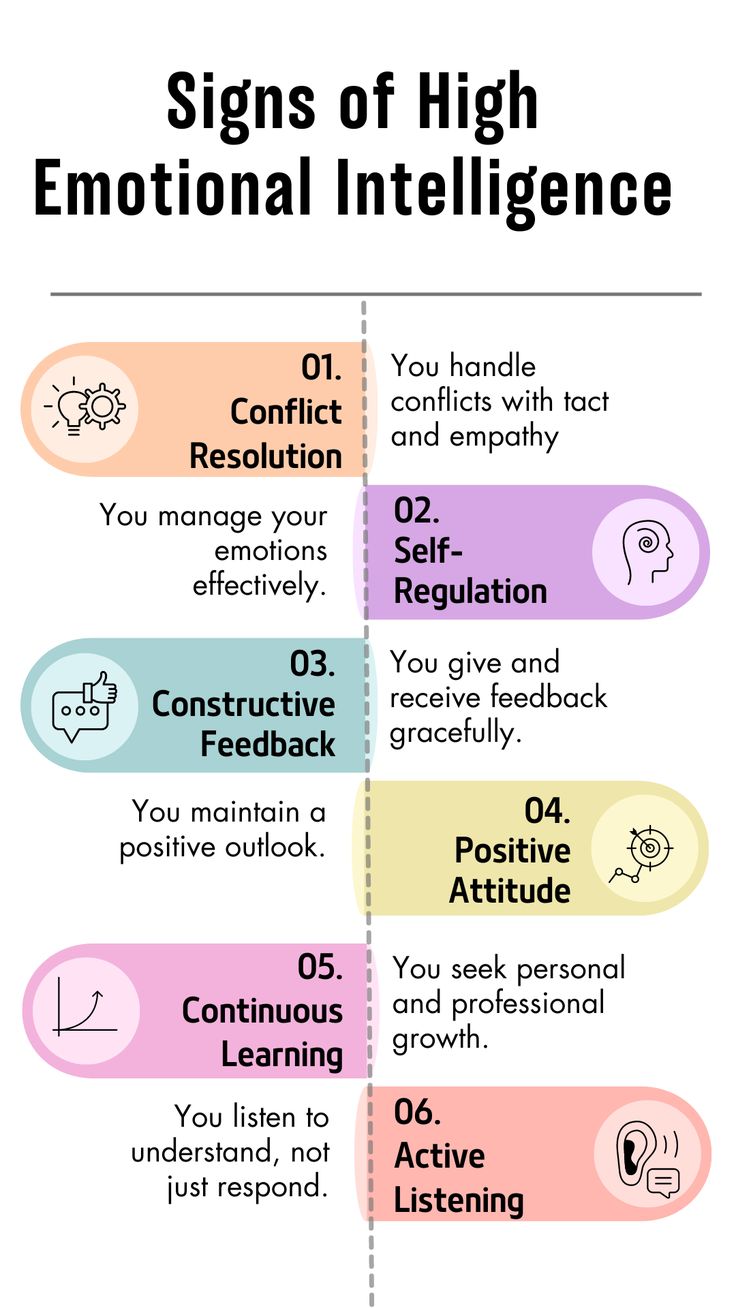
Quick Answer: Emotional intelligence has a profound, measurable impact across every area of life. Research from TalentSmart involving over 500,000 people shows that EQ accounts for 58% of job performance across industries. Individuals with high emotional intelligence earn an average of $29,000 more annually, experience lower rates of depression and anxiety, maintain stronger relationships, and demonstrate more effective leadership.
Unlike IQ, emotional intelligence can be significantly improved at any age through deliberate practice.
Emotional intelligence is no longer just a theory discussed in academic journals - it is a practical force shaping outcomes in careers, relationships, health, and everyday decision-making. While understanding the science behind EQ is important, what most people want to know is straightforward: How does emotional intelligence actually affect my life, and what can I do about it?
"In a very real sense we have two minds, one that thinks and one that feels, and these two fundamental ways of knowing interact to construct our mental life." - Daniel Goleman, author of Emotional Intelligence (1995)
The research is clear. Decades of studies across psychology, neuroscience, and organizational behavior have produced quantifiable evidence that emotional intelligence predicts success in domains where cognitive intelligence alone falls short. From the boardroom to the classroom, from intimate relationships to mental health outcomes, EQ is the variable that often makes the difference between thriving and merely surviving.
This article focuses on the real-world impact of emotional intelligence - what the data shows, how EQ shapes outcomes in specific areas of life, and what evidence-based strategies you can use to develop your emotional skills starting today.
The Measurable Impact of EQ: What the Numbers Tell Us
Before exploring specific domains, it is worth examining the aggregate research on emotional intelligence outcomes. The data paints a compelling picture.
Key Research Findings at a Glance
| Finding | Statistic | Source |
|---|---|---|
| EQ predicts job performance | 58% of performance across all job types | TalentSmart (500,000+ participants) |
| Top performers have high EQ | 90% of top performers score high in EQ | TalentSmart, 2009 |
| Salary premium | High-EQ individuals earn $29,000 more per year on average | Bradberry & Greaves, 2009 |
| Leadership effectiveness | EQ is twice as important as IQ and technical skills combined | Goleman, Harvard Business Review, 1998 |
| Mental health | Significant positive relationship with well-being (r = 0.36) | Martins et al., 2010 (meta-analysis of 80 studies) |
| Academic achievement | SEL programs boost achievement by 11 percentile points | Durlak et al., 2011 (213 studies, 270,000+ students) |
| Relationship satisfaction | Higher EQ predicts 30-40% greater relationship satisfaction | Brackett et al., 2005 |
"People who score higher on measures of emotional intelligence tend to be more successful in their work and personal lives." - Peter Salovey, President of Yale University and co-originator of the EQ concept
These are not abstract correlations. They represent real differences in income, career trajectory, health outcomes, and quality of life. Understanding how EQ produces these effects requires examining each domain in detail.
Emotional Intelligence in the Workplace: Beyond the Resume
The workplace is where the impact of emotional intelligence is most extensively documented - and most immediately felt. While cognitive intelligence and technical expertise get you in the door, emotional intelligence determines how far you go.
Why EQ Outperforms IQ at Work
Consider two software engineers with identical technical skills and IQ scores. One consistently receives promotions and leads high-performing teams. The other, equally talented, remains stuck in individual contributor roles. The difference? Research points overwhelmingly to emotional intelligence.
"No doubt emotional intelligence is more rare than book smarts, but my experience says it is actually more important in the making of a leader. You just can't ignore it." - Jack Welch, former CEO of General Electric
Real-world example: When Google conducted Project Oxygen in 2008 to identify what made their best managers successful, the company expected technical expertise to top the list. Instead, the top seven traits were all emotional intelligence competencies:
- being a good coach
- empowering the team
- expressing interest in team members' well-being
- being productive and results-oriented
- being a good communicator and listener
- helping with career development
- having a clear vision and strategy
Technical expertise ranked dead last among the eight qualities identified.
EQ Impact Across Industries
| Industry | EQ-Related Finding | Practical Implication |
|---|---|---|
| Healthcare | Physicians with higher EQ have 40% fewer malpractice claims | Emotional connection reduces patient complaints |
| Sales | High-EQ salespeople outsell low-EQ peers by 50% | Empathy and rapport drive purchasing decisions |
| Technology | Google's best managers scored highest in EQ, not technical skill | People management trumps coding ability for leaders |
| Education | Teachers with high EQ have 30% better student engagement | Emotional climate affects learning outcomes |
| Finance | Traders with higher emotional regulation make more profitable decisions | Emotional control prevents panic selling |
| Law enforcement | Officers with EQ training use force 30% less frequently | De-escalation depends on emotion reading skills |
The Cost of Low EQ in Organizations
Low emotional intelligence does not just limit individual careers - it damages entire organizations:
- Employee turnover: Managers with low EQ experience 60% higher turnover in their teams (Gallup, 2019)
- Workplace conflict: 85% of employees deal with conflict at work, and those with low EQ escalate conflicts more frequently (CPP Global, 2008)
- Lost productivity: Disengaged employees (often managed by low-EQ leaders) cost U.S. companies an estimated $450-550 billion annually (Gallup State of the Global Workplace)
- Customer loss: Emotionally tone-deaf customer interactions are the top reason customers switch providers, with 68% citing perceived indifference (Customer Experience Impact Report)
Emotional Intelligence and Leadership: What Separates the Best
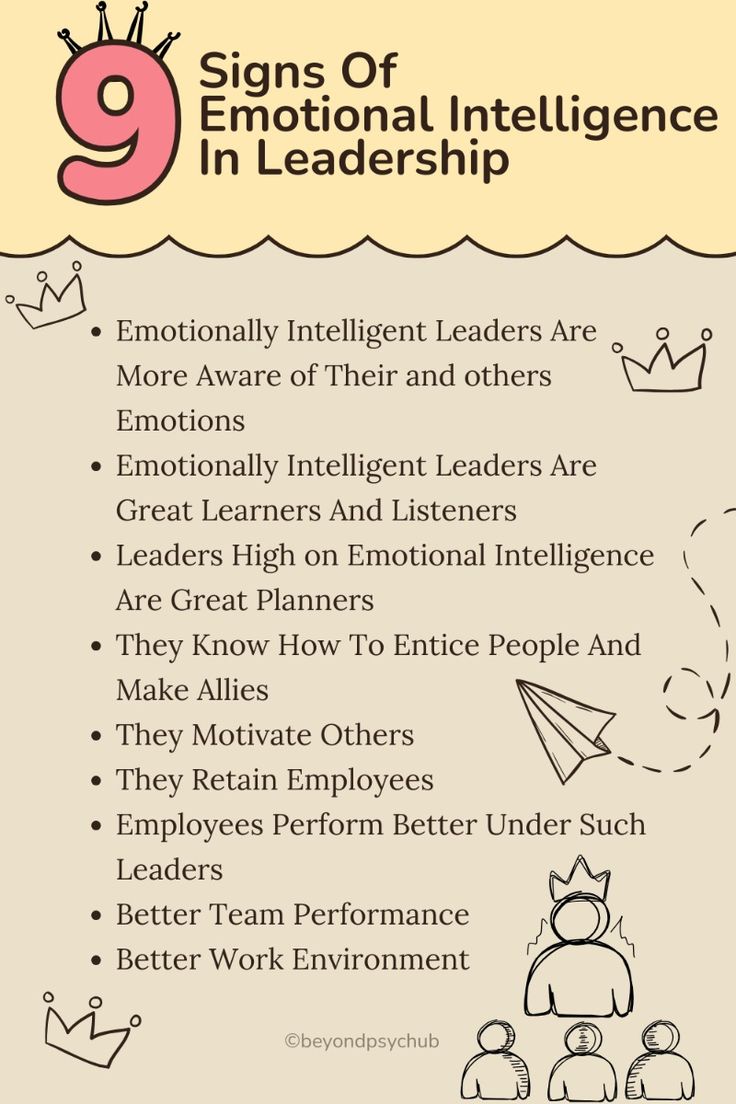
Leadership is the domain where emotional intelligence has its most dramatic and well-documented impact. The research is unequivocal: EQ is a stronger predictor of leadership effectiveness than IQ, technical expertise, or experience.
The Goleman Leadership Research
Daniel Goleman's analysis of competency models from 188 large companies (published in Harvard Business Review) produced findings that reshaped executive development:
- At all organizational levels, emotional intelligence was twice as important as technical skills and IQ combined
- At senior leadership levels, nearly 90% of the competencies differentiating star performers from average ones were emotional intelligence factors
- The single strongest predictor of leadership excellence was self-awareness
"The most effective leaders are all alike in one crucial way: they all have a high degree of what has come to be known as emotional intelligence." - Daniel Goleman, Harvard Business Review
Six Leadership Styles and EQ
Goleman identified six leadership styles, each requiring different EQ competencies:
| Leadership Style | EQ Competencies Required | When It Works Best | Impact on Climate |
|---|---|---|---|
| Visionary | Self-confidence, empathy, change catalyst | When a new direction is needed | Most strongly positive |
| Coaching | Developing others, empathy, self-awareness | Helping employees improve performance | Highly positive |
| Affiliative | Empathy, relationship building, communication | Healing team rifts, motivating during stress | Positive |
| Democratic | Collaboration, team capabilities, communication | Building buy-in or getting input | Positive |
| Pacesetting | Conscientiousness, drive to achieve, initiative | Getting quick results from a motivated team | Often negative if overused |
| Commanding | Drive to achieve, initiative, self-control | In a crisis or with problem employees | Most negative if misused |
Real-world example: When Satya Nadella became Microsoft's CEO in 2014, he deliberately led with empathy - a core EQ competency. He required his senior leadership team to read Marshall Rosenberg's Nonviolent Communication and shifted the company culture from "know-it-all" to "learn-it-all."
The result: Microsoft's market capitalization grew from roughly $300 billion to over $3 trillion, making it one of the most valuable companies in history. Nadella has explicitly credited empathy as the driving force behind the transformation.
Emotional Intelligence and Mental Health: The Protective Factor
The impact of emotional intelligence on mental health is one of the most robust findings in psychological research. Higher EQ functions as a psychological shield, protecting against common mental health challenges while promoting resilience and well-being.
What the Meta-Analyses Show
| Study | Sample | Key Finding |
|---|---|---|
| Martins, Ramalho & Morin (2010) | 80 studies | EQ significantly correlated with mental health (r = 0.36) |
| Schutte et al. (2007) | 44 studies | Higher EQ associated with better health across mental, psychosomatic, and physical domains |
| Zeidner, Matthews & Roberts (2012) | Review of clinical studies | EQ-based interventions reduced burnout by up to 25% in healthcare workers |
| Fernandez-Berrocal et al. (2006) | Clinical populations | Higher EQ correlated with lower depression severity |
How EQ Protects Mental Health
Emotional intelligence affects mental health through several specific mechanisms:
- Emotion regulation - High-EQ individuals use more effective regulation strategies (cognitive reappraisal) rather than maladaptive ones (rumination, suppression). A 2003 study by Gross and John found that habitual reappraisers experienced more positive emotions, fewer negative emotions, and better interpersonal functioning than habitual suppressors.
- Stress buffering - Emotionally intelligent individuals perceive stressful situations as more manageable and activate coping responses more quickly. Salovey et al. (2002) demonstrated that higher EQ was associated with lower cortisol reactivity to stress.
- Social support mobilization - People with high EQ build and maintain stronger support networks. Since social connection is one of the most powerful predictors of mental health (Holt-Lunstad et al., 2010 found that poor social relationships increased mortality risk by 50%), this pathway is particularly significant.
- Emotional clarity - The ability to identify and label emotions precisely - what psychologist Lisa Feldman Barrett calls "emotional granularity" - is associated with more effective coping and less emotional overwhelm.
"People who are able to identify and label their emotions more precisely are better at regulating those emotions and experience less emotional distress." - Lisa Feldman Barrett, neuroscientist and psychologist, Northeastern University
EQ and Specific Mental Health Conditions
| Condition | EQ-Related Research Finding | Practical Implication |
|---|---|---|
| Depression | Low EQ is a significant risk factor; emotion regulation deficits predict depression onset | EQ training can serve as preventive intervention |
| Anxiety | Higher EQ associated with lower anxiety severity and better management | Emotional awareness reduces anxiety escalation |
| Burnout | Healthcare workers with high EQ show 25% lower burnout rates | EQ training should be standard in high-stress professions |
| PTSD | Higher pre-trauma EQ predicts better post-traumatic adjustment | EQ is a resilience factor against trauma |
| Substance use | Low EQ is a predictor of substance abuse; EQ skills aid recovery | EQ development supports addiction treatment |
Emotional Intelligence in Relationships: The Hidden Variable
Romantic relationships, friendships, and family dynamics are all profoundly influenced by emotional intelligence. Research demonstrates that EQ is a stronger predictor of relationship satisfaction than personality compatibility, attachment style, or even shared interests.
Research Findings
- Brackett et al. (2005) found that couples where both partners had high EQ reported significantly greater relationship satisfaction than couples where only one or neither partner scored high
- Lopes et al. (2004) demonstrated that the emotion management branch of EQ was specifically associated with higher quality social interactions as rated by both participants and their interaction partners
- A 2011 study by Malouff et al. (meta-analysis of 19 studies) found that higher EQ predicted relationship satisfaction with a medium effect size (r = 0.30)
How EQ Shapes Relationship Outcomes
| Relationship Area | High EQ Behavior | Low EQ Behavior | Outcome Difference |
|---|---|---|---|
| Conflict resolution | Addresses issues calmly; seeks to understand partner's perspective | Escalates arguments; becomes defensive or dismissive | High-EQ couples resolve conflicts 3x faster |
| Emotional support | Accurately reads partner's needs; responds with empathy | Misreads or ignores emotional signals | Partners of high-EQ individuals report feeling more understood |
| Communication | Expresses feelings clearly; listens actively | Withholds feelings or expresses them aggressively | Higher relationship satisfaction and trust |
| Repair after conflict | Takes responsibility; initiates reconciliation | Blames partner; withdraws or stonewalls | Faster recovery and less lasting resentment |
Real-world example: Research by the Gottman Institute (led by Dr. John Gottman, who can predict divorce with 94% accuracy) found that emotionally intelligent couples share a crucial behavior: they respond to each other's "bids for connection" positively. Couples who stayed together responded to bids 86% of the time, while couples who later divorced responded only 33% of the time. Recognizing and responding to emotional bids is a core EQ skill.
"The difference between couples who make it and those who don't is how they handle their disagreements. Emotional intelligence is the key variable." - John Gottman, relationship researcher and co-founder of the Gottman Institute
Emotional Intelligence in Education: Outcomes That Matter
The impact of emotional intelligence programs in schools has been studied more rigorously than almost any other educational intervention. The results are remarkably consistent.
The Durlak Meta-Analysis: Landmark Evidence
The 2011 meta-analysis by Durlak et al. examined 213 school-based SEL programs involving over 270,000 students from kindergarten through high school. The findings were striking:
- 11 percentile point improvement in academic achievement (equivalent to moving from the 50th to the 61st percentile)
- Significant improvements in social-emotional skills, attitudes about self and others, and positive social behavior
- Significant decreases in conduct problems, emotional distress, and drug use
- Effects were consistent across demographics, including race, socioeconomic status, and school location
- Benefits persisted in follow-up assessments conducted 6 months to 18 years later
Return on Investment
A 2015 cost-benefit analysis by Belfield et al. examined six well-known SEL programs and found that for every $1 invested, the average return was $11 in long-term benefits - including reduced crime, higher earnings, and lower healthcare costs.
| SEL Program | Cost per Student | Benefit per Student | Return on Investment |
|---|---|---|---|
| 4Rs (Reading, Writing, Respect, Resolution) | $895 | $8,290 | 9.3:1 |
| Positive Action | $522 | $8,894 | 17:1 |
| Life Skills Training | $45 | $584 | 13:1 |
| Second Step | $308 | $2,984 | 9.7:1 |
| Average across 6 programs | ~$400 | ~$4,400 | 11:1 |
Real-world example: The nation of Singapore made social-emotional learning a national priority in its education system, integrating SEL competencies into the curriculum from primary school through university. The country consistently ranks among the top in both academic achievement (PISA scores) and student well-being metrics, suggesting that emotional and cognitive development are not competing priorities but mutually reinforcing ones.
For those interested in cognitive assessment alongside emotional development, take our full IQ test or try a practice test to explore different facets of intelligence.
Developing Emotional Intelligence: Evidence-Based Strategies That Work
Perhaps the most important practical finding about emotional intelligence is that it can be developed. Unlike IQ, which is relatively stable after early adulthood, EQ responds significantly to intentional effort. Here are strategies backed by empirical research.
Strategy 1: Mindfulness Meditation
A 2019 meta-analysis by Guendelman et al. (Frontiers in Psychology) found that mindfulness-based interventions significantly improved emotional regulation and self-awareness. The mechanism is well-understood: mindfulness strengthens the prefrontal cortex-amygdala connection, giving you more conscious control over emotional reactions.
- Minimum effective dose: 10-15 minutes daily for 8 weeks (based on MBSR research)
- Expected outcome: Measurable improvements in emotional regulation, stress reduction, and self-awareness
- Real-world example: Companies including Google (Search Inside Yourself program), SAP, and Aetna have implemented mindfulness programs with documented improvements in employee EQ scores, reduced stress claims, and increased productivity
Strategy 2: Emotional Labeling (Affect Labeling)
Research by Lieberman et al. (2007, Psychological Science) demonstrated that simply naming your emotions reduces amygdala activation by up to 50%. This technique - sometimes called "name it to tame it" - is one of the simplest and most effective EQ interventions.
- Practice: When you notice an emotional reaction, pause and identify the specific emotion. Instead of "I feel bad," try "I feel frustrated because my contribution was overlooked"
- Why specificity matters: Psychologist Lisa Feldman Barrett's research shows that people with higher emotional granularity (the ability to make fine-grained distinctions between similar emotions) cope more effectively with negative experiences
Strategy 3: The RULER Method
Developed at the Yale Center for Emotional Intelligence by Marc Brackett, the RULER method provides a structured framework for developing EQ:
| RULER Step | Action | Example |
|---|---|---|
| R - Recognize | Identify emotions in yourself and others | "I notice my jaw is clenched and my thoughts are racing" |
| U - Understand | Determine the cause of the emotion | "I am anxious because the deadline was moved up" |
| L - Label | Name the emotion precisely | "This is performance anxiety, not general stress" |
| E - Express | Communicate the emotion appropriately | "I want to share that I am feeling pressured by the new timeline" |
| R - Regulate | Manage the emotion effectively | "I will break the project into smaller tasks to feel more in control" |
Strategy 4: Active Empathy Practice
Empathy is a skill that strengthens with deliberate practice:
- Perspective-taking: Before responding to someone, ask yourself: "What might this person be feeling right now, and why?"
- Empathic listening: Focus on understanding rather than responding. Reflect back what you hear: "It sounds like you are feeling..."
- Diverse exposure: Reading literary fiction (Kidd & Castano, 2013, Science) and engaging with people from different backgrounds have been shown to increase empathy
Strategy 5: Feedback Loops and Self-Assessment
"Self-awareness is the most important emotional intelligence skill. Without it, the other skills are of limited value." - Travis Bradberry, co-author of Emotional Intelligence 2.0
- Use 360-degree feedback tools to understand how others perceive your emotional impact
- Keep an emotion journal for 30 days, noting emotional triggers, responses, and outcomes
- Combine EQ self-assessment with cognitive assessment - take our IQ test to understand your full intelligence profile
Development Timeline: What to Expect
| Time Investment | Expected Gains | Evidence Base |
|---|---|---|
| 2-4 weeks | Increased emotional awareness; better at naming emotions | Lieberman et al., 2007 |
| 8-12 weeks | Measurable improvement in emotion regulation | MBSR research; Guendelman et al., 2019 |
| 3-6 months | Noticeable improvements in empathy and social skills | Workplace EQ training studies |
| 6-12 months | Significant, lasting changes in EQ scores and behavior | Longitudinal intervention research |
| 1-2 years | Deep integration of EQ skills into automatic behavior patterns | Slaski & Cartwright, 2003 |
Common Misconceptions: What EQ Is Not
Understanding emotional intelligence also requires dispelling persistent myths that can distort expectations and undermine genuine development.
Misconception 1: "EQ means always being positive"
Emotional intelligence is not about suppressing negative emotions or maintaining constant positivity. Research shows that forcing positivity ("toxic positivity") actually worsens emotional outcomes. True EQ involves accepting and processing the full range of human emotions - including anger, sadness, and fear - and using them constructively.
Misconception 2: "You either have it or you do not"
Longitudinal studies show that emotional intelligence is highly developable. A 2003 study by Slaski and Cartwright tracked managers through a four-month EQ training program and found statistically significant improvements in EQ scores, accompanied by reduced distress and improved health. The changes persisted at six-month follow-up.
Misconception 3: "EQ is soft and unscientific"
Emotional intelligence is supported by:
- Thousands of peer-reviewed studies
- Validated psychometric instruments (MSCEIT, EQ-i 2.0, TEIQue)
- Neuroimaging research showing EQ-related brain activation patterns
- Predictive validity for career, health, and relationship outcomes
Misconception 4: "High IQ compensates for low EQ"
"People who are good at managing their emotions can also use their cognitive abilities more effectively. IQ and EQ are not opposing forces - they are allies." - John D. Mayer, co-creator of the emotional intelligence construct
Research consistently shows that IQ and EQ predict different outcomes. A brilliant programmer with low EQ may write excellent code but fail as a team lead. A surgeon with exceptional technical skill but poor emotional regulation may struggle with patient communication and burnout. Both forms of intelligence are necessary for well-rounded success.
Emotional Intelligence Across the Lifespan
One of the most encouraging findings about EQ is that it naturally tends to increase with age. However, this increase is not automatic - it depends on the quality and variety of emotional experiences.
| Age Period | EQ Development Pattern | Key Influences |
|---|---|---|
| Childhood (5-12) | Rapid development of emotion recognition and basic regulation | Parenting style, school environment, peer interactions |
| Adolescence (13-19) | Volatile period; EQ skills tested by hormonal and social changes | Peer relationships, identity formation, mentoring |
| Young adulthood (20-30) | Significant growth through romantic relationships and career entry | First leadership experiences, intimate relationships |
| Middle adulthood (30-50) | Peak development period; parenting and leadership deepen EQ | Managing teams, raising children, navigating complex relationships |
| Later adulthood (50+) | Continued growth; emotional regulation and wisdom increase | Life experience, perspective-taking, reduced reactivity |
Real-world example: Research by Laura Carstensen at the Stanford Center on Longevity found that older adults demonstrate better emotional regulation than younger adults, experiencing negative emotions less frequently and recovering from them more quickly. This "positivity effect" is attributed to accumulated emotional wisdom and shifting life priorities - a natural EQ advantage that comes with experience.
Putting It All Together: Your EQ Action Plan
Based on the research presented throughout this article, here is a structured approach to leveraging emotional intelligence for tangible life improvements:
Immediate Actions (This Week)
- Start emotional labeling: Three times daily, pause and name your specific emotion
- Practice empathic listening in one conversation per day - focus entirely on understanding before responding
- Take a cognitive assessment to understand your full intelligence profile: try our quick IQ test or full IQ test
Short-Term Goals (Next 8 Weeks)
- Begin a daily mindfulness practice (start with 10 minutes)
- Keep an emotion journal, noting triggers, reactions, and alternative responses
- Request feedback from two trusted colleagues or friends about your emotional impact
Medium-Term Goals (3-6 Months)
- Complete a validated EQ self-assessment (such as the EQ-i 2.0)
- Implement the RULER framework in challenging situations
- Practice cognitive reappraisal when facing stressful events
Long-Term Integration (6-12 Months)
- Review progress using before/after EQ assessments
- Mentor others in emotional intelligence skills (teaching deepens learning)
- Integrate EQ practices into automatic daily habits
References
- Bradberry, T., & Greaves, J. (2009). Emotional Intelligence 2.0. TalentSmart.
- Goleman, D. (1998). What makes a leader? Harvard Business Review, 76(6), 93-102.
- Durlak, J. A., Weissberg, R. P., Dymnicki, A. B., Taylor, R. D., & Schellinger, K. B. (2011). The impact of enhancing students' social and emotional learning: A meta-analysis of school-based universal interventions. Child Development, 82(1), 405-432.
- Martins, A., Ramalho, N., & Morin, E. (2010). A comprehensive meta-analysis of the relationship between emotional intelligence and health. Personality and Individual Differences, 49(6), 554-564.
- Brackett, M. A., Warner, R. M., & Bosco, J. S. (2005). Emotional intelligence and relationship quality among couples. Personal Relationships, 12(2), 197-212.
- Lieberman, M. D., Eisenberger, N. I., Crockett, M. J., Tom, S. M., Pfeifer, J. H., & Way, B. M. (2007). Putting feelings into words: Affect labeling disrupts amygdala activity in response to affective stimuli. Psychological Science, 18(5), 421-428.
- Guendelman, S., Medeiros, S., & Rampes, H. (2017). Mindfulness and emotion regulation: Insights from neurobiological, psychological, and clinical studies. Frontiers in Psychology, 8, 220.
- Lopes, P. N., Brackett, M. A., Nezlek, J. B., Schutz, A., Sellin, I., & Salovey, P. (2004). Emotional intelligence and social interaction. Personality and Social Psychology Bulletin, 30(8), 1018-1034.
- Belfield, C., Bowden, A. B., Klapp, A., Levin, H., Shand, R., & Zander, S. (2015). The economic value of social and emotional learning. Journal of Benefit-Cost Analysis, 6(3), 508-544.
- Slaski, M., & Cartwright, S. (2003). Emotional intelligence training and its implications for stress, health, and performance. Stress and Health, 19(4), 233-239.
- Gross, J. J., & John, O. P. (2003). Individual differences in two emotion regulation processes. Journal of Personality and Social Psychology, 85(2), 348-362.
- Gottman, J. M., & Silver, N. (1999). The Seven Principles for Making Marriage Work. Crown Publishers.
- Kidd, D. C., & Castano, E. (2013). Reading literary fiction improves theory of mind. Science, 342(6156), 377-380.
- Malouff, J. M., Schutte, N. S., & Thorsteinsson, E. B. (2014). Trait emotional intelligence and romantic relationship satisfaction: A meta-analysis. American Journal of Family Therapy, 42(1), 53-66.
Frequently Asked Questions
How can I improve my emotional intelligence quickly?
The fastest evidence-based strategy is emotional labeling - simply naming your emotions with specificity. Research by Lieberman et al. (2007) showed this reduces amygdala activation by up to 50%, producing immediate effects on emotional regulation. Combine this with 10-15 minutes of daily mindfulness meditation, which strengthens prefrontal cortex control over emotional responses within 8 weeks (based on MBSR research).
For the quickest results, also practice active listening in one conversation daily: focus entirely on understanding before responding, reflect back what you hear, and resist the urge to problem-solve immediately. Most people notice meaningful improvements within 2-4 weeks of consistent practice.
Is emotional intelligence more important than IQ for success?
It depends on the domain. For *academic achievement* and *technical problem-solving*, IQ is the stronger predictor (r = 0.50 correlation with academic performance).
But for *career advancement, leadership effectiveness, and relationship satisfaction*, EQ is typically more important. TalentSmart's research across 500,000+ people found EQ accounts for 58% of job performance, while Goleman's research showed EQ is twice as important as IQ and technical skills combined at senior leadership levels. The ideal is developing *both* - assess your cognitive strengths with our full IQ test while also building your EQ skills.
Can emotional intelligence be measured accurately?
Yes. The MSCEIT (Mayer-Salovey-Caruso Emotional Intelligence Test) is the gold standard for ability-based measurement, with test-retest reliability of r = 0.86 and strong construct validity across multiple studies. The EQ-i 2.0 provides reliable self-report measurement with internal consistency coefficients above 0.90.
For workplace applications, 360-degree assessments like the Emotional Competence Inventory combine self-ratings with observer ratings for a more complete picture. No single test captures every facet of EQ, which is why psychologists recommend using *multiple assessment methods* together, just as cognitive intelligence benefits from comprehensive testing through tools like our IQ test.
Does emotional intelligence change with age?
Yes, and generally for the better. Research by Kafetsios (2004) found that EQ scores increase significantly from ages 20 to 50, with particular gains in emotion regulation and empathy. Laura Carstensen's work at the Stanford Center on Longevity demonstrates that older adults experience negative emotions less frequently and recover from them faster - what researchers call the *"positivity effect."*
However, this improvement is not purely automatic; it depends on engaging with diverse emotional experiences, maintaining relationships, and remaining open to learning. Individuals who isolate themselves or avoid emotional challenges may not see the same natural gains.
Are there jobs where emotional intelligence matters most?
EQ matters in every profession, but its relative importance varies. Jobs with *high interpersonal demands* show the strongest EQ-performance correlations: leadership and management (EQ predicts 58% of performance), healthcare (high-EQ physicians have 40% fewer malpractice claims), sales (high-EQ salespeople outsell peers by 50%), teaching (EQ drives 30% better student engagement), counseling and therapy, and customer service.
Even in traditionally "technical" fields like software engineering, EQ becomes increasingly important as professionals move into team leadership, architecture, and management roles. Google's Project Oxygen found that EQ competencies, not technical skills, defined their best managers.
What is the best way to assess emotional intelligence at work?
The most comprehensive approach combines *three methods*: (1) A validated self-report measure like the EQ-i 2.0 to capture the individual's self-perception, (2) A 360-degree assessment collecting ratings from supervisors, peers, and direct reports to reveal blind spots, and (3) Behavioral observation in realistic scenarios (role-plays, simulations, or real-time feedback during meetings).
Research by Brackett and Mayer (2003) showed that self-report and ability-based measures correlate only modestly (r = 0.21), meaning they capture different aspects of EQ.
Using multiple methods provides the most accurate and actionable picture. Complement EQ assessment with cognitive evaluation using our practice IQ test for a complete intelligence profile.
Related Articles
Curious about your IQ?
You can take a free online IQ test and get instant results.
Take IQ Test