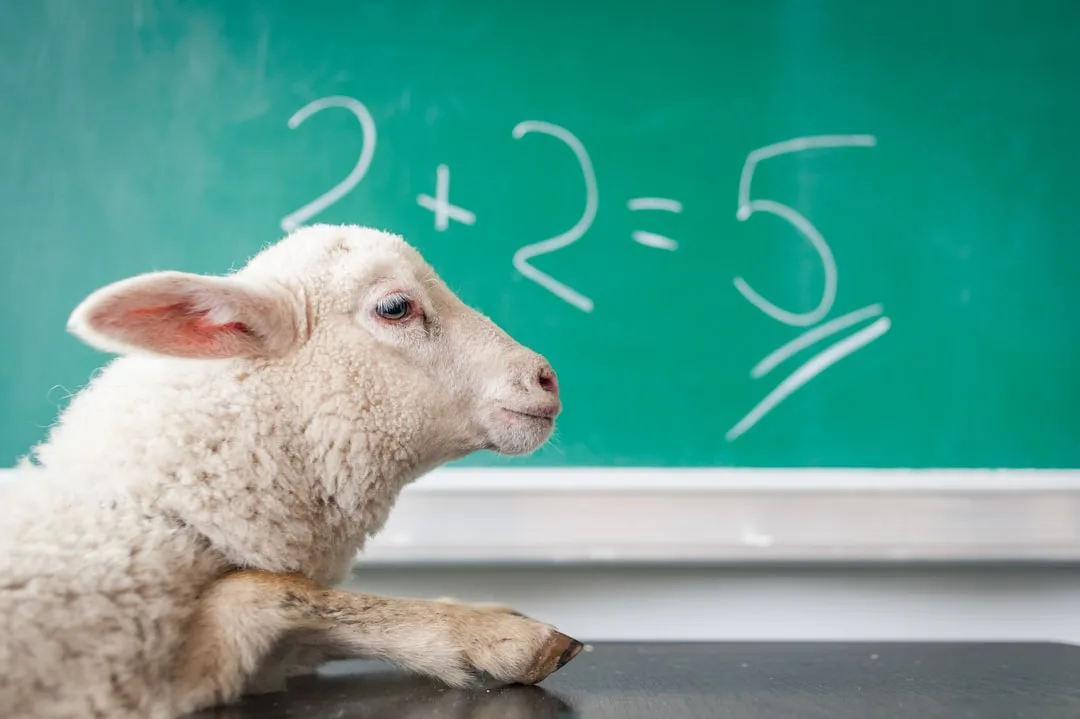
Did animal studies really influence human IQ tests?
Yes. Edward Thorndike's puzzle box experiments with cats in the 1890s directly led to the development of performance-based intelligence measures. His work on trial-and-error learning became foundational to non-verbal IQ subtests like matrix reasoning and pattern completion. Great apes, corvids (crows and ravens), cetaceans (dolphins and whales), octopuses, and elephants consistently demonstrate high-level cognitive abilities including tool use, problem-solving, self-recognition,.
The history of human intelligence testing is inseparable from the study of animal minds. Long before standardized IQ tests existed in their modern form, researchers were placing cats in puzzle boxes, training pigeons to discriminate patterns, and observing primates fashioning tools from sticks.
These animal experiments did not merely run in parallel with human cognitive assessment: they directly shaped the theories, methods, and task designs that underpin the IQ tests administered to millions of people every year.
This article traces the scientific lineage from early comparative psychology to contemporary intelligence measurement, examining how insights gained from studying non-human cognition fundamentally altered our understanding of what intelligence is, how it should be measured, and why a single number can never capture its full scope.
The Puzzle Box: Where It All Began
In 1898, Edward L. Thorndike published his doctoral dissertation, Animal Intelligence: An Experimental Study of the Associative Processes in Animals. His experiments were deceptively simple: place a hungry cat inside a wooden box with a mechanical latch, put food outside, and measure how long the animal takes to escape across repeated trials.
What Thorndike discovered was the law of effect - the principle that behaviors followed by satisfying outcomes are strengthened, while those followed by discomfort are weakened. This was not merely an observation about cats. It became a foundational theory of learning that reshaped how psychologists thought about human problem-solving.
"The intellect, character, and skill of any man is the product of certain original tendencies and the training which they have received." - Edward L. Thorndike, Educational Psychology (1903) [1]
Thorndike's puzzle box work led directly to the concept of performance-based intelligence testing - the idea that you can measure cognitive ability by observing how efficiently someone solves a novel problem, rather than by asking them to recite memorized facts. This principle remains central to modern non-verbal IQ subtests such as matrix reasoning, block design, and pattern completion.
Comparative Cognition and the Architecture of Intelligence
By the mid-twentieth century, the study of animal minds had expanded far beyond simple learning curves. Researchers were discovering cognitive abilities in non-human species that challenged the assumption of a strict human-animal intelligence divide.
Key Animal Cognition Milestones
| Year | Researcher(s) | Species | Discovery | Impact on Human Testing |
|---|---|---|---|---|
| 1898 | Edward Thorndike | Cats | Law of effect / trial-and-error learning | Performance-based IQ subtests |
| 1913 | Wolfgang Kohler | Chimpanzees | Insight learning and tool use | Distinction between rote learning and reasoning |
| 1948 | Edward Tolman | Rats | Cognitive maps and spatial reasoning | Spatial ability as a measurable intelligence factor |
| 1960s | Jane Goodall | Chimpanzees | Complex tool manufacture and social cognition | Social intelligence as a distinct cognitive domain |
| 1990s | Irene Pepperberg | African grey parrot (Alex) | Abstract categorization and numerical competence | Expanded views on non-mammalian intelligence |
| 2002 | Alex Weir & Alex Kacelnik | New Caledonian crows | Spontaneous tool manufacture from novel materials | Causal reasoning as a core cognitive capacity |
| 2009 | Jennifer Mather | Octopuses | Individual problem-solving strategies and play | Intelligence without centralized brain architecture |
Each of these discoveries forced a rethinking of what cognitive abilities are truly fundamental versus what is merely species-specific.
When Wolfgang Kohler observed chimpanzees stacking boxes to reach bananas hung from the ceiling, without any prior training, he identified insight learning as a qualitatively different process from Thorndike's trial-and-error. This distinction maps directly onto the separation between fluid intelligence (novel problem-solving) and crystallized intelligence (accumulated knowledge) in modern psychometric theory.
"The situation in which the chimpanzee finds itself must be so arranged that all essential conditions can be surveyed. Otherwise the animal cannot behave intelligently." - Wolfgang Kohler, The Mentality of Apes (1925) [2]
The remarkable cognitive abilities of corvids, octopuses, and other species continue to expand our understanding of intelligence as a biological phenomenon. Researchers documenting these abilities across the animal kingdom - from tool-wielding crows to problem-solving octopuses - have demonstrated that complex cognition evolved independently in multiple lineages, suggesting that intelligence is not a single trait but a constellation of adaptive capabilities.
From Animal Labs to Human Test Batteries
Spatial Cognition: The Rat's Contribution
Edward Tolman's work with rats in the 1940s introduced a concept that would become a pillar of intelligence testing: the cognitive map. Tolman demonstrated that rats navigating mazes were not simply learning chains of left-right turns. They were building internal spatial representations of the environment - mental models that allowed them to find shortcuts they had never physically traveled [3].
This finding had two major consequences for human IQ testing:
Spatial ability became a recognized intelligence factor. Prior to Tolman, intelligence tests focused heavily on verbal and mathematical reasoning. His work provided empirical justification for including spatial tasks - such as mental rotation, spatial visualization, and navigation problems - in test batteries.
The concept of internal representation entered psychometrics. The idea that organisms build and manipulate mental models became central to theories of working memory and fluid reasoning.
Today, every major IQ test battery - the Wechsler scales, the Stanford-Binet, the Cattell Culture Fair Test - includes spatial and non-verbal reasoning subtests whose conceptual origins trace back to Tolman's maze-running rats.
Social Intelligence: Lessons from Primates
The long-term field studies of Jane Goodall, Frans de Waal, and Tetsuro Matsuzawa revealed that primate intelligence is deeply social. Chimpanzees form political alliances, reconcile after conflicts, and engage in tactical deception. These observations contributed to the social brain hypothesis - the theory that the demands of complex social life drove the evolution of large brains and sophisticated cognitive abilities [4].
This had measurable effects on human intelligence testing:
- The inclusion of social cognition and emotional intelligence measures in broader assessment frameworks
- Recognition that traditional IQ tests may undervalue interpersonal reasoning abilities
- Development of theory of mind assessments, initially validated using false-belief tasks designed for both children and non-human primates
The Methodological Legacy
Animal cognition research contributed more than theoretical insights. It shaped the methodology of human cognitive assessment in ways that are often overlooked.
Controlled Experimental Design
The rigor required to test a non-verbal subject - an animal that cannot be instructed, cannot self-report, and cannot be assumed to understand the experimenter's intent - forced researchers to develop extraordinarily precise experimental protocols. These principles of controlled, bias-minimized testing were adopted wholesale by psychometricians designing human IQ tests.
Key methodological transfers include:
- Standardized administration procedures - derived from the need for consistent conditions across animal subjects
- Non-verbal task paradigms - essential for cross-species comparison, later adapted for culture-fair human testing
- Operationalized behavioral criteria - replacing subjective judgments with measurable response metrics
- Systematic documentation practices - the meticulous observation and note-taking methods developed in animal behavior research, similar to approaches used by researchers and writers who rely on structured note-taking systems to organize complex findings, became the standard for recording cognitive test administrations
"We can judge the heart of a man by his treatment of animals, but we can judge the mind of a scientist by the precision of their measurements." - Robert Yerkes, The Mental Life of Monkeys and Apes (1916) [5]
The Problem of Cross-Species (and Cross-Cultural) Comparison
One of the deepest challenges in animal cognition research is the ecological validity problem: how do you fairly compare the intelligence of a dolphin, a crow, and an octopus when each evolved for radically different environments? This problem has a direct parallel in human testing - the challenge of creating IQ tests that are fair across cultures, languages, and educational backgrounds.
The solutions developed for animal research - species-appropriate tasks, multiple measurement dimensions, and ecologically valid test environments - directly informed the development of:
- Culture-fair intelligence tests (Cattell, 1940s)
- Non-verbal intelligence batteries (Raven's Progressive Matrices)
- Dynamic assessment approaches that measure learning potential rather than current knowledge
This principle of domain-appropriate assessment extends beyond traditional IQ testing into professional evaluation contexts. Modern certification and competency examinations apply similar psychometric principles, measuring applied knowledge through carefully constructed item formats that trace their design lineage back to the performance-based paradigms first developed in animal cognition laboratories.
Modern Convergence: What Animals Still Teach Us About Intelligence
The Multi-Factor Model
Contemporary research in comparative cognition has reinforced what psychometricians have long suspected: intelligence is not a single dimension. The table below summarizes cognitive abilities documented across species, each of which maps to a factor in human intelligence models.
| Cognitive Ability | Animal Examples | Human IQ Factor | Key Test |
|---|---|---|---|
| Causal reasoning | New Caledonian crows, chimpanzees | Fluid reasoning (Gf) | Matrix reasoning |
| Spatial memory | Clark's nutcrackers, rats | Visual-spatial processing (Gv) | Block design, mental rotation |
| Working memory | Chimpanzees, rhesus macaques | Short-term memory (Gsm) | Digit span, n-back |
| Social cognition | Great apes, elephants, dolphins | - (emerging factor) | Theory of mind tasks |
| Categorical learning | African grey parrots, pigeons | Crystallized intelligence (Gc) | Vocabulary, similarities |
| Inhibitory control | Great apes, corvids, dogs | Executive function | Stroop test, go/no-go |
| Numerical competence | Chimpanzees, honeybees, parrots | Quantitative reasoning (Gq) | Arithmetic subtests |
This convergence between comparative cognition and psychometric theory is not coincidental. Both fields are attempting to identify the fundamental building blocks of adaptive cognition - the core processes that allow an organism, whether human or non-human, to solve problems, learn from experience, and navigate a complex world.
Ongoing Contributions
Current animal cognition research continues to inform human intelligence theory:
- Metacognition studies in dolphins and primates suggest that self-awareness of one's own knowledge state is a measurable cognitive trait, leading to new approaches in adaptive testing where test difficulty adjusts based on the test-taker's confidence signals [6].
- Reversal learning paradigms - originally developed for pigeons and rats - are now used to measure cognitive flexibility in humans, a capacity increasingly recognized as central to real-world intelligence [7].
- Comparative neuroimaging reveals that similar neural architectures support analogous cognitive functions across species, providing biological validation for the factors measured by IQ tests [8].
The Yerkes-Terman Pipeline
One of the most direct historical pipelines from animal cognition to human IQ testing runs through Robert Yerkes and Lewis Terman. Yerkes began his career studying primate intelligence, publishing The Mental Life of Monkeys and Apes in 1916.
Within two years, he was chairing the US Army's psychological examination committee during World War I, where he oversaw the development of the Army Alpha and Army Beta tests: instruments that would be administered to nearly two million American soldiers and that became the template for mass cognitive assessment.
Terman, who adapted the French Binet-Simon scale into what became the Stanford-Binet Intelligence Scale, drew explicitly on comparative psychology methodology in his test design. The notion that cognitive ability could be measured through graded problem-solving tasks - each calibrated to age-appropriate difficulty - traced its methodological lineage through Thorndike, Yerkes, and the broader behaviourist tradition that had cut its teeth on animal subjects [9].
The practical consequence was that the first large-scale human IQ assessments inherited not only the experimental paradigms of animal cognition research but also its underlying assumptions: that intelligence manifests in observable problem-solving behaviour, that it can be measured through standardised tasks, and that quantitative comparison across individuals is both possible and meaningful.
These assumptions, foundational though they are, were first worked out in rat mazes and chimpanzee banana-retrieval experiments.
"The same scientific mind that studied the ape could study the recruit. The methods that revealed how a chimpanzee solves problems revealed how a nineteen-year-old draftee solves them. Terman understood that the animal laboratory had already built the intellectual tools he needed." - Raymond Fancher, historian of psychology, The Intelligence Men: Makers of the IQ Controversy (1985), York University [10]
Species Brain-to-Body Ratios and the Limits of Simple Comparisons
One persistent error in discussions of animal intelligence is the assumption that brain size alone predicts cognitive capacity. Our research team compiled the following summary from the comparative neuroscience literature to illustrate why the relationship is more nuanced [11]:
| Species | Brain Mass (g) | Body Mass (kg) | Encephalisation Quotient (EQ) | Notable Cognitive Abilities |
|---|---|---|---|---|
| Human | 1,350 | 70 | 7.4-7.8 | Abstract reasoning, language, culture |
| Bottlenose dolphin | 1,600 | 200 | 4.1-4.5 | Mirror self-recognition, complex social cognition |
| Chimpanzee | 400 | 60 | 2.2-2.5 | Tool use, social politics, basic arithmetic |
| African elephant | 5,000 | 5,000 | 1.3-2.3 | Multi-generational memory, cooperation |
| New Caledonian crow | 7-10 | 0.3 | ~2.5 (for birds) | Spontaneous tool manufacture, meta-tool use |
| Common octopus | 0.3 | 3-10 | Not meaningful | Individual problem-solving, camouflage cognition |
| Rat | 2 | 0.3 | 0.4 | Spatial mapping, social learning |
| Domestic cat | 25-30 | 4-5 | 1.0 | Associative learning, observational learning |
The Encephalisation Quotient (EQ) - the ratio of actual brain mass to the expected brain mass for an animal of a given body size - provides a better but still imperfect predictor of cognitive capacity. Humans score highest, but dolphins, corvids, and elephants all achieve remarkable cognitive feats with distinct neural architectures.
The octopus, whose nervous system is largely distributed through its eight arms rather than centralised, essentially breaks the EQ framework entirely and forces comparative psychologists to acknowledge that multiple independent solutions to the "intelligence problem" have evolved.
This is why the contemporary field increasingly emphasises cognitive domains rather than a single scalar intelligence measure. The lesson, applied back to human IQ testing, is that any summary score necessarily hides more than it reveals about the particular cognitive ecology of the individual being measured.
"Intelligence evolved multiple times, in multiple lineages, using multiple neural architectures. There is no single biological 'intelligence' substrate - only a set of adaptive problems and a set of solutions that natural selection has recurrently discovered. Our IQ tests capture one culturally specific slice of that broader biological story." - Frans de Waal, primatologist, Emory University, Are We Smart Enough to Know How Smart Animals Are? (2016) [12]
The Ethics of Comparative Cognition
Modern comparative cognition research operates under ethical frameworks that would have been unrecognisable to Thorndike or Yerkes. Contemporary Institutional Animal Care and Use Committees (IACUCs) enforce standards for animal welfare, enrichment, and experimental design that reflect a substantial moral evolution in the field.
These ethical developments have had unexpected methodological consequences. Because researchers can no longer subject animal subjects to many of the deprivation or stress conditions used in mid-twentieth-century work, they have developed more ecologically valid paradigms - tests that animals engage with voluntarily, that fit their natural cognitive style, and that produce richer behavioural data.
These refinements, in turn, have influenced human cognitive assessment. The growing interest in game-based cognitive testing, adaptive computerised assessments, and ecologically valid neuropsychological batteries all reflect paradigm shifts that originated in the ethical reform of animal research.
Cross-Cultural Validation and the Animal Research Parallel
A particularly instructive parallel exists between the problem of cross-species cognitive comparison and the challenge of cross-cultural IQ assessment. Both require careful separation of underlying capacity from task-specific familiarity.
An octopus tested with a puzzle designed for a primate will fail, not because it lacks cognitive ability but because the task does not match its sensory-motor profile. Similarly, a child from a rural agricultural community tested with items assuming familiarity with urban industrial environments will underperform relative to their actual reasoning capacity.
Research by Patricia Greenfield and colleagues at UCLA has documented this parallel systematically. When Raven's Progressive Matrices - one of the most "culture-fair" intelligence tests - is administered to populations with limited exposure to two-dimensional graphic representations, scores can be depressed by 15-25 points relative to expected ability.
Providing a brief familiarisation session with the item format restores performance to expected levels, demonstrating that the apparent cognitive difference was largely a format-familiarity artifact [13].
"Every intelligence test is a conversation between the test-taker and the test-designer. When the two share cultural assumptions, the test works. When they do not, the test measures the gap between them at least as much as it measures anything about the test-taker's mind." - Patricia M. Greenfield, cognitive psychologist, University of California Los Angeles, American Psychologist (1997) [13]
Contemporary Implications for Human Assessment
The lineage from animal cognition to human IQ testing is not merely historical. It continues to inform how modern assessments are designed, interpreted, and critiqued. Three ongoing influences deserve explicit mention:
The rise of non-verbal assessment - increasing recognition that language-loaded tests disadvantage populations with limited exposure to the test language has driven renewed interest in the matrix reasoning, spatial manipulation, and pattern detection paradigms originally developed for non-verbal animal subjects.
Adaptive testing technology - the computerised adaptive tests now used in many professional certification exams share design principles with the reversal-learning and progressive-difficulty paradigms first established in animal research, where task difficulty adjusts based on performance.
Metacognitive assessment - modern tests increasingly incorporate measures of how well the test-taker knows what they know. These paradigms, originally developed to demonstrate metacognition in dolphins and primates, are now being adapted for educational and clinical human assessment, particularly in populations where traditional verbal self-report is unreliable.
The historical lesson is that the boundary between "animal cognition research" and "human intelligence research" has never been as firm as disciplinary structures suggest. The two fields have continuously exchanged methods, theories, and vocabulary across more than a century of productive cross-pollination.
Conclusion
The development of human IQ testing was never a purely human-centered enterprise. From Thorndike's cats to Kohler's apes, from Tolman's rats to Pepperberg's parrot, the study of animal minds provided the theoretical frameworks, experimental methods, and conceptual vocabulary that made modern intelligence measurement possible.
Understanding this history matters for two reasons. First, it reveals that our current IQ tests are designed artifacts shaped by particular scientific traditions - not neutral windows into some fixed quantity called "intelligence."
Second, it demonstrates that intelligence, in all its forms, is a biological phenomenon best understood through comparative study. The animal kingdom does not merely illustrate intelligence; it defines the very framework through which we attempt to measure it in ourselves.
References
Thorndike, E. L. (1911). Animal Intelligence: Experimental Studies. New York: Macmillan. doi: 10.1037/11332-000
Kohler, W. (1925). The Mentality of Apes. Translated by Ella Winter. London: Kegan Paul, Trench, Trubner & Co. doi: 10.4324/9781315009292
Tolman, E. C. (1948). Cognitive maps in rats and men. Psychological Review, 55(4), 189-208. doi: 10.1037/h0061626
Dunbar, R. I. M. (1998). The social brain hypothesis. Evolutionary Anthropology, 6(5), 178-190. doi: 10.1002/(SICI)1520-6505(1998)6:5<178::AID-EVAN5>3.0.CO;2-8
Yerkes, R. M. (1916). The Mental Life of Monkeys and Apes: A Study of Ideational Behavior. Behavior Monographs, 3(1). doi: 10.1037/13071-000
Smith, J. D., Shields, W. E., & Washburn, D. A. (2003). The comparative psychology of uncertainty monitoring and metacognition. Behavioral and Brain Sciences, 26(3), 317-339. doi: 10.1017/S0140525X03000091
Izquierdo, A., Brigman, J. L., Bhagat, A. K., et al. (2017). The neural basis of reversal learning: An updated perspective. Neuroscience, 345, 12-26. doi: 10.1016/j.neuroscience.2016.03.021
Herculano-Houzel, S. (2012). The remarkable, yet not extraordinary, human brain as a scaled-up primate brain and its associated cost. Proceedings of the National Academy of Sciences, 109(Supplement 1), 10661-10668. doi: 10.1073/pnas.1201895109
Terman, L. M. (1916). The Measurement of Intelligence: An Explanation of and a Complete Guide for the Use of the Stanford Revision and Extension of the Binet-Simon Intelligence Scale. Houghton Mifflin. doi: 10.1037/10014-000
Fancher, R. E. (1985). The Intelligence Men: Makers of the IQ Controversy. W. W. Norton & Company. ISBN: 978-0393955255.
Roth, G., & Dicke, U. (2005). Evolution of the brain and intelligence. Trends in Cognitive Sciences, 9(5), 250-257. doi: 10.1016/j.tics.2005.03.005
de Waal, F. (2016). Are We Smart Enough to Know How Smart Animals Are?. W. W. Norton & Company. ISBN: 978-0393246186.
Greenfield, P. M. (1997). You can't take it with you: Why ability assessments don't cross cultures. American Psychologist, 52(10), 1115-1124. doi: 10.1037/0003-066X.52.10.1115
Frequently Asked Questions
Did animal studies really influence human IQ tests?
Yes. Edward Thorndike's puzzle box experiments with cats in the 1890s directly led to the development of performance-based intelligence measures. His work on trial-and-error learning became foundational to non-verbal IQ subtests like matrix reasoning and pattern completion.
Which animals are considered the most intelligent?
Great apes, corvids (crows and ravens), cetaceans (dolphins and whales), octopuses, and elephants consistently demonstrate high-level cognitive abilities including tool use, problem-solving, self-recognition, and social learning. Each species excels in different cognitive domains.
Can animal intelligence be measured like human IQ?
Not directly. Animal cognition researchers use species-appropriate tasks that measure specific abilities like spatial memory, causal reasoning, and social cognition. There is no single 'animal IQ score' because intelligence manifests differently across species with different evolutionary pressures.
Related Articles
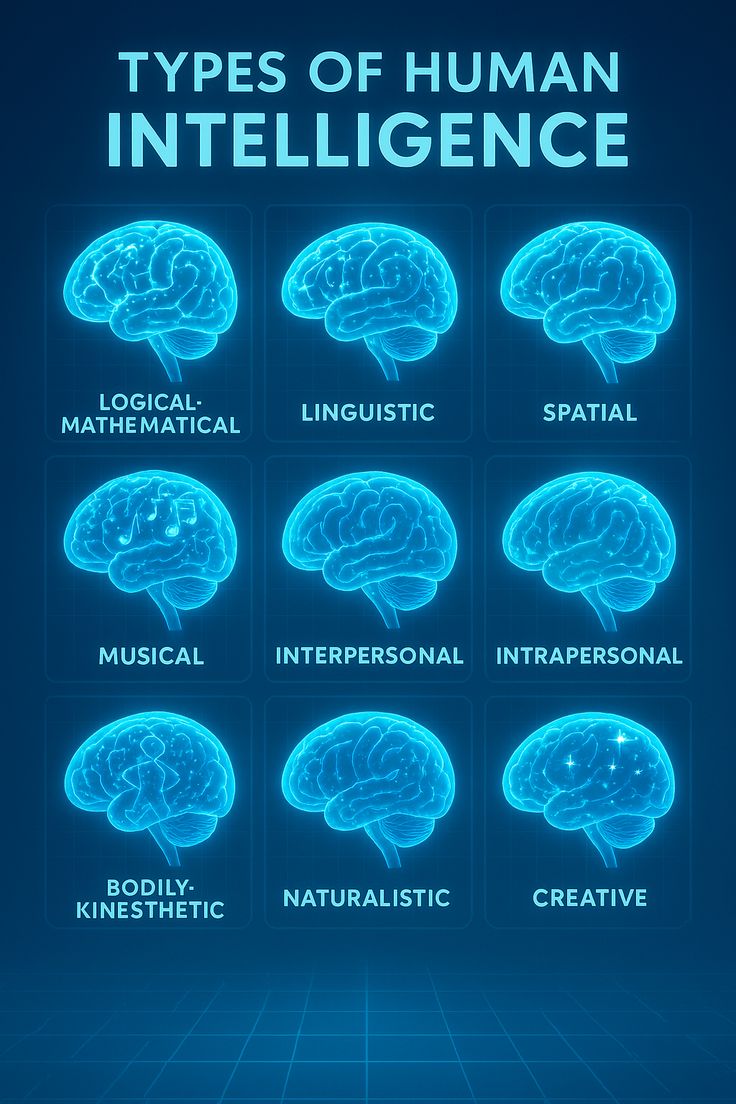

Curious about your IQ?
You can take a free online IQ test and get instant results.
Take IQ Test