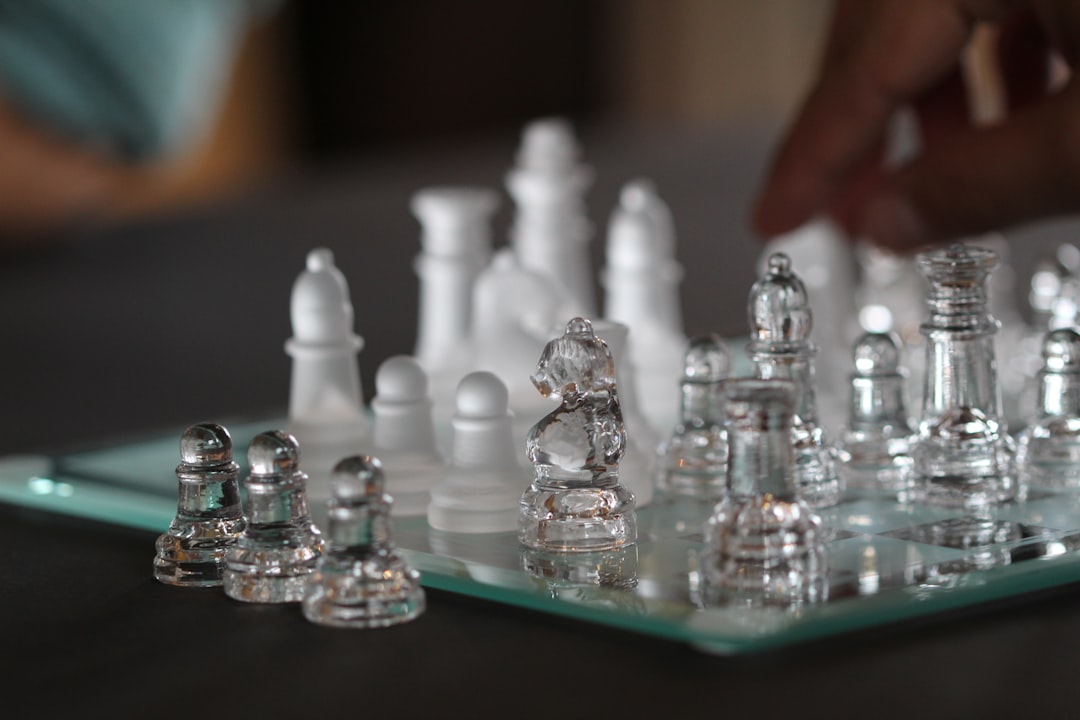
Introduction to Chess and Cognitive Training
Chess is often celebrated as the ultimate game of strategy and intellect, demanding a unique blend of mental skills that few other activities require. The ability to think several moves ahead, anticipate an opponent's tactics, and adapt to changing scenarios makes chess an exceptional exercise in strategic thinking and cognitive training. Many wonder how chess grandmasters develop such extraordinary mental agility and whether their methods can be applied to everyday brain training.
In this article, we will explore how to train your brain like a chess grandmaster, diving deep into the cognitive processes behind chess mastery and revealing practical techniques to enhance your mental performance. From understanding the neurological basis of chess expertise to actionable training routines, this guide offers a comprehensive approach to mental training that transcends the chessboard.
Whether you're a beginner curious about chess training or an advanced player seeking to sharpen your mind, this article will provide valuable insights into developing your brain's potential through the lens of chess.
The Cognitive Foundations of Chess Mastery
Chess mastery is not merely about memorizing openings or tactics; it fundamentally relies on enhanced cognitive abilities such as working memory, pattern recognition, and problem-solving. The intelligence quotient (IQ) concept helps us understand the general mental capacity involved, but chess expertise taps into specific cognitive domains that can be trained and refined.
At the core, chess grandmasters exhibit superior working memory—the ability to hold and manipulate information temporarily. This allows them to visualize complex board positions and forecast potential moves without physically moving pieces. Additionally, their pattern recognition skills enable them to quickly identify familiar configurations, reducing cognitive load and speeding decision-making.
Research in cognitive psychology shows that these abilities are not fixed traits but can be enhanced through deliberate practice and targeted exercises. This means that with the right mental training, anyone can improve their strategic thinking and problem-solving skills, much like chess grandmasters do.
Key Insight: The brain's plasticity allows for significant improvements in cognitive functions through structured chess training, which can also benefit other areas requiring strategic thought.
To measure your current cognitive abilities and track progress, you can take our full IQ test, which evaluates multiple domains relevant to chess skills, including memory, reasoning, and spatial awareness.
How Chess Training Enhances Strategic Thinking
One of the most compelling reasons to engage in chess training is its profound impact on strategic thinking. Chess requires players to anticipate consequences, weigh alternatives, and formulate long-term plans—skills that are transferable to many real-world situations.
Strategic thinking in chess involves both tactical and positional considerations. Tactical thinking focuses on immediate threats and opportunities, such as capturing pieces or defending key squares. Positional thinking, on the other hand, requires a broader understanding of piece placement and control over the board, often involving subtle maneuvers that pay off in the long run.
Training to develop these skills involves studying classic games, solving chess puzzles, and simulating scenarios that challenge your decision-making under pressure. This process enhances your ability to analyze complex situations, a cognitive skill that is valuable beyond chess.
Moreover, practicing timed games helps improve your ability to think quickly and accurately, fostering mental agility. You can experience this by trying our timed IQ test, which simulates pressure conditions similar to timed chess matches.
Key Takeaway: Regular chess training cultivates a mindset of foresight and adaptability, essential components of effective strategic thinking.
The Role of Memory and Pattern Recognition in Chess
Memory plays a pivotal role in chess expertise, particularly in the form of pattern recognition. Grandmasters do not memorize every possible move but instead recognize familiar patterns that guide their decisions rapidly and efficiently.
This form of memory is often described as chunking, where players group complex information into meaningful units. For example, a common pawn structure or a tactical motif becomes instantly recognizable, allowing the player to recall associated strategies without exhaustive calculation.
Training your brain to improve pattern recognition involves repetitive exposure to diverse chess positions and puzzles. This can be complemented by cognitive exercises that enhance visual memory and recall speed.
However, a common misconception is that memorization alone leads to mastery. While memory is important, the most critical factor is understanding the underlying principles and being able to adapt patterns to new situations.
To sharpen your memory and pattern recognition, you might consider our practice test, designed to improve cognitive flexibility and recall under varied conditions.
Developing Mental Endurance and Focus Through Chess
Chess games, especially at competitive levels, demand sustained mental endurance and intense focus. Players often spend hours concentrating on complex positions, requiring the brain to maintain high levels of alertness and resist distractions.
Mental endurance is closely linked to executive functions such as attention control and cognitive stamina. Training these faculties through chess involves gradually increasing the duration and complexity of practice sessions, simulating tournament conditions.
Mindfulness techniques and focused breathing can also enhance concentration, helping players maintain clarity during long matches. Additionally, balancing rest and practice is essential to prevent cognitive fatigue.
The benefits of improved mental endurance extend beyond chess, enhancing productivity and decision-making in everyday life. For those interested in measuring their attention and processing speed, our quick IQ assessment offers a fast evaluation that can highlight areas for improvement.
Insight: Building mental endurance is a gradual process that requires consistent effort and strategic rest to maximize brain performance.
Practical Chess Training Techniques to Boost Cognitive Skills
Implementing effective chess training routines is key to developing the brain like a grandmaster. Here are some proven techniques:
- Solve Tactical Puzzles Daily: Regularly engaging with tactical problems improves calculation skills and pattern recognition.
- Analyze Master Games: Studying grandmaster games helps understand strategic concepts and decision-making processes.
- Play Timed Matches: Playing under time constraints enhances quick thinking and pressure management.
- Use Visualization Exercises: Practice visualizing moves without a board to strengthen working memory.
- Review Your Games: Reflecting on mistakes and successes promotes adaptive learning.
These methods foster a holistic cognitive training approach, improving memory, reasoning, and strategic planning. Incorporating such exercises into your routine can accelerate your mental growth.
For a comprehensive evaluation of your cognitive progress, consider taking our full IQ test, which assesses multiple mental faculties relevant to chess mastery.
Common Misconceptions About Chess and Intelligence
A widespread belief is that chess players are inherently more intelligent or that playing chess increases IQ dramatically. While chess does engage many cognitive skills, intelligence is multifaceted and influenced by various factors beyond chess expertise.
Another misconception is that only natural talent leads to grandmaster status. In reality, deliberate practice, motivation, and effective training strategies play a more significant role than innate ability alone.
Some also assume that chess training benefits are limited to the game itself. However, studies indicate that the cognitive training involved in chess can transfer to other domains, such as problem-solving, memory, and even academic performance.
Understanding these nuances helps set realistic expectations and encourages a growth mindset, emphasizing effort and learning over fixed intelligence.
Critical Warning: Avoid equating chess skill with overall intelligence; instead, view chess as a tool to enhance specific cognitive abilities.
Measuring Your Cognitive Progress and Next Steps
Tracking your cognitive development is essential to ensure your training is effective. Using standardized assessments like IQ tests can provide objective feedback on areas such as memory, reasoning, and processing speed.
You can try our practice test to familiarize yourself with cognitive challenges and identify strengths and weaknesses. For a more rigorous evaluation, take our full IQ test to gain a detailed profile of your mental abilities.
Integrating feedback from these assessments into your chess training can help tailor exercises to target specific cognitive domains, optimizing your progress.
Additionally, maintaining a balanced lifestyle with adequate sleep, nutrition, and physical exercise supports brain health, complementing your mental training efforts.
Final Thought: Consistent measurement and adaptation are key to training your brain like a chess grandmaster, enabling continuous growth and enhanced strategic thinking.
Conclusion: Embrace Chess as a Path to Cognitive Excellence
Training your brain like a chess grandmaster is a journey that combines strategic thinking, memory enhancement, and mental endurance. By understanding the cognitive foundations of chess and applying targeted training techniques, you can significantly boost your mental agility and problem-solving skills.
Remember, chess is not just a game but a powerful tool for cognitive training that can enrich your intellectual life far beyond the board. Whether you are starting with basic exercises or aiming for advanced mastery, integrating chess into your mental routine offers a rewarding path to brain fitness.
To begin or deepen your cognitive journey, consider engaging with our variety of assessments such as the quick IQ assessment for rapid evaluation or the timed IQ test to simulate pressure scenarios.
Embrace the challenge, and let chess guide you toward enhanced intelligence and sharper strategic thinking.
For further reading on the science of intelligence and cognitive abilities, explore the cognitive ability and working memory articles on Wikipedia, or visit the American Psychological Association's resources on intelligence. The Britannica entry on intelligence also offers a comprehensive overview.
Recommended Reading
Hand-picked books on intelligence, memory, and cognition. As an Amazon Associate we earn from qualifying purchases at no cost to you.

Frequently Asked Questions
How can beginners start training their brain like a chess grandmaster?
Beginners should start by learning basic chess rules and strategies, then progressively engage in solving tactical puzzles and analyzing simple games. Incorporating consistent practice and gradually increasing difficulty helps build foundational cognitive skills such as memory and strategic thinking.
Does playing chess regularly improve IQ scores?
While chess enhances specific cognitive functions like problem-solving and pattern recognition, it does not directly increase overall IQ scores significantly. However, the mental training involved can improve performance on certain IQ test components related to reasoning and memory.
What are the best exercises to improve pattern recognition in chess?
Solving diverse chess puzzles, reviewing classic games, and practicing visualization exercises are effective ways to enhance pattern recognition. Repeated exposure to common tactical motifs and strategic positions helps the brain develop faster and more accurate recognition.
How important is mental endurance in competitive chess?
Mental endurance is crucial in competitive chess as games can last several hours, requiring sustained focus and decision-making under pressure. Developing this endurance through longer practice sessions and mindfulness techniques can improve performance and reduce errors caused by fatigue.
Can cognitive training from chess transfer to other areas of life?
Yes, the cognitive skills developed through chess, such as strategic thinking, memory, and attention control, can transfer to academic, professional, and everyday problem-solving contexts. Chess serves as a practical tool for enhancing general cognitive flexibility.
How can I measure if my brain training through chess is effective?
Regularly assessing your cognitive abilities using standardized tests, like IQ assessments, can help track improvements. Using tools such as our [practice test](/en/practice-test) or [full IQ test](/en/full-test) provides objective feedback on memory, reasoning, and processing speed relevant to chess skills.
Is natural talent more important than practice in becoming a chess grandmaster?
While natural aptitude can provide an advantage, research emphasizes that deliberate, focused practice and effective training strategies are far more critical in achieving grandmaster-level skill. Motivation and learning mindset often outweigh innate talent.
What role does working memory play in chess performance?
Working memory enables players to hold and manipulate multiple potential moves and board configurations simultaneously, which is essential for deep calculation and planning. Strengthening working memory through chess and related cognitive exercises enhances overall game performance.
Related Articles
Curious about your IQ?
You can take a free online IQ test and get instant results.
Take IQ Test