
Understanding Gifted Children: Defining Giftedness
Gifted children are often described as those who demonstrate exceptional intellectual abilities or talents significantly beyond their age peers. However, defining what it means to be gifted can be complex, as giftedness encompasses a range of cognitive, creative, and social-emotional traits. The concept of giftedness is closely tied to the intelligence quotient (IQ), but it also includes other dimensions such as creativity, motivation, and leadership skills. Recognizing giftedness early is crucial for providing appropriate educational opportunities and emotional support.
The term "gifted" generally applies to children who score in the top few percentiles on standardized cognitive assessments, typically with an IQ score above 130. Yet, giftedness is not solely about high IQ scores; it also involves asynchronous development, where intellectual abilities may outpace emotional or social maturity. This mismatch can sometimes lead to challenges in school and social settings, making it essential to approach giftedness with a holistic perspective.
Understanding gifted children requires acknowledging the diversity within this group. Some gifted kids excel academically, while others may show talents in arts, music, or problem-solving. The American Psychological Association emphasizes that giftedness is multifaceted and that educational systems need to consider these variations to foster each child's potential effectively.
Key Insight: Gifted children are not a monolith; their abilities and needs vary widely, requiring tailored identification and support strategies.
Recognizing Signs of Giftedness in Children
Identifying gifted children early can be challenging because their signs may overlap with typical developmental behaviors or even with behavioral issues. Common signs include rapid learning, advanced vocabulary, intense curiosity, and exceptional memory. Gifted kids often ask complex questions and show deep interest in abstract concepts at an early age.
However, gifted children may also exhibit traits such as perfectionism, sensitivity, or frustration when tasks are too easy or unchallenging. These emotional responses can sometimes be mistaken for behavioral problems. For example, a gifted child may become bored in class, leading to inattentiveness or disruptive behavior, which educators might misinterpret without understanding the underlying cause.
Parents and teachers should watch for signs such as:
- Early reading and language skills
- Ability to solve problems creatively
- Strong focus and persistence on interests
- Heightened sensitivity to social or ethical issues
- Preference for older peers or adults
These indicators, combined with observations over time, help build a clearer picture of a child’s giftedness. It is important to note that giftedness can manifest differently depending on cultural and environmental contexts, so a one-size-fits-all checklist is insufficient.
Practical Tip: Keeping a journal of observed behaviors and learning milestones can assist professionals during the gifted testing process.
Gifted Testing: How and Why It’s Done
Gifted testing is a formal process designed to assess a child's cognitive abilities and identify exceptional intellectual potential. These assessments often include standardized IQ tests, achievement tests, and sometimes creativity or problem-solving evaluations. The goal is to obtain an objective measure that supports educational placement and individualized learning plans.
Standard IQ tests, such as the Wechsler Intelligence Scale for Children (WISC), evaluate various cognitive domains including verbal comprehension, working memory, and processing speed. These tests provide a composite IQ score that helps determine if a child qualifies for gifted programs. However, testing should never be the sole criterion; qualitative data from teachers and parents are equally important.
Using our free online assessments, such as the full IQ test or the quick IQ assessment, can provide preliminary insights into a child's cognitive profile. These tools are designed to be engaging and accessible, offering a snapshot of intellectual strengths and areas for growth. For more practice and preparation, the practice test is a great resource to familiarize children with test formats.
Common Misconception: Gifted testing is not about labeling children but about understanding their needs to provide appropriate educational support.
The testing process also helps uncover twice-exceptional children, who are gifted but also face learning disabilities or emotional challenges. Recognizing these complexities ensures that support strategies are comprehensive and effective.
Supporting Gifted Kids Without Causing Burnout
Supporting gifted children requires a delicate balance between challenging their intellect and nurturing their emotional well-being. Burnout is a significant risk when gifted kids face excessive pressure to perform or when their interests are stifled by rigid academic environments. To prevent this, caregivers and educators must adopt strategies that promote healthy development.
One effective approach is differentiated instruction, which adapts learning activities to a child’s readiness level and interests. This method helps maintain engagement without overwhelming the child. Additionally, encouraging extracurricular pursuits such as arts, sports, or social clubs provides outlets for creativity and stress relief.
Emotional support is equally vital. Gifted children may experience heightened sensitivity and perfectionism, which can lead to anxiety or social isolation. Open communication, counseling resources, and peer groups for gifted kids can foster resilience and self-acceptance.
Practical tips to avoid burnout include:
- Setting realistic expectations and celebrating effort over perfection
- Allowing downtime and unstructured play
- Encouraging goal-setting aligned with personal interests
- Monitoring for signs of stress or withdrawal
Important Note: Supporting gifted kids is not about pushing them harder but about nurturing their whole person, including social and emotional health.
Educational Strategies and Gifted Education Programs
Gifted education programs aim to provide tailored learning experiences that challenge and inspire gifted children. These programs vary widely, from pull-out classes and enrichment activities to full-time gifted academies. The key is to match the program type to the child’s unique profile and needs.
Acceleration is one common strategy, allowing children to move through curriculum at a faster pace. However, acceleration should be carefully considered to ensure social and emotional readiness. Enrichment programs, on the other hand, deepen knowledge without necessarily speeding up progression, offering opportunities for creative projects and interdisciplinary learning.
Teachers trained in gifted education employ techniques such as:
- Curriculum compacting to eliminate redundancy
- Inquiry-based learning to foster critical thinking
- Collaborative projects to develop social skills
- Use of technology to provide individualized challenges
Parents and educators can collaborate by sharing observations and adjusting goals as the child grows. Using assessments like our timed IQ test can help track cognitive development over time and inform instructional decisions.
Educational Insight: No single program fits all gifted learners; flexibility and responsiveness are essential for success.
Common Challenges and Misconceptions About Giftedness
Despite growing awareness, many misconceptions about gifted children persist. One widespread myth is that gifted kids do not need help because they will succeed on their own. In reality, gifted children often face unique challenges such as social isolation, asynchronous development, and underachievement due to boredom or lack of motivation.
Another misconception is that giftedness guarantees emotional stability or happiness. Gifted children can be vulnerable to anxiety, depression, and stress, especially if their environment does not meet their intellectual and emotional needs. This highlights the importance of comprehensive support beyond academics.
Parents may also struggle with identifying giftedness if a child is introverted or has learning difficulties. Giftedness can coexist with conditions like ADHD or dyslexia, which complicates identification and intervention. Understanding this complexity helps avoid mislabeling or overlooking gifted children.
Misconception Alert: Giftedness is not synonymous with perfection or effortless success; it requires ongoing nurturing and understanding.
Educators and parents should seek professional guidance when in doubt and consider multiple sources of information, including standardized testing and behavioral observations, to form a complete picture.
How to Foster Lifelong Growth and Well-being in Gifted Kids
Supporting gifted children is a lifelong journey that extends beyond early education. Fostering a growth mindset, where challenges are seen as opportunities for learning rather than threats, is crucial. Encouraging curiosity, resilience, and adaptability prepares gifted kids for varied life paths.
Parents and educators can model positive attitudes toward failure and emphasize the value of effort. Providing opportunities for leadership, collaboration, and community involvement helps gifted children develop social skills and empathy.
It is also important to monitor for signs of burnout or disengagement throughout adolescence. Regular check-ins, counseling support, and flexible educational plans can help maintain balance. Using tools like our practice test periodically can motivate children to track their progress and set new goals.
Lifelong Perspective: Giftedness is a dynamic trait that flourishes with ongoing support, challenge, and care.
By nurturing both intellectual abilities and emotional health, caregivers can help gifted children realize their full potential without sacrificing well-being.
Conclusion: Embracing the Gifted Journey with Care and Insight
Gifted children represent a remarkable blend of potential and complexity. Understanding the signs of giftedness, utilizing thoughtful testing methods, and providing supportive educational environments are essential steps toward helping these children thrive. Equally important is the commitment to prevent burnout by balancing challenge with emotional care.
As you navigate this journey, remember that giftedness is not a fixed label but a dynamic process requiring flexibility and empathy. You can explore more about cognitive abilities and measure intellectual strengths by trying our full IQ test or engaging with a timed IQ test to better understand your child's unique profile.
Final Thought: The most critical factor in supporting gifted kids is fostering a nurturing environment where their talents and well-being grow hand in hand.
For further reading on the science of intelligence and cognitive development, authoritative sources such as the American Psychological Association, Britannica's intelligence entry, and the Wikipedia page on cognitive ability offer valuable insights.
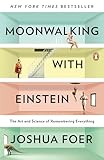
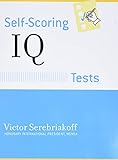
Recommended Reading
Hand-picked books on intelligence, memory, and cognition. As an Amazon Associate we earn from qualifying purchases at no cost to you.


Frequently Asked Questions
How can parents differentiate between giftedness and advanced development in young children?
Parents can differentiate giftedness from typical advanced development by observing consistent high-level cognitive skills across multiple domains, such as language, problem-solving, and memory, rather than isolated talents. Giftedness often includes intense curiosity, rapid learning, and asynchronous development, which means intellectual abilities may outpace emotional or social maturity. Professional gifted testing combined with teacher observations can provide a clearer distinction.
What are the best practices for preparing a child for gifted testing without causing anxiety?
Best practices include framing the testing experience as a fun and exploratory activity rather than a high-stakes exam. Parents should avoid placing pressure on performance and instead encourage curiosity and effort. Using informal assessments like a [practice test](/en/practice-test) can familiarize the child with test formats, reducing anxiety. Ensuring the child is well-rested and relaxed on test day also supports optimal performance.
Can gifted children experience social challenges, and how can these be addressed?
Yes, gifted children often face social challenges such as feeling isolated from peers or struggling with asynchronous development. These challenges can be addressed by encouraging participation in peer groups with similar interests, fostering social skills through counseling or group activities, and promoting emotional intelligence. Schools and parents can facilitate connections with other gifted children to build supportive friendships.
How do twice-exceptional children differ in gifted testing and support needs?
Twice-exceptional children are gifted but also have learning disabilities or emotional challenges, which can mask or complicate giftedness identification. Their testing requires a comprehensive approach that assesses both strengths and weaknesses. Support plans must balance challenging their abilities while addressing disabilities, often involving specialized educational interventions and counseling.
What role does emotional support play in preventing burnout among gifted kids?
Emotional support is crucial in preventing burnout by helping gifted children manage perfectionism, anxiety, and stress. Providing a safe space for expression, teaching coping strategies, and maintaining balanced expectations reduce pressure. Encouraging hobbies and downtime fosters resilience and well-being, ensuring giftedness is a source of joy rather than burden.
Are IQ scores fixed, or can gifted children’s scores change over time?
IQ scores are relatively stable but can fluctuate due to factors like education, environment, and health. Gifted children’s scores may improve with enriched learning experiences or cognitive training. However, the relative ranking within the population tends to remain consistent. Periodic reassessment using tools such as a [timed IQ test](/en/timed-test) can track development over time.
Related Articles

Curious about your IQ?
You can take a free online IQ test and get instant results.
Take IQ Test