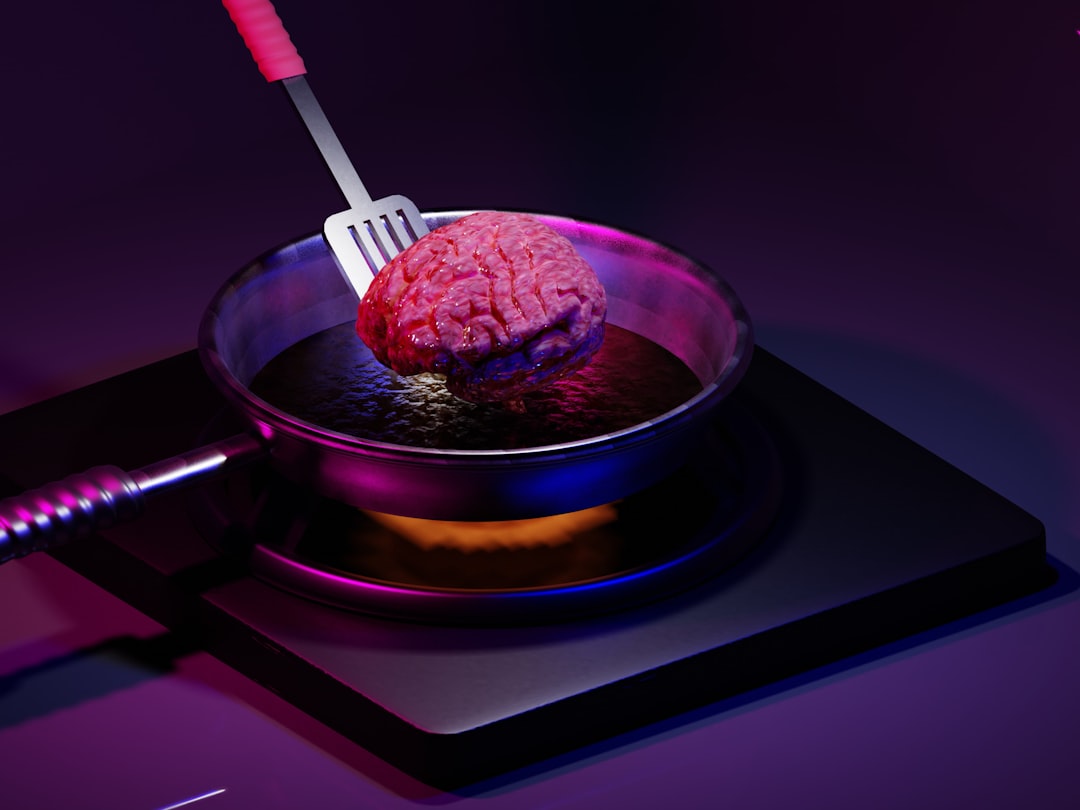
Introduction to Brain Food and Cognitive Nutrition
In today's fast-paced world, maintaining sharp cognitive abilities and sustained focus is more important than ever. The concept of brain food has gained significant attention as people seek natural ways to enhance mental performance and support brain health. Cognitive nutrition refers to the practice of consuming specific nutrients and foods that directly influence brain function, memory, and concentration.
Understanding how diet impacts the brain is essential for anyone interested in improving their mental acuity or preparing for cognitive challenges such as IQ testing. This article explores the best foods for focus and the components of a brain health diet that can boost your cognitive abilities over time.
The Science Behind Brain Food and Cognitive Nutrition
The brain is an energy-intensive organ, consuming roughly 20% of the body's total energy despite its relatively small size. To function optimally, it requires a steady supply of nutrients that support neurotransmitter synthesis, protect neurons, and promote neuroplasticity. The term brain food encompasses foods rich in antioxidants, healthy fats, vitamins, and minerals that nourish brain cells and improve communication between them.
Research in cognitive psychology and neuroscience reveals that certain nutrients, such as omega-3 fatty acids, B vitamins, and antioxidants, play pivotal roles in maintaining cognitive function. For example, omega-3s found in fatty fish contribute to the fluidity of neuronal membranes, which is crucial for efficient signal transmission. Similarly, antioxidants combat oxidative stress, a factor linked to cognitive decline.
Understanding these mechanisms helps to clarify why a brain health diet rich in these nutrients can enhance memory, attention, and problem-solving skills. This nutritional approach aligns with findings from the American Psychological Association that emphasize the interplay between diet and mental health.
Key Insight: The brain's reliance on specific nutrients means that what you eat directly influences your ability to focus and perform cognitively demanding tasks.
Top Foods That Enhance Brain Power and Focus
When considering foods for focus, several stand out due to their scientifically supported benefits:
- Fatty Fish: Rich in DHA and EPA omega-3 fatty acids, fatty fish like salmon and mackerel support synaptic plasticity and cognitive function.
- Berries: Blueberries and strawberries contain flavonoids that improve memory and delay brain aging.
- Nuts and Seeds: Walnuts, flaxseeds, and chia seeds provide healthy fats and antioxidants essential for brain cell integrity.
- Leafy Greens: Spinach, kale, and broccoli are packed with vitamins E and K, which are linked to slower cognitive decline.
- Whole Grains: Foods like oatmeal and quinoa provide a steady glucose supply, fueling brain activity.
These foods collectively contribute to a brain health diet that supports sustained mental energy and focus. Incorporating them regularly can improve your performance on cognitive assessments, such as when you take our full IQ test to measure your mental sharpness.
The Role of Hydration and Brain Function
Hydration is often overlooked but is critical for cognitive performance. Even mild dehydration can impair concentration, alertness, and short-term memory. Drinking adequate water throughout the day complements brain-boosting foods by maintaining optimal neuronal function.
Practical Tip: Pair your nutrient-rich meals with plenty of water to maximize brain benefits and maintain focus during mentally demanding tasks like a timed IQ test.
How Specific Nutrients Influence Cognitive Performance
Omega-3 Fatty Acids and Brain Health
Omega-3 fatty acids, especially DHA, are fundamental components of brain cell membranes. They facilitate communication between neurons and promote neurogenesis—the formation of new brain cells. Studies suggest that diets rich in omega-3s correlate with improved memory, faster processing speed, and reduced risk of neurodegenerative diseases.
For example, individuals consuming regular servings of fatty fish often perform better on cognitive tests measuring attention and executive function. This nutrient's anti-inflammatory properties also protect the brain from age-related decline, making it a cornerstone of any brain health diet.
Antioxidants and Cognitive Protection
Antioxidants found in colorful fruits and vegetables neutralize free radicals that cause oxidative stress, a major contributor to cognitive aging and memory loss. Flavonoids in berries have been shown to enhance neuronal signaling and improve spatial memory in animal studies, with emerging evidence supporting similar effects in humans.
Incorporating antioxidant-rich foods into your diet can help maintain mental clarity and focus, especially during periods of intense cognitive demand, such as preparing for an IQ assessment.
B Vitamins and Neurotransmitter Synthesis
B vitamins, including B6, B12, and folate, are essential for producing neurotransmitters like serotonin and dopamine, which regulate mood, motivation, and cognitive alertness. Deficiencies in these vitamins can lead to cognitive impairments and decreased focus.
Ensuring adequate intake through foods like leafy greens, legumes, and fortified cereals supports optimal brain function and can enhance performance on tasks requiring sustained attention, such as our practice test.
Common Misconceptions About Brain Food and Focus
Despite growing awareness, several myths persist regarding what constitutes effective brain food. One common misconception is that any food labeled as "brain-boosting" will instantly improve intelligence or IQ scores. In reality, cognitive nutrition supports brain function over time and complements other factors like sleep, exercise, and mental training.
Another misunderstanding is that supplements can replace whole foods. While supplements may help address deficiencies, they lack the complex nutrient interactions found in natural foods that synergistically benefit cognition.
Finally, some believe that caffeine or sugar-rich foods are reliable sources of focus enhancement. Although caffeine can temporarily increase alertness, excessive consumption leads to crashes and impaired concentration. Similarly, high sugar intake may cause short-term spikes in energy but ultimately harms brain health.
Critical Warning: Relying on quick fixes rather than a balanced brain health diet can undermine long-term cognitive performance.
Practical Tips for Integrating Brain Food Into Your Daily Life
Adopting a brain-boosting diet doesn't require drastic changes. Here are actionable strategies:
- Plan balanced meals incorporating fatty fish, nuts, and leafy greens.
- Snack smart with berries or a handful of walnuts instead of processed snacks.
- Stay hydrated by drinking water consistently throughout the day.
- Limit processed sugars and saturated fats to avoid cognitive sluggishness.
- Combine nutrition with mental exercises, such as taking a quick IQ assessment to challenge your brain regularly.
These habits foster sustained focus and mental clarity, enhancing your ability to perform well in cognitive tasks and IQ tests.
The Relationship Between Diet, Brain Health, and IQ Testing
IQ tests measure various cognitive abilities including memory, reasoning, and processing speed. While genetics and environment play major roles in IQ, nutrition is a modifiable factor that can influence test outcomes by optimizing brain function.
Consuming a brain health diet primes the brain for peak performance by enhancing neural efficiency and reducing mental fatigue. This nutritional foundation supports better concentration and quicker problem-solving during assessments.
For those interested in measuring the impact of diet on cognition, you can take our full IQ test before and after implementing dietary changes to observe potential improvements. Additionally, practice tests can help familiarize you with test formats while your brain adapts to new nutritional inputs.
Key Takeaway: While no diet will drastically alter IQ scores overnight, consistent cognitive nutrition is a powerful tool to enhance focus and mental stamina.
Conclusion: Nourish Your Brain for Lasting Cognitive Benefits
The journey to improved brain power and focus begins with understanding the vital role of brain food and cognitive nutrition. By incorporating nutrient-dense foods such as fatty fish, berries, nuts, and leafy greens into your diet, you provide your brain with the essential building blocks for optimal function.
Remember, a brain health diet works best in combination with hydration, mental stimulation, and healthy lifestyle choices. Whether preparing for a cognitive challenge or aiming to boost everyday focus, these dietary strategies offer sustainable benefits.
To assess your cognitive abilities and track your progress, consider trying our quick IQ assessment or challenge yourself with a timed IQ test. For a comprehensive evaluation, you can take our full IQ test and monitor how your brain responds to improved nutrition and lifestyle habits.
Investing in your brain health today lays the foundation for sharper thinking and greater mental resilience tomorrow.
For more detailed insights into intelligence and cognitive function, explore resources like the intelligence quotient and cognitive ability articles on Wikipedia, or visit the American Psychological Association for expert guidance.
Recommended Reading
Hand-picked books on intelligence, memory, and cognition. As an Amazon Associate we earn from qualifying purchases at no cost to you.




Frequently Asked Questions
Can eating brain food improve my IQ score on tests?
While brain food supports optimal brain function and focus, it does not directly increase IQ scores overnight. However, a nutrient-rich diet can enhance cognitive performance, mental stamina, and concentration, which may help you perform better on IQ tests over time.
How long does it take for brain food to affect cognitive abilities?
The effects of a brain-healthy diet on cognition typically develop gradually over weeks to months. Consistent intake of nutrients like omega-3s and antioxidants supports brain health and can lead to noticeable improvements in memory and focus with sustained dietary habits.
Are supplements as effective as whole foods for brain health?
Supplements can help address specific nutrient deficiencies but generally lack the complex nutrient interactions found in whole foods. Whole foods provide a broader range of vitamins, minerals, and antioxidants that work synergistically to support cognitive function.
Does hydration really impact mental focus during cognitive tasks?
Yes, even mild dehydration can impair concentration, alertness, and short-term memory. Staying well-hydrated is essential for maintaining optimal brain function, especially during demanding tasks like IQ tests or prolonged study sessions.
Can I improve my cognitive abilities by combining brain food with IQ practice tests?
Absolutely. Combining a nutrient-rich diet with regular cognitive challenges, such as taking a [practice test](/en/practice-test), helps reinforce neural pathways and improve mental agility. This holistic approach maximizes your brain's potential.
Are there any foods I should avoid to maintain good brain health?
Limiting processed sugars, excessive saturated fats, and highly processed foods is advisable as they can contribute to cognitive sluggishness and inflammation. A balanced diet focusing on whole, nutrient-dense foods is best for maintaining brain health.
Related Articles



Curious about your IQ?
You can take a free online IQ test and get instant results.
Take IQ Test