Introduction to the Brain Fitness Connection
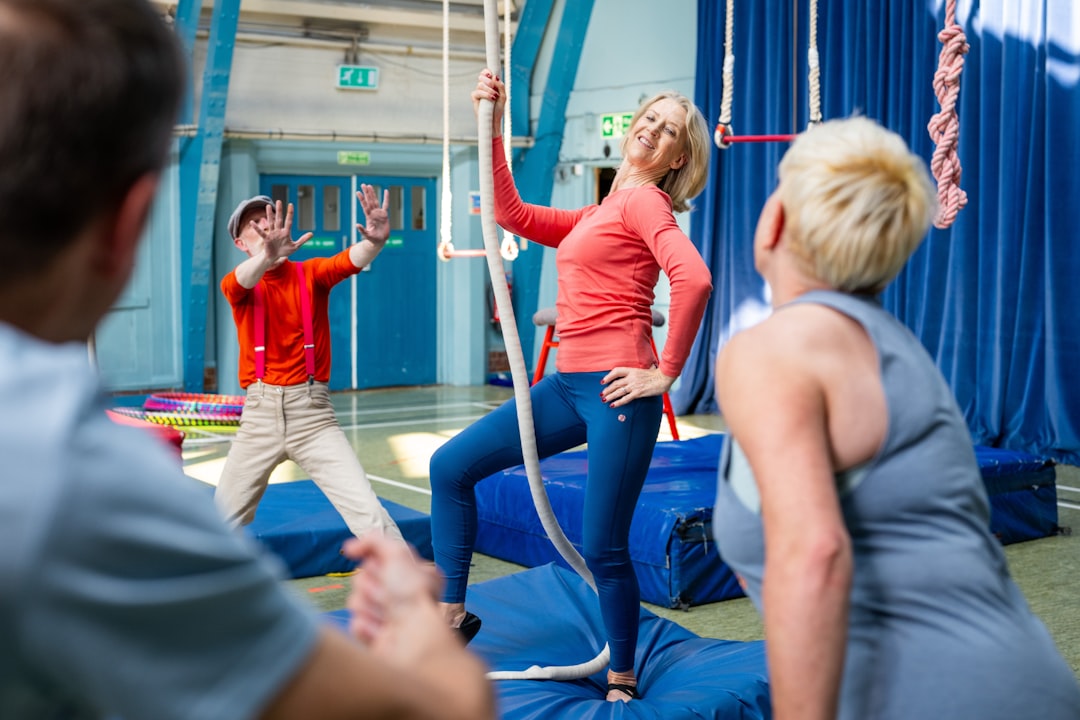
In recent years, the relationship between physical fitness and cognitive ability has garnered substantial attention in both scientific and popular domains. The idea that regular exercise can enhance mental performance is no longer just a hopeful hypothesis but a growing body of evidence supported by research in psychology and neuroscience. Understanding the brain fitness connection is crucial for anyone interested in optimizing their intellectual potential and overall well-being.
Physical activity is often celebrated for its benefits to cardiovascular health, weight management, and mood regulation. However, its impact extends far beyond the body, influencing complex cognitive processes such as memory, attention, and problem-solving. This article explores the multifaceted link between exercise and IQ, examining how maintaining physical fitness can lead to measurable improvements in cognitive function.
Key Insight: The connection between physical fitness and cognition is not merely correlational but involves intricate biological and psychological mechanisms that enhance brain health and intellectual performance.
By the end of this comprehensive overview, you will understand the science behind this link, practical applications, and how to harness fitness strategies to boost your cognitive abilities. For those curious about measuring their own cognitive skills, you can take our full IQ test to see how your brain performs under various conditions.
How Does Physical Fitness Influence Cognitive Ability?
At the core of the brain fitness connection lies the question: How exactly does physical fitness influence cognitive ability? The answer involves a combination of physiological and neurological factors that work synergistically to enhance brain function.
Firstly, regular exercise increases blood flow to the brain, delivering essential oxygen and nutrients that support neuronal health and growth. This enhanced circulation promotes the production of brain-derived neurotrophic factor (BDNF), a protein that encourages the development of new neurons and synaptic connections, particularly in areas responsible for learning and memory such as the hippocampus. This biological process underpins many of the cognitive benefits associated with physical activity.
Secondly, exercise triggers the release of neurotransmitters like dopamine and serotonin, which regulate mood and motivation. Improved mood states reduce stress and anxiety, both of which can impair cognitive performance. By mitigating these negative emotional states, physical fitness indirectly supports clearer thinking and better concentration.
Additionally, physical fitness improves sleep quality, which is essential for memory consolidation and cognitive restoration. Poor sleep is linked to diminished executive functions, and exercise acts as a natural regulator to enhance sleep patterns.
Key Takeaway: The physiological effects of exercise—improved blood flow, neurogenesis, neurotransmitter balance, and better sleep—form a robust foundation for enhanced cognitive abilities.
For those interested in exploring how these cognitive improvements translate to measurable intelligence, consider trying our quick IQ assessment to benchmark your current cognitive state.
What Types of Exercise Best Enhance Cognitive Performance?
Not all physical activities affect cognition equally. Understanding which forms of exercise most effectively boost brain fitness can help tailor routines for maximum cognitive benefit.
Aerobic exercise such as running, swimming, or cycling is widely recognized for its positive impact on brain function. These activities elevate heart rate and sustain increased blood flow, which, as discussed, promotes neurogenesis and synaptic plasticity. Studies suggest that consistent aerobic training improves working memory, attention, and processing speed.
Resistance training, including weightlifting and bodyweight exercises, also contributes to cognitive health by improving executive functions such as planning and inhibitory control. This type of exercise stimulates hormonal responses that support brain plasticity.
Mind-body exercises like yoga and tai chi combine physical movement with mental focus and controlled breathing, which can reduce stress and enhance cognitive flexibility. These practices improve mindfulness and emotional regulation, indirectly benefiting intellectual performance.
Practical Tips for Brain-Boosting Exercise:
- Engage in at least 150 minutes of moderate aerobic exercise weekly
- Include resistance training sessions 2-3 times per week
- Incorporate mind-body exercises to balance physical and mental fitness
For a more personalized approach, you can practice cognitive challenges alongside your fitness routine to synergistically improve your mental agility.
Can Exercise Improve IQ Scores? Exploring the Evidence
One of the most intriguing questions in the exercise and IQ discussion is whether physical fitness can lead to actual improvements in IQ scores. While IQ is often viewed as a relatively stable measure of intelligence, research suggests that certain cognitive domains assessed by IQ tests can be enhanced through fitness interventions.
Exercise has been shown to improve fluid intelligence, which involves reasoning and problem-solving abilities independent of acquired knowledge. This is particularly relevant because fluid intelligence is a core component of many IQ tests. Improvements in attention, memory, and processing speed—common outcomes of regular physical activity—also contribute to better IQ test performance.
However, it is important to understand that IQ scores are influenced by multiple factors, including genetics, education, and environment. Exercise acts as a modifiable lifestyle factor that can optimize cognitive function but is unlikely to cause dramatic IQ increases in isolation.
Misconception Alert: Exercise does not guarantee a higher IQ score overnight, but it enhances cognitive processes that support intellectual tasks measured by IQ assessments.
To evaluate your cognitive strengths and see how fitness might impact your IQ-related skills, try our timed IQ test, which challenges your mental speed and accuracy under pressure.
What Are the Psychological Mechanisms Behind the Brain Fitness Connection?
Beyond biological effects, psychological factors play a crucial role in linking physical fitness to cognitive ability. Exercise fosters self-efficacy, motivation, and resilience, all of which enhance mental performance.
Engaging in regular physical activity often requires goal-setting, discipline, and perseverance. These behaviors translate into improved executive functions such as planning, task switching, and inhibitory control. The confidence gained from fitness achievements can reduce cognitive load during problem-solving by lowering anxiety and boosting focus.
Moreover, group exercise or sports can enhance social cognition and emotional intelligence, expanding the scope of cognitive benefits beyond traditional IQ measures. These psychological mechanisms complement the physiological changes to create a holistic brain fitness effect.
Insight: The interplay of psychological growth and physical health creates a feedback loop that reinforces cognitive improvements over time.
Pairing physical workouts with mental exercises can amplify these benefits. You can start with our practice test to sharpen your cognitive skills in tandem with your fitness journey.
How Does Age Affect the Relationship Between Fitness and Cognition?
Age is a significant factor in the physical fitness cognition dynamic. While cognitive decline is a natural part of aging, physical fitness offers a powerful tool to mitigate these effects across the lifespan.
In children and adolescents, regular exercise supports brain development, enhancing attention, memory, and academic performance. For adults, maintaining fitness helps preserve cognitive functions and slows neurodegenerative processes.
Older adults particularly benefit from exercise, which can improve executive function, reduce the risk of dementia, and enhance quality of life. The mechanisms include sustained neurogenesis, improved vascular health, and reduced inflammation.
Important Note: Exercise regimens should be tailored to age and health status to maximize cognitive benefits safely.
For all ages, combining physical activity with cognitive assessments like our full IQ test provides insight into how fitness influences mental performance over time.
Practical Strategies to Leverage Fitness for Cognitive Enhancement
Understanding the science behind the brain fitness connection is valuable, but applying this knowledge effectively is key to reaping benefits. Here are actionable strategies to integrate physical fitness into your cognitive enhancement plan:
- Consistency is Crucial: Engage in regular exercise rather than sporadic intense sessions to sustain cognitive benefits.
- Combine Exercise Types: Mix aerobic, resistance, and mind-body exercises for comprehensive brain stimulation.
- Set Cognitive Goals: Pair physical workouts with mental challenges like puzzles or IQ assessments to reinforce gains.
- Monitor Progress: Use tools such as our timed IQ test and quick IQ assessment to track cognitive improvements.
- Prioritize Recovery: Ensure adequate sleep and nutrition to support brain and body repair.
Pro Tip: Incorporate short bouts of physical activity during work or study breaks to boost mental alertness and productivity.
By following these strategies, you can harness the full potential of the brain fitness connection to improve both your physical and intellectual capacities.
Conclusion: Embracing the Brain-Body Synergy for Lifelong Intelligence
The link between fitness and cognitive ability is a compelling testament to the intricate synergy between body and brain. Exercise influences cognitive function through diverse biological and psychological pathways, enhancing memory, attention, processing speed, and executive functions that contribute to overall intelligence.
While exercise may not drastically alter your IQ score overnight, it creates a fertile environment for cognitive growth and resilience. By adopting a balanced fitness routine that includes aerobic, resistance, and mind-body exercises, you can support brain health throughout your life.
To explore your cognitive strengths and see how fitness might impact your intellectual abilities, consider taking our full IQ test or start with a practice test to build your mental skills progressively.
Final Thought: Investing in physical fitness is simultaneously an investment in your cognitive future, unlocking potential that benefits every aspect of life.
For further reading on intelligence and cognitive science, visit the intelligence quotient page and explore resources from the American Psychological Association and Britannica's cognitive psychology overview.
Recommended Reading
Hand-picked books on intelligence, memory, and cognition. As an Amazon Associate we earn from qualifying purchases at no cost to you.


Frequently Asked Questions
How soon can I expect cognitive improvements after starting an exercise routine?
Cognitive improvements from exercise can vary based on factors like exercise type, intensity, and individual health. Some benefits, such as mood enhancement and increased alertness, may appear within days or weeks, while structural brain changes and measurable IQ-related improvements often require consistent exercise over several months.
Is high-intensity interval training (HIIT) better for brain fitness than moderate aerobic exercise?
HIIT can offer cognitive benefits due to its intensity and cardiovascular effects, but moderate aerobic exercise is also effective and more sustainable for many people. The best approach depends on individual preferences and health status, with consistency being more important than intensity alone for long-term brain fitness.
Can sedentary individuals improve their IQ scores by starting physical fitness programs later in life?
Yes, sedentary individuals can experience cognitive benefits and potential IQ-related improvements by adopting regular physical activity, even later in life. While some age-related cognitive decline is inevitable, exercise helps slow this process and can enhance mental functions like memory and executive control.
How do stress and exercise interact to affect cognitive performance?
Exercise helps reduce stress hormones like cortisol, which in high levels can impair cognitive functions. By managing stress through physical activity, individuals can improve focus, memory, and decision-making abilities, creating a positive feedback loop that supports both mental and physical health.
Are there specific cognitive domains that do not benefit from physical fitness?
While many cognitive domains improve with physical fitness, some areas like crystallized intelligence (accumulated knowledge and vocabulary) are less influenced by exercise and more by education and experience. However, overall brain health supports all cognitive functions indirectly.
Related Articles



Curious about your IQ?
You can take a free online IQ test and get instant results.
Take IQ Test