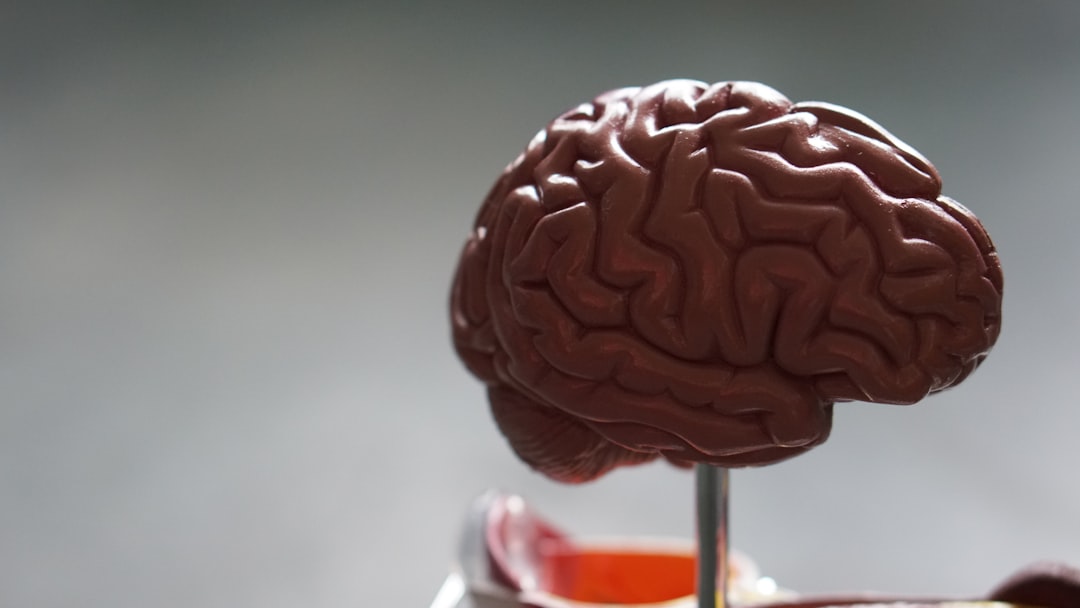
Introduction to Brain Training and IQ
The idea that brain training can raise IQ has captivated millions seeking to enhance their cognitive abilities. From apps promising to boost memory to puzzles claiming to improve intelligence, the market is flooded with tools designed to sharpen the mind. But what does scientific research actually reveal about the effectiveness of these cognitive training programs? Can they truly lead to measurable IQ improvement or are they simply a form of mental exercise with limited transfer?
Understanding the relationship between brain training and IQ requires a deep dive into cognitive psychology and intelligence assessment. The intelligence quotient, or IQ, is a standardized measure of cognitive abilities, including reasoning, problem-solving, and memory. While brain training targets specific mental skills, IQ tests assess a broad range of cognitive functions. This article explores what studies show about the cognitive training effectiveness in raising IQ, clarifies common misconceptions, and offers practical insights for those interested in enhancing their mental performance.
Key Insight: Not all brain training is created equal, and the impact on IQ varies widely depending on the type, duration, and transferability of the training.
What Is Brain Training and How Does It Claim to Raise IQ?
Brain training refers to a variety of activities aimed at improving cognitive functions such as memory, attention, processing speed, and problem-solving. These activities often include computerized exercises, puzzles, memory tasks, and other mental challenges. The core claim is that by repeatedly practicing these tasks, individuals can strengthen their underlying cognitive abilities, which may translate into higher IQ scores.
The mechanism behind brain training is often linked to the concept of neuroplasticity—the brain's ability to reorganize itself by forming new neural connections throughout life. Proponents argue that targeted exercises can enhance working memory, executive function, and fluid intelligence, which are key components measured by IQ tests. For example, improving working memory through training could theoretically help individuals perform better on reasoning tasks.
However, the extent to which these improvements generalize beyond the trained tasks is a critical question. Many brain training programs demonstrate gains on the specific exercises practiced, but whether these gains transfer to broader cognitive abilities like those assessed by IQ tests remains debated. This distinction between near transfer (improvements on similar tasks) and far transfer (improvements on different, untrained tasks) is central to evaluating brain training effectiveness.
You can explore your own cognitive abilities by trying our practice test, which offers a range of tasks similar to those used in brain training programs.
Misconception Alert: Brain training apps often advertise IQ boosts, but many improvements are limited to the tasks practiced rather than overall intelligence.
What Does Research Say About Brain Training and IQ Improvement?
Scientific studies on brain training have produced mixed results regarding its ability to raise IQ. Some research indicates that certain types of cognitive training can lead to modest improvements in specific cognitive domains, such as working memory or processing speed. However, these gains often fail to translate into significant increases in standardized IQ scores.
Meta-analyses examining multiple studies suggest that while brain training can improve performance on trained tasks (near transfer), evidence for far transfer—such as enhanced fluid intelligence or general IQ—is limited and inconsistent. For example, training focused on working memory may improve working memory capacity but does not reliably boost overall IQ or reasoning skills measured by comprehensive tests.
Moreover, the durability of any cognitive gains is a concern. Some studies report that improvements diminish over time without continued practice, indicating that brain training effects may be temporary rather than permanent. This raises questions about the practical value of brain training for long-term IQ improvement.
Despite these limitations, some research highlights that certain training programs, especially those combining multiple cognitive domains and sustained over longer periods, show more promising results. Yet, the consensus remains cautious, emphasizing that brain training is not a guaranteed way to raise IQ.
For those curious about their current IQ level before and after training, you can take our full IQ test to monitor any changes in cognitive performance.
Key Takeaway: Brain training may improve specific skills but does not consistently raise overall IQ scores according to current research.
How Does Working Memory Training Relate to IQ Enhancement?
Working memory is a core cognitive function involving the temporary storage and manipulation of information. It is closely linked to fluid intelligence, which reflects problem-solving and reasoning abilities independent of acquired knowledge. Because of this connection, many brain training programs focus on enhancing working memory with the hope of boosting IQ.
Studies show that working memory training can lead to improvements in tasks similar to those trained, such as digit span or spatial memory exercises. However, the critical question is whether these improvements transfer to broader cognitive abilities, including fluid intelligence and IQ. The evidence here is mixed. Some studies report small gains in fluid intelligence following working memory training, while others find no significant transfer.
One challenge is that working memory tasks used in training often differ from those in IQ tests, limiting the transferability of skills. Additionally, individual differences play a role; some participants benefit more than others based on baseline cognitive abilities or motivation.
Practical applications of working memory training include helping individuals with attention deficits or learning difficulties, where targeted cognitive exercises may support specific challenges. However, for the general population, the impact on IQ remains uncertain.
You can assess your working memory and related cognitive skills by trying our timed IQ test, which includes tasks designed to measure processing speed and memory under time constraints.
Important Note: Working memory training alone is unlikely to produce large, lasting increases in IQ but may enhance specific cognitive functions.
Common Misconceptions About Brain Training and Intelligence
The popularity of brain training has led to several widespread misconceptions about its effects on intelligence. One common belief is that simply using brain training apps regularly will lead to a significant and permanent increase in IQ. In reality, most brain training benefits are task-specific and do not generalize widely.
Another misconception is that intelligence is entirely malleable through training. While intelligence has both genetic and environmental components, the intelligence quotient is relatively stable over time. Brain training may improve cognitive performance temporarily but does not fundamentally alter innate intelligence.
Some people also confuse improvements in test-taking strategies or familiarity with tasks as genuine IQ gains. Repeated exposure to similar problems can boost scores without reflecting true cognitive enhancement.
Understanding these nuances is crucial to set realistic expectations. Brain training can be a valuable tool for mental stimulation and skill refinement but should not be viewed as a magic solution for raising IQ.
For a realistic assessment of your cognitive abilities, consider our quick IQ assessment, which provides a snapshot of your current intelligence level without extensive preparation.
Myth Busting: Brain training is not a shortcut to genius; it requires sustained effort and does not replace comprehensive learning or intellectual development.
What Are the Practical Implications of Brain Training for Cognitive Enhancement?
Despite the limitations in raising IQ, brain training holds practical value for cognitive enhancement in specific contexts. Regular mental exercises can improve attention, memory, and processing speed, which contribute to better daily functioning and academic or professional performance.
Brain training can be particularly beneficial for older adults aiming to maintain cognitive health, individuals recovering from brain injuries, or those with cognitive impairments. In these cases, targeted training may help slow cognitive decline or support rehabilitation.
For the general population, brain training should be one component of a broader strategy for cognitive development, including education, physical exercise, healthy sleep, and social engagement. These factors collectively influence brain health and intellectual growth.
If you want to explore different types of cognitive challenges and track your progress, try our practice test regularly to build familiarity with diverse problem-solving tasks.
Practical Tip: Combine brain training with lifestyle habits that promote overall brain health for the best cognitive outcomes.
How Can You Measure Your IQ and Track Changes Over Time?
Measuring IQ accurately requires standardized testing administered under controlled conditions. However, online IQ tests can provide reasonable estimates of cognitive abilities and help track changes over time, especially when using consistent testing formats.
Our site offers several options to assess your intelligence, including a full IQ test that evaluates multiple cognitive domains and a timed IQ test that measures performance under time constraints. These assessments help identify strengths and weaknesses and can be used periodically to monitor cognitive changes.
It's important to remember that IQ scores can fluctuate due to factors such as mood, fatigue, and test familiarity. Therefore, multiple assessments over time provide a more reliable picture than a single test.
Tracking your progress with brain training alongside IQ assessments can help you understand which cognitive areas improve and whether training effects generalize beyond practice tasks.
Insight: Consistent testing combined with diverse cognitive activities offers the best approach to understanding and enhancing your intelligence.
For a quick evaluation, try our quick IQ assessment to get immediate feedback on your cognitive status.
Conclusion: What Should You Expect from Brain Training Regarding IQ?
In summary, brain training offers potential benefits for specific cognitive skills but does not reliably lead to significant or lasting increases in IQ. Research indicates that while you may improve on trained tasks, the transfer to general intelligence measures is limited and varies by individual and training type.
Understanding the distinction between near and far transfer is essential to set realistic expectations. Brain training should be viewed as a tool for mental stimulation rather than a guaranteed method to raise IQ. Combining cognitive exercises with healthy lifestyle choices and continuous learning provides the most comprehensive approach to cognitive enhancement.
If you're interested in assessing your cognitive abilities or tracking changes over time, consider taking our full IQ test or exploring other formats like the timed IQ test and practice test. These tools can help you monitor your progress and identify areas for improvement.
Final Thought: The most critical factor in cognitive improvement is consistent, varied mental engagement paired with realistic goals—not quick fixes or promises of IQ boosts.
For a starting point, you can try our quick IQ assessment today and begin your journey toward better understanding your intelligence and cognitive potential.
For more detailed information about intelligence and cognitive abilities, you may find these resources helpful: the intelligence quotient overview, the concept of working memory, and the psychology of intelligence. Additionally, the Britannica article on intelligence provides a comprehensive background.
Recommended Reading
Hand-picked books on intelligence, memory, and cognition. As an Amazon Associate we earn from qualifying purchases at no cost to you.



Frequently Asked Questions
Can brain training improve IQ permanently or are the effects temporary?
Brain training effects on IQ are generally temporary and tend to diminish without ongoing practice. While specific cognitive skills may improve, these gains often do not translate into permanent increases in overall intelligence. Sustained mental engagement and varied cognitive activities are necessary to maintain benefits.
Which types of brain training exercises are most effective for cognitive improvement?
Exercises targeting working memory, attention, and executive function tend to show the most promise in improving cognitive performance. However, effectiveness varies by individual and training design. Multi-domain training programs that are longer in duration and progressively challenging are generally more effective than short, repetitive tasks.
How reliable are online IQ tests for measuring true intelligence?
Online IQ tests can provide reasonable estimates of cognitive abilities but may lack the standardization and controlled conditions of professional assessments. They are useful for tracking relative changes over time but should not be considered definitive measures of intelligence. For accurate evaluation, professionally administered tests are recommended.
Is it possible to increase IQ through education and lifestyle changes aside from brain training?
Yes, education, physical exercise, nutrition, quality sleep, and social engagement all contribute to cognitive development and brain health. These factors can enhance intellectual functioning and may indirectly influence IQ scores. Brain training is just one component of a holistic approach to cognitive enhancement.
Why do some people show more improvement from brain training than others?
Individual differences such as baseline cognitive abilities, motivation, age, and genetics affect responsiveness to brain training. People with lower initial cognitive performance or specific deficits may experience more noticeable gains. Additionally, engagement level and training quality influence outcomes.
Can brain training help individuals with cognitive impairments or brain injuries?
Targeted cognitive training can support rehabilitation and improve specific cognitive functions in individuals with impairments or brain injuries. While it may not restore full intelligence, it can enhance quality of life and functional abilities. Such interventions are often part of comprehensive therapeutic programs.
Related Articles



Curious about your IQ?
You can take a free online IQ test and get instant results.
Take IQ Test