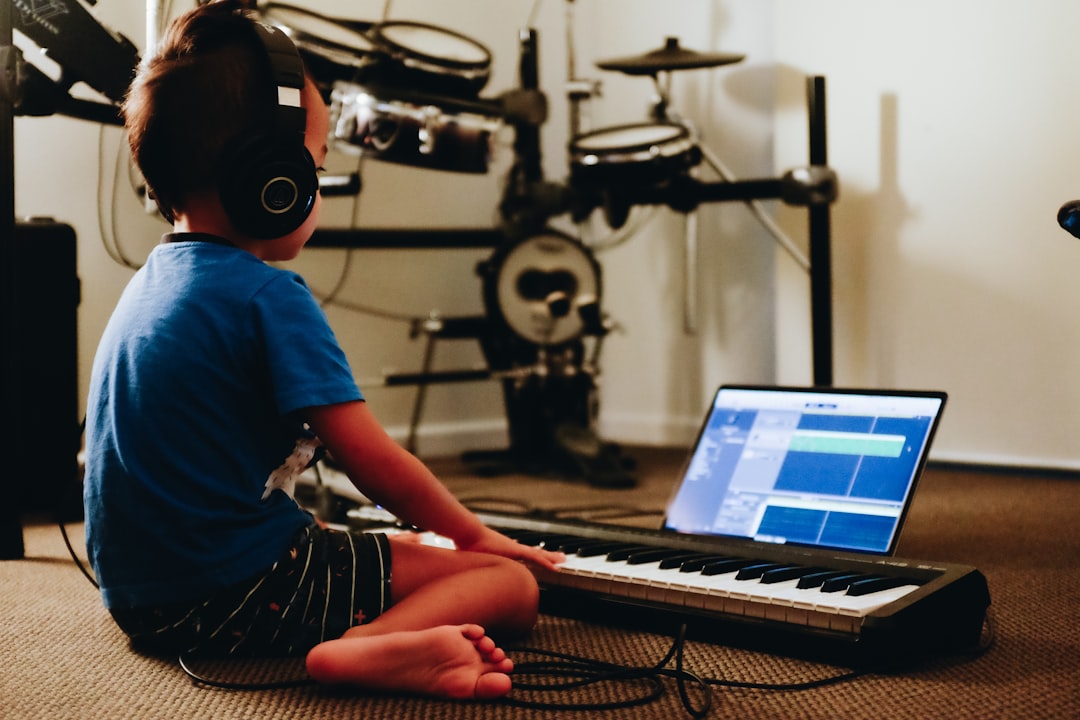
Introduction to Music Cognition and Intelligence
Music has long been celebrated not only as an art form but also as a powerful influence on the human mind. Its impact extends beyond mere enjoyment, reaching into the realms of cognitive speed, memory, and even intelligence quotient (IQ). Understanding how music interacts with cognitive processes opens doors to enhancing mental performance and learning capabilities. This article explores the intricate relationship between music cognition and IQ, revealing how musical experiences can shape and accelerate cognitive functions.
The field of music cognition investigates how the brain perceives, processes, and responds to music. This complex interaction involves multiple brain regions responsible for auditory processing, memory, attention, and executive functions. By examining these mechanisms, researchers aim to uncover the ways music can influence cognitive speed—the brain’s efficiency in processing information—and overall intelligence. As you read on, you will discover scientific insights, practical applications, and the nuances behind this fascinating connection.
The Science Behind Music Cognition and Cognitive Speed
At its core, music cognition refers to the mental processes involved in perceiving and understanding music. This includes recognizing rhythms, melodies, and harmonies, as well as emotional responses and memory recall. The brain’s ability to decode these elements requires rapid information processing, which directly relates to cognitive speed. The faster the brain can interpret and respond to musical stimuli, the more efficient cognitive processing becomes.
Neurologically, listening to or playing music activates several brain areas simultaneously, including the auditory cortex, motor regions, and prefrontal cortex. This widespread activation fosters enhanced neural connectivity and synchronization, which are critical for improving cognitive speed. For example, rhythmic patterns in music can entrain brain waves, promoting faster reaction times and better attention control. This phenomenon is supported by studies showing that musicians often exhibit quicker processing speeds and superior executive functions compared to non-musicians.
Moreover, music training has been linked to improvements in working memory and processing speed. These cognitive domains are fundamental components of IQ, as defined by the intelligence quotient concept. By engaging in musical activities, individuals can strengthen the neural circuits responsible for rapid information processing, which may translate into enhanced performance on IQ assessments. To evaluate your own cognitive abilities, you might consider trying our full IQ test, which measures various aspects of intelligence including processing speed.
Key Insight: The brain’s response to music involves complex, multi-regional activation that can enhance cognitive speed through improved neural efficiency and connectivity.
How Music Training Enhances IQ and Cognitive Abilities
One of the most compelling areas of research is the effect of music training on IQ and broader cognitive abilities. Learning to play an instrument or engaging in structured musical education requires sustained attention, memory, and fine motor skills. These activities stimulate brain plasticity—the brain’s ability to reorganize and form new neural connections—leading to measurable cognitive gains.
Studies suggest that children and adults who receive music training often score higher on IQ tests, particularly in verbal and spatial reasoning domains. This improvement is believed to arise from the transfer effects of music practice, where skills acquired in one domain (music) positively influence other cognitive areas. For instance, reading musical notation enhances pattern recognition and decoding skills, which are transferable to language and mathematics.
Importantly, the benefits of music training are not limited to IQ scores alone. Enhanced cognitive speed, improved working memory capacity, and better executive function are commonly observed in musicians. These enhancements contribute to faster problem-solving abilities and more efficient learning processes. If you want to assess how your cognitive speed compares, you can try our timed IQ test, which challenges your rapid reasoning and processing skills under time constraints.
Common Misconception: Some believe that simply listening to music boosts IQ, but research indicates that active engagement, such as playing an instrument, yields the most significant cognitive benefits.
The Role of Different Music Genres on Cognitive Performance
Not all music influences cognition in the same way. The effects of various genres on cognitive speed and IQ can differ based on tempo, complexity, and emotional content. For example, classical music, particularly compositions with structured rhythms and harmonies, has been associated with improved spatial-temporal reasoning and concentration.
The so-called "Mozart effect" popularized the idea that listening to Mozart’s compositions could temporarily enhance intelligence. While subsequent research has nuanced this claim, it remains true that certain music types can create an optimal arousal state conducive to learning and cognitive processing. Upbeat and rhythmic music may increase alertness and reaction times, whereas slower, calming music can reduce stress and improve focus.
It is essential to consider individual differences in music preference and cognitive response. What enhances one person’s cognitive speed might distract another. Experimenting with different genres while engaging in cognitive tasks or IQ assessments can help identify the most effective music for personal performance. For example, you might try our practice test while listening to various music styles to observe how your cognitive speed fluctuates.
Practical Tip: Use music strategically during study or cognitive training sessions to maximize alertness and processing speed, tailoring the genre to your personal response.
Neural Mechanisms Linking Music and Intelligence
Understanding the neural underpinnings of how music influences intelligence involves exploring brain plasticity, connectivity, and neurochemical changes. Music engages both hemispheres of the brain, fostering communication between regions responsible for auditory processing, memory, and executive functions. This bilateral activation is a hallmark of enhanced cognitive capacity.
Playing an instrument, for instance, requires simultaneous motor coordination, auditory feedback, and cognitive control. This complex task promotes the strengthening of the corpus callosum—the bridge between the brain’s hemispheres—resulting in improved interhemispheric communication. Enhanced connectivity correlates with higher IQ scores and faster cognitive speed.
Additionally, music stimulates the release of neurotransmitters such as dopamine and serotonin, which regulate mood and motivation. Elevated mood states can improve attention and working memory, indirectly boosting cognitive performance. These neurochemical effects underscore why music can be a powerful tool for cognitive enhancement beyond passive listening.
Important Note: The relationship between music and intelligence is multifaceted, involving structural brain changes and neurochemical modulation that together facilitate cognitive improvements.
Practical Applications: Using Music to Boost Cognitive Speed and IQ
Harnessing music’s potential to enhance cognitive speed and IQ can be achieved through deliberate practice and environmental design. Here are several actionable strategies:
- Active Music Training: Learning an instrument or vocal training can produce lasting cognitive benefits by engaging multiple brain systems.
- Background Music for Focus: Selecting appropriate music genres to listen to during study or work can improve concentration and processing speed.
- Rhythmic Entrainment Exercises: Using rhythmic auditory stimuli to synchronize brain waves may enhance reaction times and attention.
- Incorporating Music in Cognitive Assessments: Some cognitive training programs integrate music to stimulate neural pathways and improve test performance.
For those interested in measuring the impact of music on their cognitive abilities, taking a structured IQ assessment can provide valuable insights. You can take our full IQ test or start with a quick IQ assessment to benchmark your cognitive speed and intelligence before and after engaging in musical activities.
Key Takeaway: Music is a versatile cognitive enhancer that, when applied thoughtfully, can accelerate mental processing and improve intelligence-related skills.
Common Misconceptions and Limitations in Music and IQ Research
Despite promising findings, several misconceptions persist regarding music’s influence on IQ and cognitive speed. One widespread myth is that passive listening to music, especially classical, will automatically raise IQ scores. In reality, active engagement and consistent practice are critical for meaningful cognitive improvements.
Another limitation is the variability in individual responses to music. Factors such as age, baseline cognitive abilities, and personal preferences can moderate the effects of music on cognition. Additionally, many studies rely on correlational data, making it difficult to establish causality definitively.
Moreover, the duration and intensity of musical training necessary for cognitive gains are not universally agreed upon. Short-term exposure may yield temporary benefits in mood or alertness but not long-lasting IQ changes. Therefore, realistic expectations and well-designed interventions are essential.
Caution: Avoid overgeneralizing music’s cognitive benefits; instead, consider it as one of several tools to support mental performance alongside education, exercise, and nutrition.
Measuring Cognitive Speed and IQ: The Role of IQ Tests
IQ tests remain the most widely accepted method for assessing intelligence, including cognitive speed components. These assessments evaluate various domains such as verbal comprehension, working memory, processing speed, and spatial reasoning. Understanding how music influences these domains requires reliable measurement tools.
Our platform offers several options to gauge your cognitive abilities accurately. You can take our full IQ test for a comprehensive evaluation, or opt for a timed IQ test to specifically measure processing speed under pressure. For practice and familiarization, the practice test is an excellent resource to build confidence and improve test-taking strategies.
By tracking your scores before and after engaging in musical training or listening interventions, you can observe potential cognitive gains. This approach allows for personalized insights into how music affects your mental agility and intelligence.
For a deeper understanding of IQ and cognitive abilities, the intelligence quotient and cognitive ability articles provide foundational knowledge. Additionally, the American Psychological Association offers comprehensive resources on intelligence assessment and cognitive psychology.
Conclusion: Integrating Music into Cognitive Enhancement Strategies
The relationship between music cognition, cognitive speed, and IQ is a dynamic and multifaceted domain that continues to reveal exciting possibilities. Music, especially through active engagement like playing an instrument, can enhance neural connectivity, accelerate information processing, and contribute to higher intelligence scores. However, the benefits depend on consistent practice, individual differences, and the type of music involved.
Incorporating music into your cognitive enhancement routine can be both enjoyable and effective. Whether through structured training or strategic listening, music offers a unique avenue to boost mental performance. To explore your cognitive potential further, consider taking our full IQ test or trying a quick IQ assessment to establish your baseline. Combining these tools with music-based interventions may unlock new levels of cognitive speed and intelligence.
Final Thought: Music is not just an art but a powerful cognitive tool—embracing it can enrich your mind and accelerate your intellectual growth.
Sıkça Sorulan Sorular
Can passive listening to music improve IQ scores?
Passive listening to music can enhance mood and temporary focus but does not significantly improve IQ scores. Active engagement, such as learning an instrument, is necessary to produce lasting cognitive improvements.
Which music genre is best for enhancing cognitive speed?
The best genre varies by individual, but structured and rhythmic music like classical or upbeat instrumental pieces often promote better concentration and faster cognitive processing. Personal preference plays a crucial role in effectiveness.
How long does it take for music training to affect IQ?
Cognitive benefits from music training typically require consistent practice over months or years. Short-term exposure may improve alertness but does not usually lead to lasting IQ changes.
Can music help improve cognitive speed in older adults?
Yes, music training and listening can enhance neural plasticity and cognitive speed in older adults, potentially mitigating age-related cognitive decline when practiced regularly.
Is there a difference between the effects of playing music and listening to music on cognitive abilities?
Playing music actively engages multiple brain regions and leads to stronger cognitive improvements than passive listening, which mainly affects mood and temporary focus.
How can I measure if music has improved my cognitive speed?
You can measure changes in cognitive speed by taking standardized IQ tests or processing speed assessments before and after music interventions. Our [timed IQ test](/en/timed-test) is designed to evaluate processing speed effectively.
IQ'nuz merak ediyor musunuz?
Ücretsiz online IQ testi yapabilir ve anında sonuç alabilirsiniz.
IQ Testi Yap