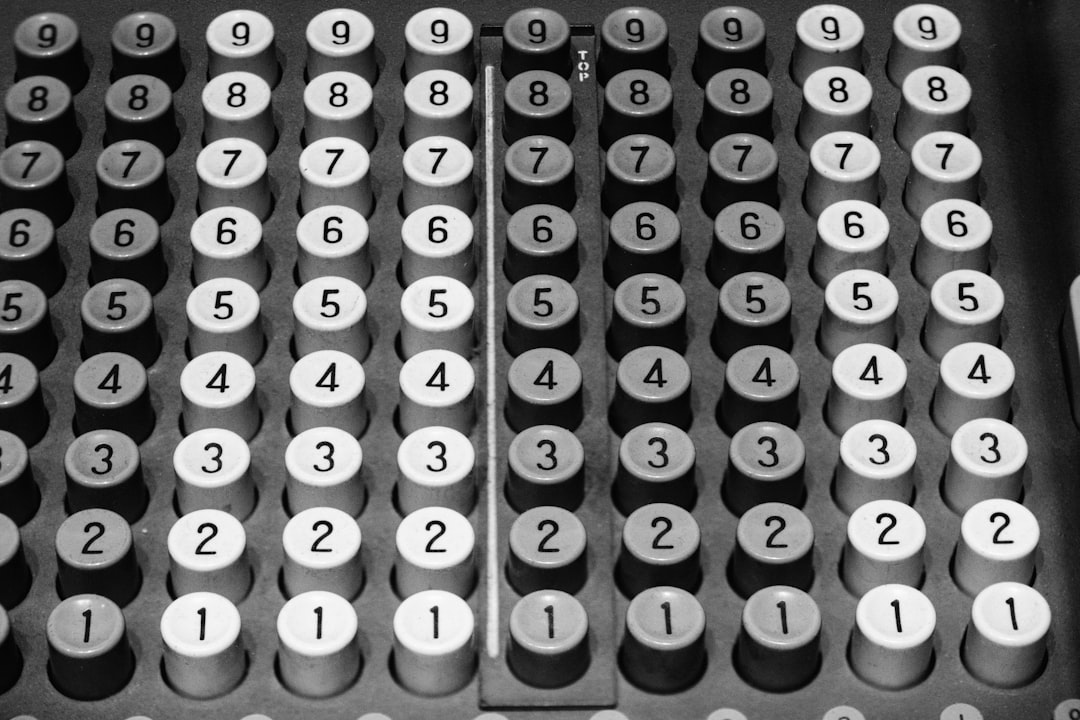
Introduction to Working Memory and the 7 ± 2 Rule
When we talk about working memory IQ, we refer to a critical cognitive function that allows us to temporarily hold and manipulate information. This capacity is essential for everyday tasks like problem-solving, reasoning, and learning. One of the most famous principles related to working memory is the 7 ± 2 rule, which suggests that the average person can hold about 5 to 9 items in their working memory at once. Understanding this rule is fundamental for grasping how cognitive load impacts our mental performance.
The concept of working memory is not just academic; it has practical implications for education, professional tasks, and even IQ testing. This article will explore the nuances of the 7 ± 2 rule, how it relates to memory span, cognitive load, and how memory tests can help assess this vital cognitive ability. By the end, you’ll have a deeper appreciation of your own working memory capacity and how it influences your intelligence profile.
Key Insight: The 7 ± 2 rule is a cornerstone of cognitive psychology, illustrating the limits of our mental workspace and shaping how we design memory tests and cognitive challenges.
What is Working Memory IQ and Why Does It Matter?
Working memory IQ refers to the measure of an individual's capacity to hold and manipulate information over short periods. Unlike long-term memory, working memory is about active processing and temporary storage. This makes it a crucial component of general intelligence, as it underpins reasoning, comprehension, and learning new information. The effectiveness of working memory often correlates with higher IQ scores because it reflects how well a person can juggle multiple pieces of information simultaneously.
The mechanism behind working memory involves several brain regions, including the prefrontal cortex, which coordinates attention and executive functions. When you try to solve a math problem in your head or remember a phone number just long enough to dial it, you are engaging your working memory. Its capacity is limited, which is why the 7 ± 2 rule is so influential in cognitive psychology.
For example, if you are given a list of random digits to recall immediately, most people can remember between 5 and 9 digits. This limitation affects how we process complex information and manage cognitive load during tasks. Enhancing working memory can improve learning outcomes, problem-solving skills, and overall cognitive performance.
Practical Application: Improving your working memory IQ through targeted exercises can help you perform better on tasks requiring concentration and mental juggling, such as taking our timed IQ test or engaging in challenging cognitive activities.
Understanding working memory IQ also helps in designing better educational tools and cognitive assessments. Many IQ tests include sections that specifically evaluate working memory, such as digit span or letter-number sequencing tasks. These tests provide insights into how well an individual can manage information under pressure, which is vital for academic and professional success.
Exploring the 7 ± 2 Rule: Origins and Cognitive Implications
The 7 ± 2 rule was first proposed by cognitive psychologist George A. Miller, who observed that most people can hold about seven chunks of information in their working memory, plus or minus two. This finding has been foundational in understanding human cognitive limits and has influenced fields ranging from psychology to user interface design.
The concept of a "chunk" is important here — it refers to grouping individual bits of information into meaningful units. For example, remembering the sequence "1-9-4-5" as a single chunk (the year 1945) rather than four separate digits can effectively increase your memory span. This chunking strategy is a cognitive tool that helps bypass the strict limitations of working memory capacity.
However, the 7 ± 2 rule is not a rigid law but rather an average estimate. Factors such as age, attention, and familiarity with the material can influence how many chunks a person can hold. For instance, experts in a field can remember more information because they can chunk data more efficiently. This variability highlights the dynamic nature of working memory and its interaction with other cognitive processes.
Common Misconception: Many believe that the 7 ± 2 rule applies to all types of memory, but it specifically describes working memory capacity, not long-term memory storage.
The implications of this rule extend beyond psychology to practical areas like education, where understanding cognitive load helps optimize teaching methods. Overloading working memory with too much information at once can hinder learning, so breaking content into manageable chunks aligns with how our brains naturally process information.
What is Memory Span and How Does It Relate to Working Memory?
Memory span is a measure of how many items an individual can recall in the correct order immediately after presentation. It is often used as a proxy for working memory capacity. The classic digit span test, for example, asks participants to repeat increasingly long sequences of numbers, assessing the limits of their immediate memory.
Memory span tests reveal the practical boundaries of the 7 ± 2 rule. While the average span is around seven items, individual differences can be significant. Some people may recall only five items, while others can manage nine or more, especially with practice or chunking techniques. This variability is important for understanding cognitive strengths and weaknesses.
In IQ testing, memory span tasks are integral because they assess the ability to hold information temporarily while performing mental operations. For example, remembering a sequence of numbers while solving a related problem requires both storage and processing, key aspects of working memory.
Example: In a memory test, you might be asked to remember the sequence "3, 7, 2, 9, 4". Successfully recalling this sequence demonstrates your memory span and working memory efficiency.
Memory span also interacts with other cognitive functions like attention and processing speed. A person with a high memory span can handle more complex tasks without becoming overwhelmed, which often translates to higher performance on IQ assessments and real-world problem-solving.
Understanding Cognitive Load and Its Impact on Working Memory
Cognitive load refers to the total amount of mental effort being used in working memory. Because working memory has limited capacity, managing cognitive load is crucial for effective learning and problem-solving. When cognitive load exceeds working memory capacity, performance declines, leading to errors or incomplete processing.
There are three types of cognitive load:
- Intrinsic load: The inherent difficulty of the material or task.
- Extraneous load: The way information is presented, which can either hinder or help understanding.
- Germane load: The mental effort dedicated to processing and understanding the material.
Balancing these loads is essential. For example, presenting information clearly reduces extraneous load, freeing up working memory for germane processing. This balance is especially important in educational settings and IQ testing, where excessive cognitive load can mask true ability.
Implication: When taking memory tests or IQ assessments, reducing distractions and simplifying instructions can help optimize your working memory performance.
Understanding cognitive load helps explain why some individuals struggle with tasks that seem straightforward. It also informs the design of effective cognitive training programs aimed at expanding working memory capacity or improving chunking strategies.
Managing cognitive load is not only about reducing difficulty but also about structuring information to align with working memory limits. This insight is valuable for anyone looking to improve their cognitive skills or prepare for challenging tests like our practice test.
How Are Memory Tests Designed to Measure Working Memory Capacity?
Memory tests that assess working memory capacity are carefully designed to challenge the brain's ability to hold and manipulate information. Common formats include digit span, letter-number sequencing, and spatial memory tasks. These tests vary in complexity but share the goal of quantifying how many items or chunks a person can actively maintain.
For example, the digit span test presents a sequence of numbers that the participant must recall in order. As the sequences grow longer, the test pushes the limits of working memory. Some tests add complexity by requiring manipulation of the information, such as recalling numbers in reverse order, which engages additional executive functions.
These tests are often included in comprehensive IQ assessments because working memory is a strong predictor of general intelligence. Performance on these tasks correlates with academic achievement, problem-solving skills, and fluid intelligence.
Practical Tip: You can improve your working memory capacity by regularly practicing memory tasks, such as those found in our quick IQ assessment, which offers a convenient way to gauge and train your mental workspace.
Designers of memory tests must also consider cognitive load and avoid overwhelming participants with extraneous information. The goal is to isolate working memory capacity without interference from other cognitive demands. This precision ensures that the test results reflect true memory span rather than confounding factors like anxiety or fatigue.
Strategies to Enhance Working Memory and Overcome the 7 ± 2 Limit
While the 7 ± 2 rule describes an average limitation, there are effective strategies to expand your working memory capacity and improve cognitive performance. One of the most powerful methods is chunking, which groups individual pieces of information into meaningful units, making them easier to remember.
Other techniques include:
- Rehearsal: Repeating information mentally to keep it active in working memory.
- Visualization: Creating mental images to link and organize information.
- Mnemonic devices: Using acronyms or rhymes to facilitate recall.
- Mindfulness and focused attention: Reducing distractions to optimize cognitive resources.
Regular cognitive training exercises also help enhance working memory. These can be found in specialized programs or through online platforms offering memory challenges. For instance, engaging with our timed IQ test can provide a stimulating environment to practice under pressure, boosting both speed and capacity.
Important Note: While training can improve working memory, gains are often task-specific and may not generalize fully to all cognitive domains. Nonetheless, consistent practice leads to noticeable improvements in daily functioning and test performance.
Understanding and applying these strategies can help you manage cognitive load more effectively, enabling you to perform better in academic, professional, and personal contexts.
The Relationship Between Working Memory and Overall IQ Scores
Working memory is a core component of many IQ tests because it reflects the brain’s ability to process and manipulate information actively. Research indicates a strong correlation between working memory capacity and general intelligence, especially fluid intelligence, which involves reasoning and problem-solving in novel situations.
IQ tests often include sections specifically designed to measure working memory, such as digit span or spatial memory tasks. Performance in these areas can significantly influence overall IQ scores. However, IQ is multifaceted, encompassing verbal comprehension, processing speed, and other cognitive abilities beyond working memory.
Understanding this relationship helps clarify why some individuals excel in IQ tests that emphasize working memory, while others may perform better in verbal or reasoning sections. It also underscores the importance of balanced cognitive development for optimal intellectual functioning.
Insight: Improving working memory through exercises and training can contribute to better IQ test performance, but it is just one piece of the intelligence puzzle.
If you want to experience how working memory impacts IQ test results, you can take our full IQ test that evaluates multiple cognitive domains, including working memory, to provide a comprehensive intelligence profile.
Conclusion: Mastering Your Working Memory Challenge
The 7 ± 2 rule remains a fundamental concept in understanding the limits and capabilities of our working memory. Recognizing that most people can hold between five and nine chunks of information at once helps explain why cognitive load management is essential for learning and problem-solving.
By exploring working memory IQ, memory span, cognitive load, and the design of memory tests, you now have a richer understanding of how these elements interact to shape your cognitive performance. Applying strategies like chunking, rehearsal, and focused attention can help you push beyond typical memory limits and improve your mental agility.
Whether you’re preparing for an IQ test or simply want to enhance your cognitive skills, practicing with targeted assessments such as our practice test or quick IQ assessment can provide valuable feedback and training opportunities.
Final Thought: Working memory is not a fixed trait but a dynamic skill that can be developed. Embrace the challenge and unlock your cognitive potential!
For a comprehensive evaluation of your cognitive abilities, consider taking our full IQ test or a timed IQ test to see how your working memory stacks up within your overall intelligence profile.
References embedded throughout the article include the intelligence quotient, working memory, cognitive load theory, and cognitive ability pages.
Pertanyaan yang Sering Diajukan
How does age affect working memory capacity according to the 7 ± 2 rule?
Age can influence working memory capacity, with younger adults typically performing closer to the upper limit of the 7 ± 2 range, while older adults may experience a decline in memory span. This decline is due to changes in brain function and processing speed. However, cognitive training and healthy lifestyle choices can help mitigate these effects.
Can practicing memory span tests improve overall IQ scores?
Practicing memory span tests can enhance working memory capacity and related cognitive functions, which may contribute to improved performance on certain IQ test sections. However, overall IQ is multifaceted, so improvements in working memory alone may not drastically change total IQ scores but can support better problem-solving and learning abilities.
What role does chunking play in overcoming working memory limitations?
Chunking helps overcome working memory limitations by grouping individual pieces of information into meaningful units, effectively increasing the amount of information that can be held at once. This strategy leverages prior knowledge and pattern recognition, making it easier to remember complex data within the 7 ± 2 framework.
Why do some people remember more than 9 items despite the 7 ± 2 rule?
Some individuals can remember more than 9 items because the 7 ± 2 rule describes an average capacity, not an absolute limit. Factors such as expertise, effective chunking, and familiarity with the material allow people to extend their memory span beyond typical boundaries. Additionally, individual differences in cognitive abilities contribute to this variability.
How does cognitive load theory influence the design of educational materials?
Cognitive load theory guides educators to design materials that minimize extraneous load and optimize germane load, aligning with working memory capacity limits. By breaking information into manageable chunks and presenting it clearly, educational content becomes easier to process, enhancing learning and retention.
Are working memory tests reliable indicators of general intelligence?
Working memory tests are reliable indicators of certain aspects of intelligence, particularly fluid intelligence and reasoning skills. However, general intelligence encompasses multiple domains, so while working memory is a key component, it should be assessed alongside other cognitive abilities for a comprehensive evaluation.
Penasaran tentang IQ Anda?
Anda dapat mengikuti tes IQ online gratis dan mendapatkan hasil instan.
Ikuti Tes IQ